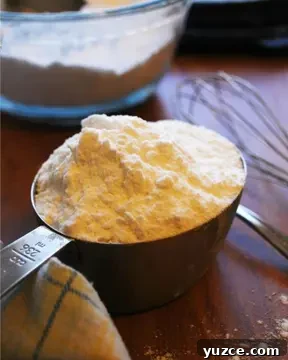
One of the simplest (just three ingredients) and most affordable gluten-free flour blends you can make at home. When prepared in batches, this all-purpose mix works well in most baked goods. I use it as a 1:1 substitute for regular wheat flour with consistently great results.
This post contains affiliate links.
Why I Love This Homemade Gluten-Free Flour Blend
With the baking season approaching, it’s helpful to have a reliable, allergy-friendly, all-purpose gluten-free flour on hand. Gluten-free baking has improved a lot over the years, and this simple blend gives moist, non-gritty results in bars, brownies, cookies and cakes. It’s versatile enough that I measure it 1:1 in place of wheat flour—if a recipe calls for 1 cup of flour, I use 1 cup of this blend.
I regularly serve these baked goods to people who eat gluten and often hear, “THAT’S gluten-free?” which tells me the blend really delivers.
Why Making Your Own Gluten-Free Flour Is Worth It
Making a homemade blend can be more economical and flexible than buying pre-mixed options. Many commercial gluten-free blends contain several ingredients or additives and can be costly. A simple three-ingredient mix reduces waste and lets you keep single ingredients available for recipes that call for a specific flour. I store mine in airtight glass jars to keep them fresh longer.
While there are many specialty flours—sorghum, buckwheat, millet, chickpea, coconut and others—they can be harder to find and more expensive. This blend uses widely available ingredients that are easy to source and work well in everyday baking.
Can You Substitute Brown Rice Flour for White Rice Flour?
Yes. Brown and white rice flours are generally interchangeable in this blend. I usually buy white rice flour because it’s often less expensive, a bit finer in texture and easier to find.
Is It Cheaper to Make Your Own Gluten-Free Flour?
Costs vary by location, brand and whether you buy in bulk. If you purchase individual components and plan to bake regularly, making your own can be cost-effective—especially if you buy potato starch and tapioca starch in larger quantities, since leftovers can be used for future batches. Buying components in bulk stores can reduce the per-batch cost further.
Some people prefer to DIY to avoid additives found in store-bought blends or because they cannot have ingredients like xanthan gum. A three-ingredient blend keeps things simple and allows control over each component.
What Can Replace Flour to Make a Recipe Gluten-Free?
If a recipe calls for flour, you can’t simply omit it or replace it with a single-grain flour and expect the same results. Wheat flour provides structure, so gluten-free baking usually requires a blend of grains and starches to mimic that structure. This three-ingredient mix works well in many recipes, but some baked goods—especially yeast breads—need a more specialized blend or additional ingredients to provide structure and chew.
Why Should Gluten-Free Flours Be Finely Ground?
Finely milled flours produce a smoother texture in baked goods. If flours aren’t well ground, the finished product can feel grainy because unduly large particles remain. Over time you’ll find brands that consistently give the texture and finish you prefer.
Where to Find Ingredients
- Sprouts
- Whole Foods
- Walmart
- Winco
- Smiths
- Maceys
- Natural Grocer
- Amazon
How to Mix Your Gluten-Free Flour Blend
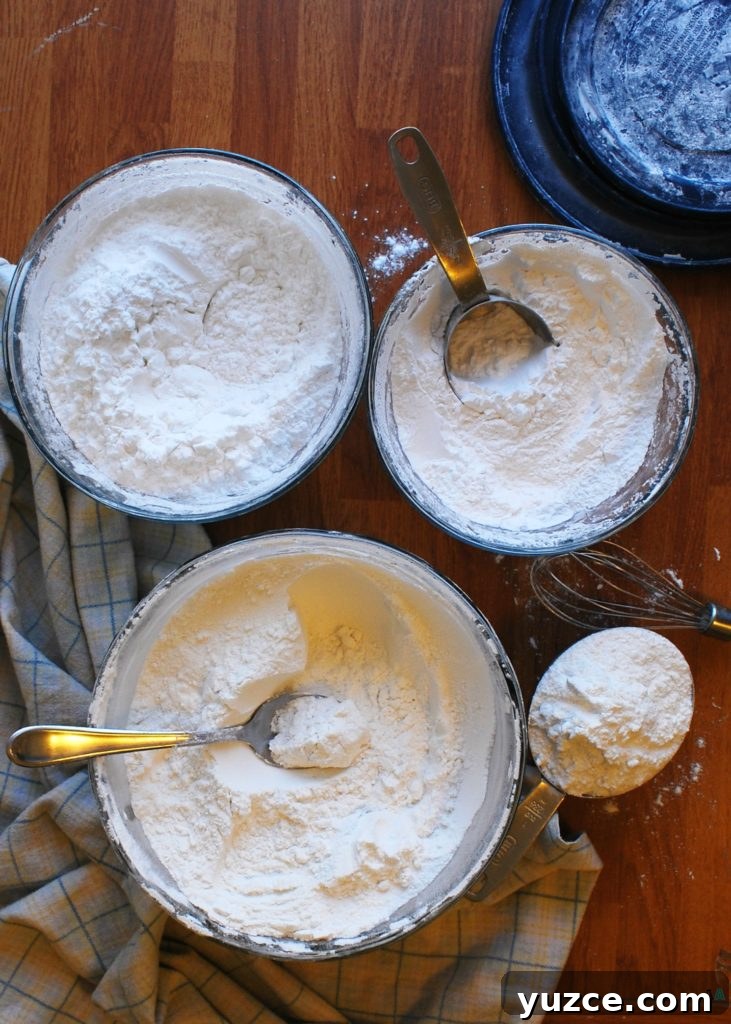
Measure all ingredients into a large bowl, whisk to distribute evenly, then put a lid on the bowl and shake to finish mixing. Tap the container on the counter before opening so any settled flour compresses and you avoid a cloud of dust. Re-shake or re-whisk before use if it’s been stored for a while.
How Do You Measure Gluten-Free Flour?
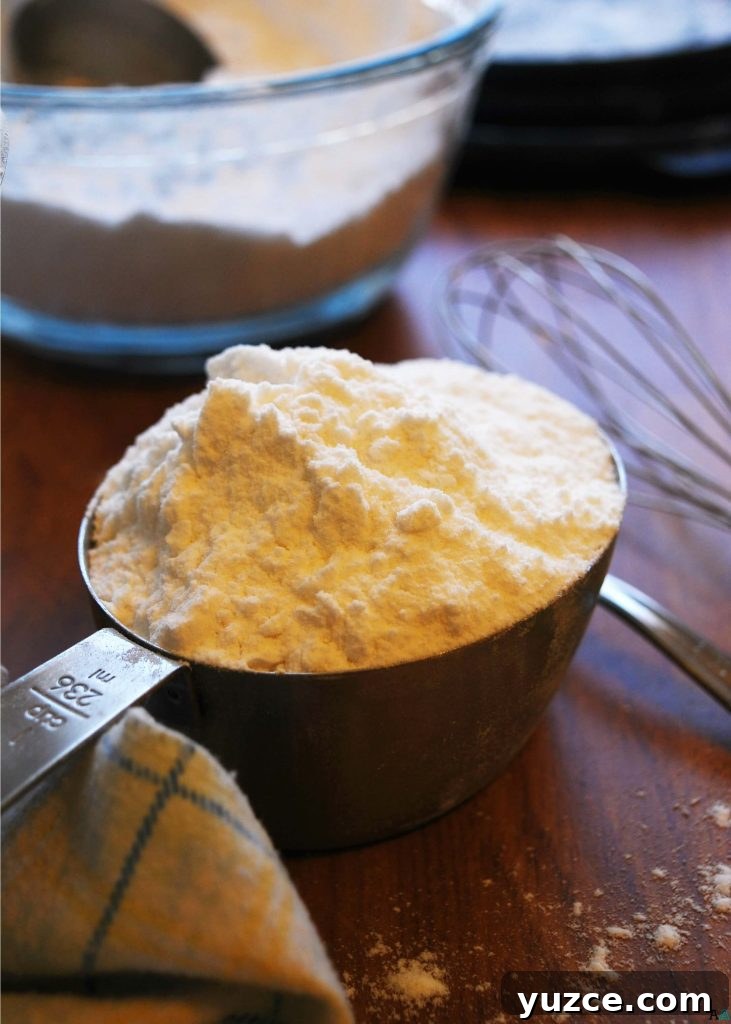
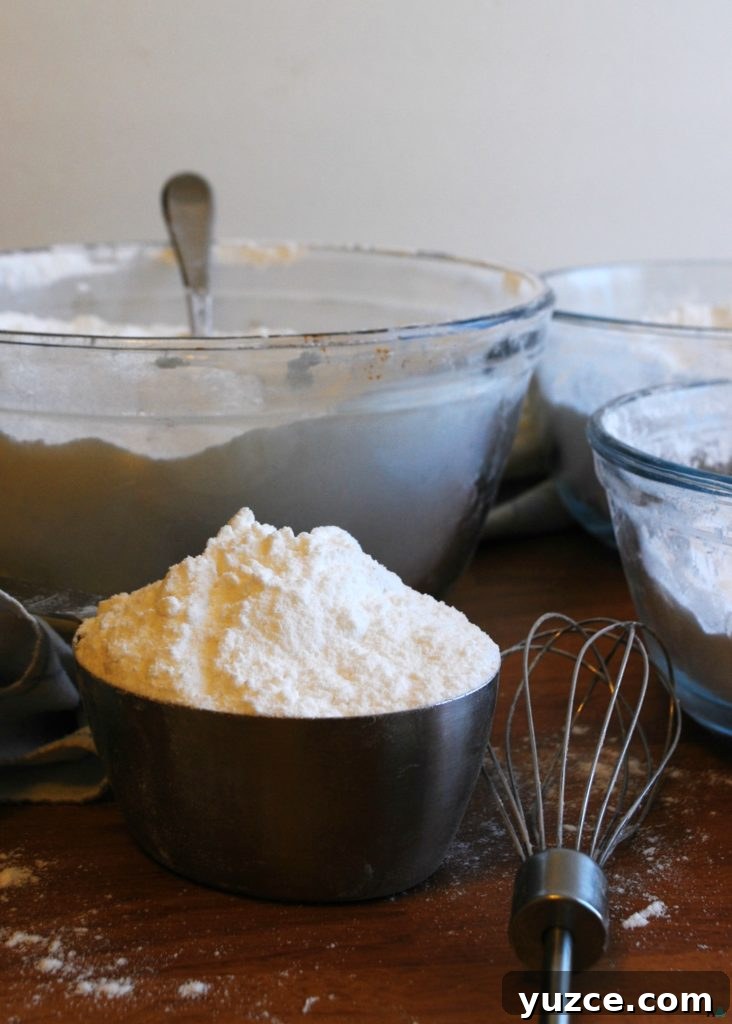
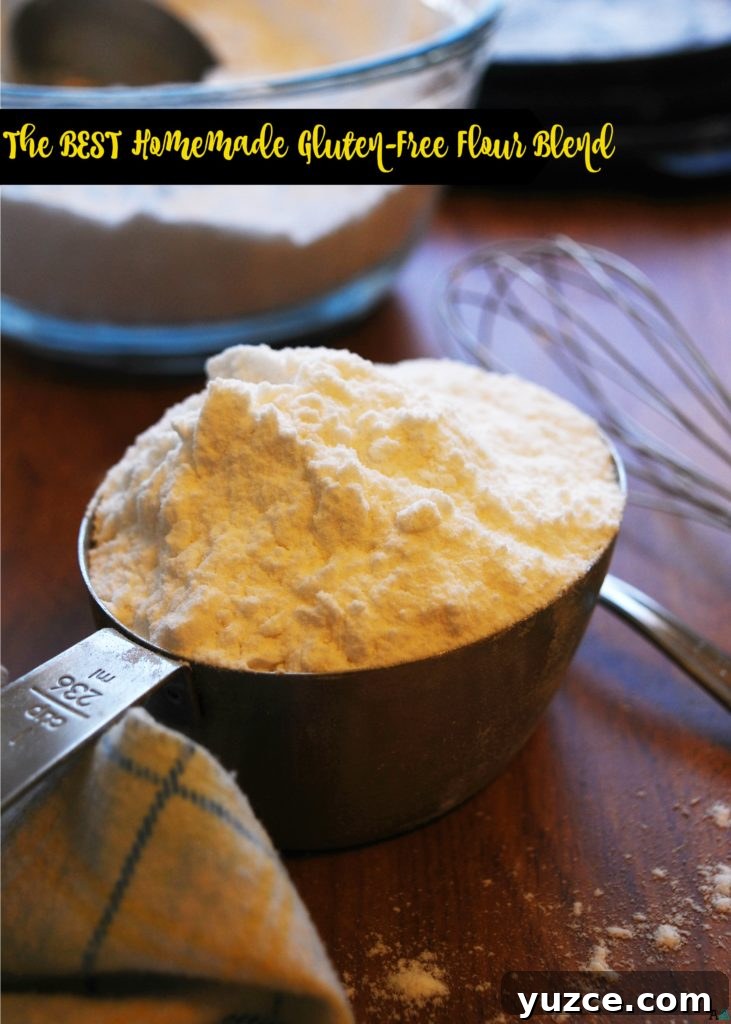
Use a large spoon to gently spoon flour into the measuring cup until it’s overflowing, then level it with the back of a knife. Do not scoop or pack the flour, as that changes the weight and can affect texture and rise.
I hope this helps you enjoy baking your favorites again.
Note: Gluten-free flour doesn’t rise the same way as wheat flour. Many recipes call for xanthan gum to provide structure and loft. If your recipe doesn’t include it, a general guideline is about 1 teaspoon xanthan gum per 1 cup of gluten-free flour, but amounts can vary by recipe.
Ingredients for This Gluten-Free Flour Blend
This blend requires only three ingredients:
- White rice flour (or brown rice flour)
- Potato starch (not potato flour)
- Tapioca flour/starch
Are Potato Starch and Potato Flour the Same?
No. Potato starch and potato flour are different products and are not interchangeable in this blend.
Is Tapioca Flour the Same as Tapioca Starch?
Yes. Tapioca flour and tapioca starch are commonly used interchangeably.
What Not to Make with This Blend
This blend is excellent for pancakes, muffins, brownies, bars, cakes and cookies, but it’s not ideal for yeast breads or recipes that need more structural ingredients. For yeast breads and other specialized loaves, use a recipe or blend formulated specifically for bread baking.
What You Can Make with This Flour
Use this blend in many favorite gluten-free recipes such as brownies, cupcakes, sheet cakes, donuts, muffins and sugar cookies. It performs especially well in baked goods that don’t rely on yeast for rise.
Frequently Asked Questions
How should I store homemade gluten-free flour so it stays fresh?
Store the mix in an airtight container or glass jar in a cool, dry place. If your kitchen is warm or humid, keep it in the refrigerator. Properly sealed, the mix will stay fresh for several months. Whisk or shake before using.
Can I use this mix for bread or yeast recipes?
This three-ingredient mix is ideal for quick breads, cakes, muffins and cookies, but not for yeast-based breads. Yeast breads usually require blends with additional structure and protein; follow a recipe specifically developed for yeast baking for best results.