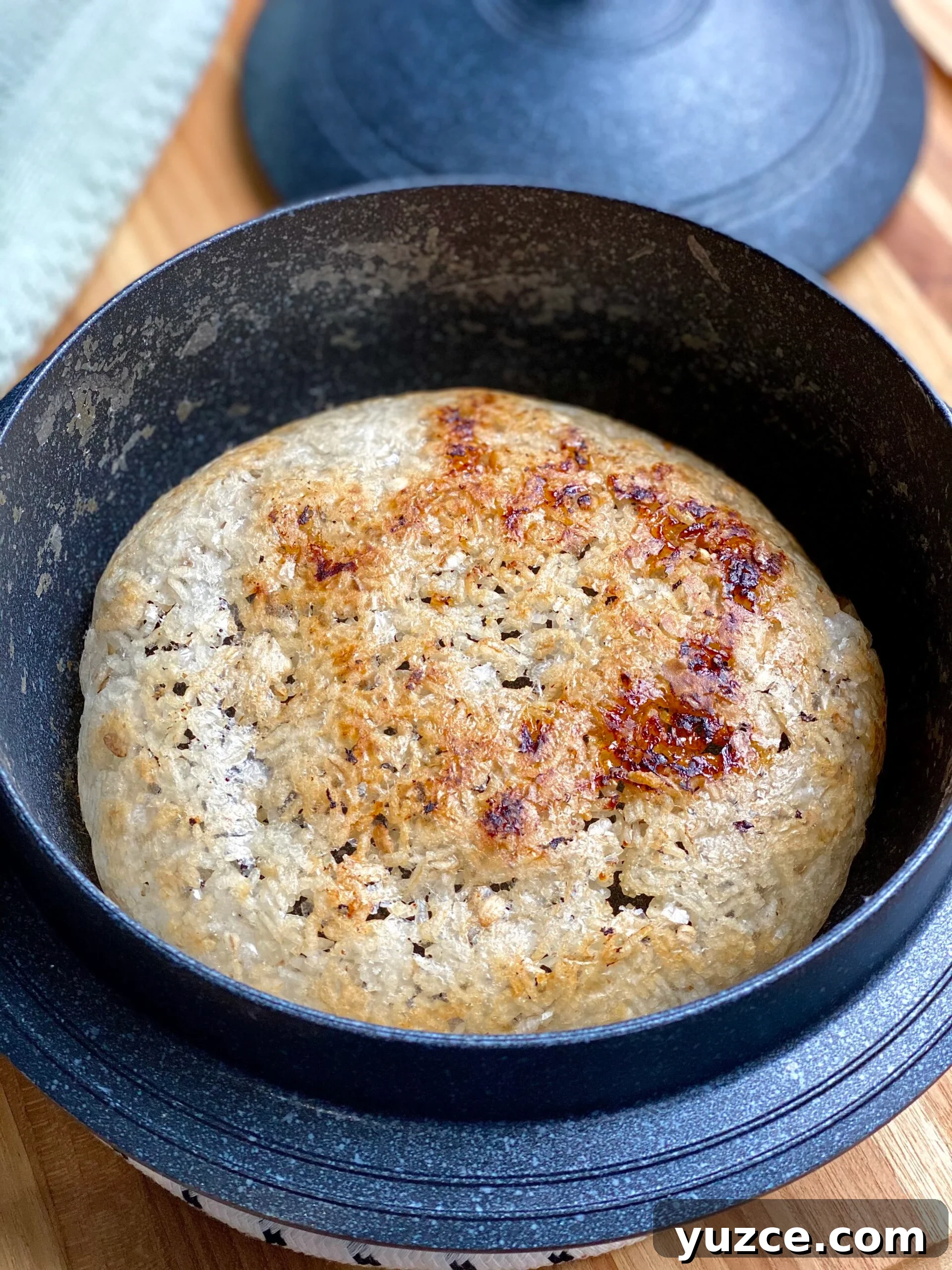
In my last post I shared my steamed rice method using a traditional Korean gamasot (가마솥). Today I’ll show you how I make one of my favorite snacks: nurungji, or scorched rice.
This is where the gamasot really shines. Its marble-coated surface helps the rice release cleanly as it dries and crisps, so the scorched layer pops out easily once it’s done.
You can make nurungji without a marble-coated pot, but it may take more trial and error. I’ve achieved similar results with a heavy-bottomed stainless steel saucepan by cooking on very low heat, uncovered, for 10–20 minutes. The key is low, even heat.
If you’re wondering how to pronounce nurungji, it’s roughly “noo-roong-ji.”
Where to purchase
*UPDATE* The exact pot I used is no longer available, which is a bummer. I searched widely and couldn’t find the same model. Kitchenart still makes gamasot pots, but they’re mostly sold at Korean home stores.
I use the Kitchenart Gamasot Pot made in Korea. It has marble coating on both sides, which makes cleanup easy because the rice rarely sticks. I prefer the 20 cm size — it’s just right for a family of five.
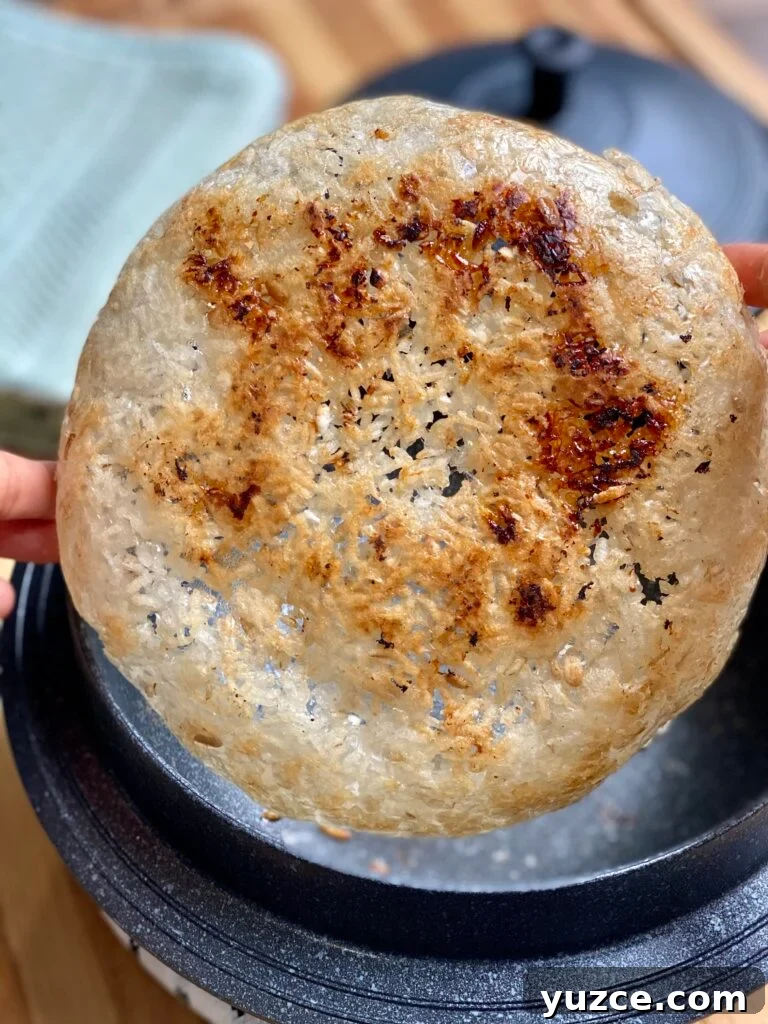
How to make nurungji
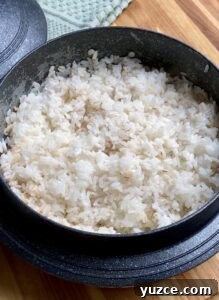
Nurungji starts with cooked rice. You don’t necessarily have to cook the rice right before making nurungji, but you do need cooked rice to begin. Below I describe my method after making a fresh pot of steamed rice, though you can adapt these steps if you already have leftover rice.
I make nurungji almost every day because I cook rice almost every day.
Cooking Method
To make the rice:
- Rinse the rice 3–4 times, or until the water runs clear. Removing excess starch prevents gummy rice.
- Soak the rice in water for 30 minutes. Soaking shortens cooking time and preserves aroma—overcooking reduces fragrance, so soaking first is helpful.
- After soaking, cook the rice covered for exactly 20 minutes on medium-low heat. Turn off the heat and leave it untouched for 5 minutes.
To make the nurungji:
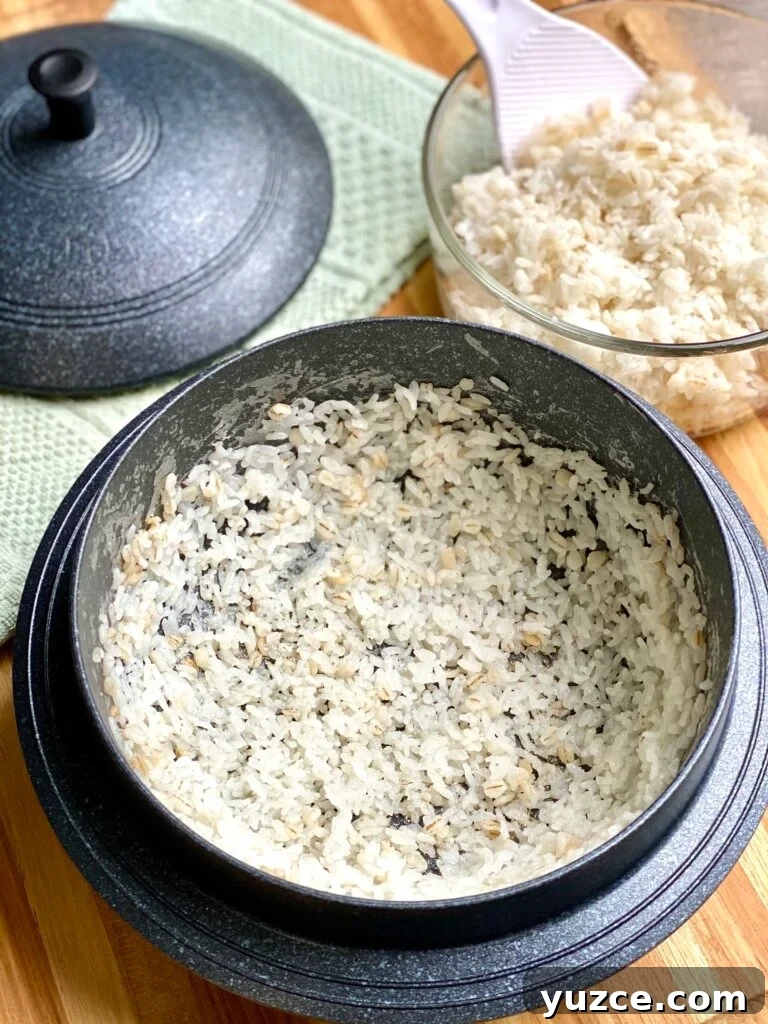
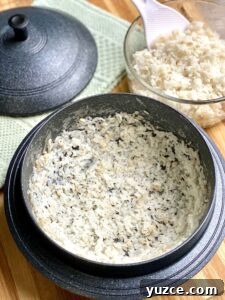
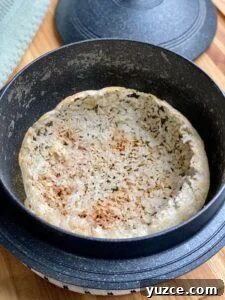
- After the 5-minute rest, uncover and gently fluff the rice with a rice paddle. Scoop the rice out, leaving a thin, even layer stuck to the bottom and sides of the pot. If you prefer a perfect crust, fill any gaps and press lightly to even the surface.
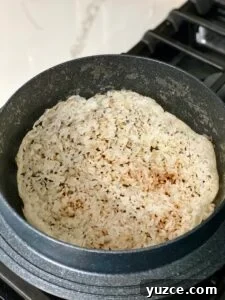
- Return the pot to the stove, uncovered, on very low heat for 10–20 minutes. Exact time depends on your pot and stove. With my gamasot it takes about 15 minutes.
- Set a timer if you’re using a different pot. Gamasot-style pots distribute heat evenly and are forgiving; other pots may require more monitoring. The nurungji is ready when it starts to pull away from the pot and lifts cleanly.
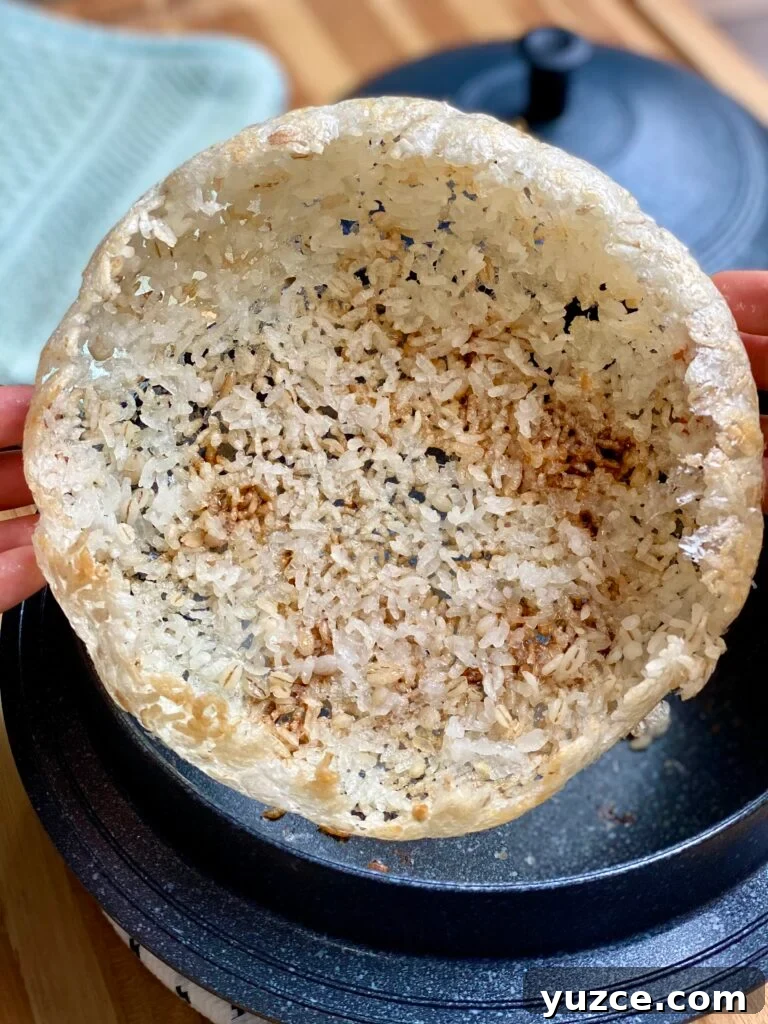
What does nurungji taste like? What is the point of scorching it?
People often ask what nurungji tastes like. A simple comparison is toasted bread: toasting changes both texture and flavor, giving a toasty, slightly caramelized note. Scorched rice has a similar effect—crunchy texture with a toasty, mildly charred aroma that’s very satisfying.
Other ways to enjoy nurungji
You don’t have to cook the rice until it’s completely crunchy. Leaving about half of the layer scorched keeps some soft grains, which I sometimes prefer. That version is also used to make sungnyung (숭늉), scorched rice tea.
Sungnyung is made by pouring hot water (or tea such as boricha, barley tea) into the pot after removing most of the rice, then letting the scorched layer steep for a few minutes. I like sungnyung iced and often enjoy it with kimchi or jeotgal (salted seafood). It’s a classic, simple comfort pairing.
Another popular option is to add sugar. You can sprinkle sugar over the thin rice layer before toasting, then enjoy the sweetened nurungji as-is, or deep-fry the sweetened pieces for an extra crispy treat—my mom used to make it that way.
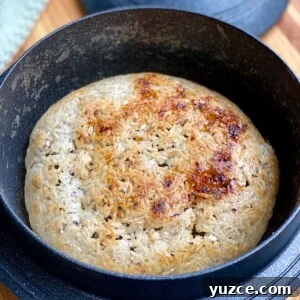
Nurungji 누룽지 (Scorched Rice)
30
Ingredients
- 1 pot cooked rice
Optional Ingredients
- sugar
- water
- boricha (barley tea)
Instructions
-
Make a pot of steamed rice using your preferred method.

-
After fluffing the rice, remove most of it from the pot but leave a thin layer clinging to the outer edge. Fill any gaps and press lightly so the layer is even. Optional: sprinkle sugar for a sweet version.
-
Return the pot to the stove on very low heat, uncovered, for 10–20 minutes. Start with 10 minutes and monitor closely—times vary by pot and stove. When the nurungji begins to release from the pot and slides easily, it’s ready. You can remove it at that point for a softer texture or continue until it’s fully crunchy. To make sungnyung, turn off the heat and add hot water or barley tea to steep for a few minutes.
-
When the nurungji is completely dry and the edges curl in, it should lift out easily. Serve immediately or store in an airtight bag for up to a week.
Nutrition information is approximate.