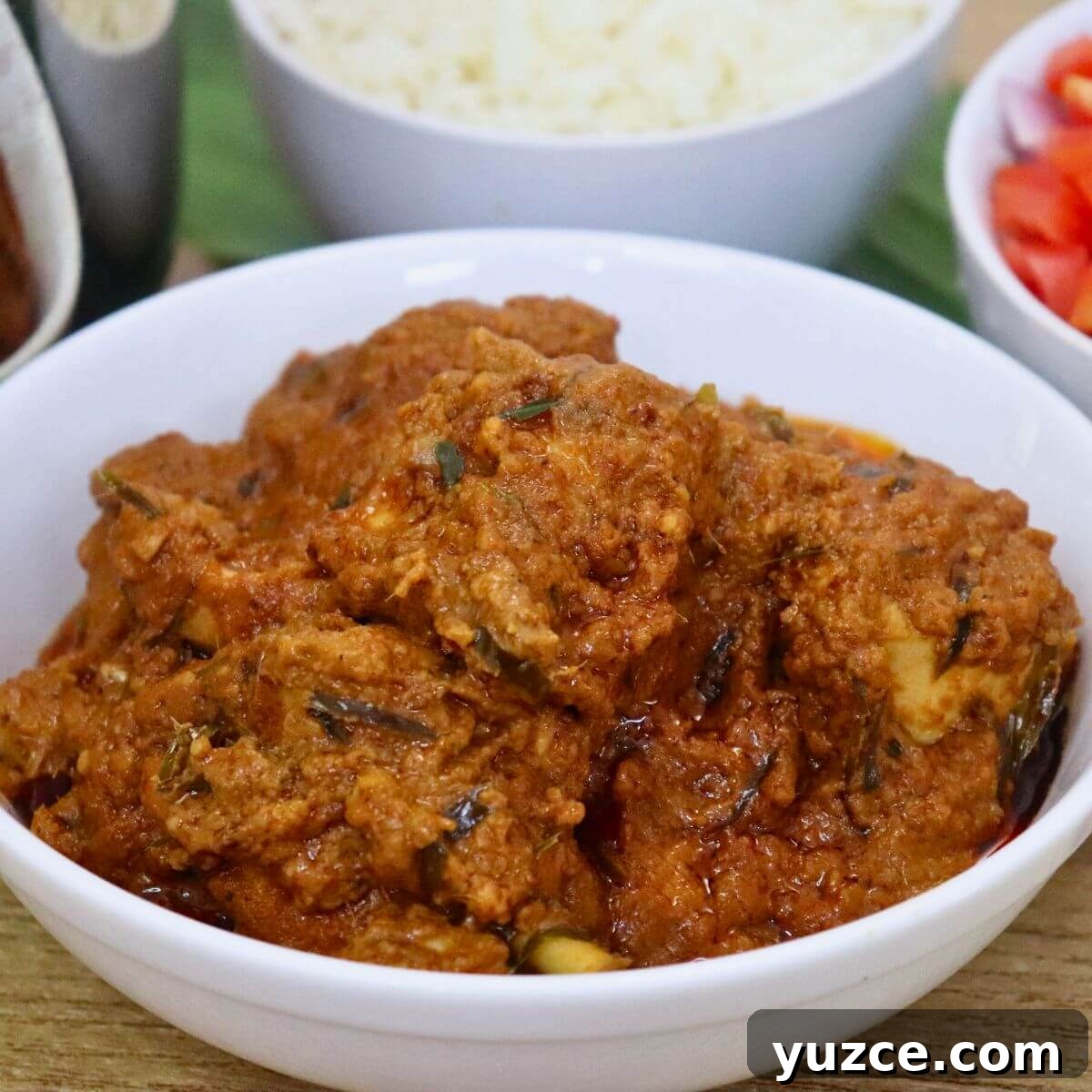
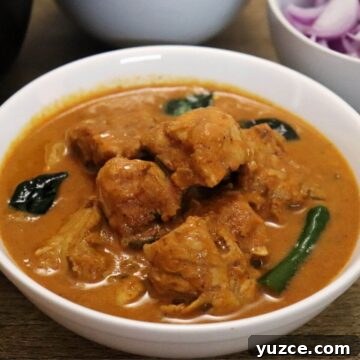
This authentic Chicken Rendang recipe captures the rich, aromatic flavors of Malaysian and Indonesian cuisine. Known as Rendang Ayam, this dish features chicken slow-cooked in coconut milk and a fragrant spice blend until tender and richly coated. Traditionally served with Nasi Lemak (fragrant coconut rice), it also pairs wonderfully with steamed rice or naan. Below is a clear, natural guide to making Malaysian chicken rendang, including notes on ingredients, kerisik, and step-by-step instructions with photos.
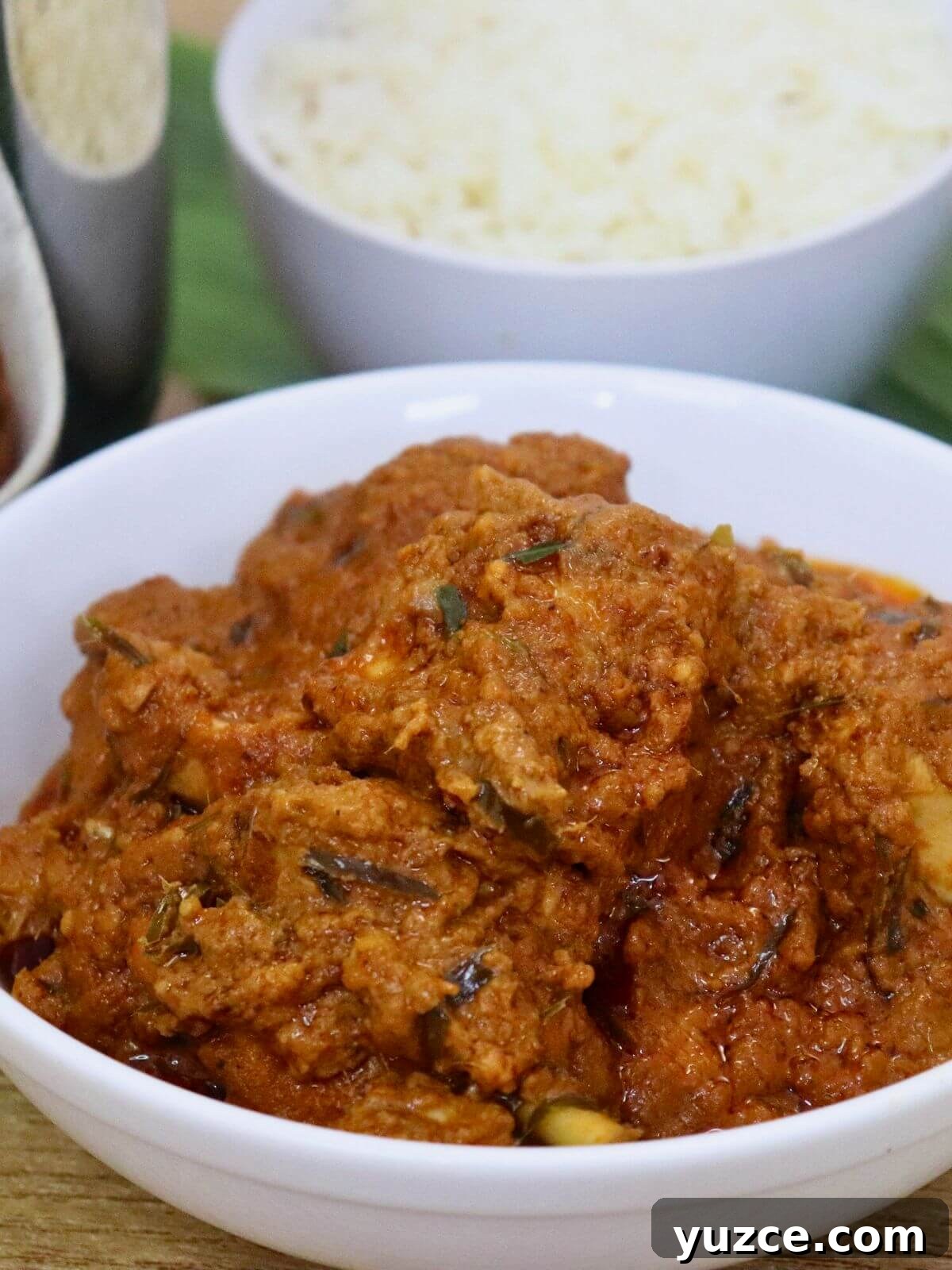
I first tasted chicken rendang in Malaysia and was struck by its deep, complex flavors. Rendang ayam is straightforward to prepare but rewards patience: the chicken becomes meltingly tender as it simmers in coconut milk and spices. Unlike wetter curries, rendang develops a thicker, semi-dry consistency that clings to the meat, resulting in a concentrated, flavorful coating.
About This Rendang Ayam Recipe
This post explains how to make Malaysian Chicken Rendang from scratch. It details ingredient prep, making the spice paste, and preparing kerisik (toasted, pounded coconut) which adds a distinctive nutty depth and helps thicken the sauce. “Ayam” means “chicken” in both Indonesian and Malay. While traditional rendang is often made with beef, chicken rendang is a delicious and lighter alternative that still delivers the classic aroma and spice profile.
The key to great rendang is slow cooking: allow the chicken to simmer gently in coconut milk and spices until the liquid reduces and the flavors concentrate. Rendang works beautifully with rice, and the cooked chicken can also be used as a filling for wraps or sandwiches.
Ingredients Notes
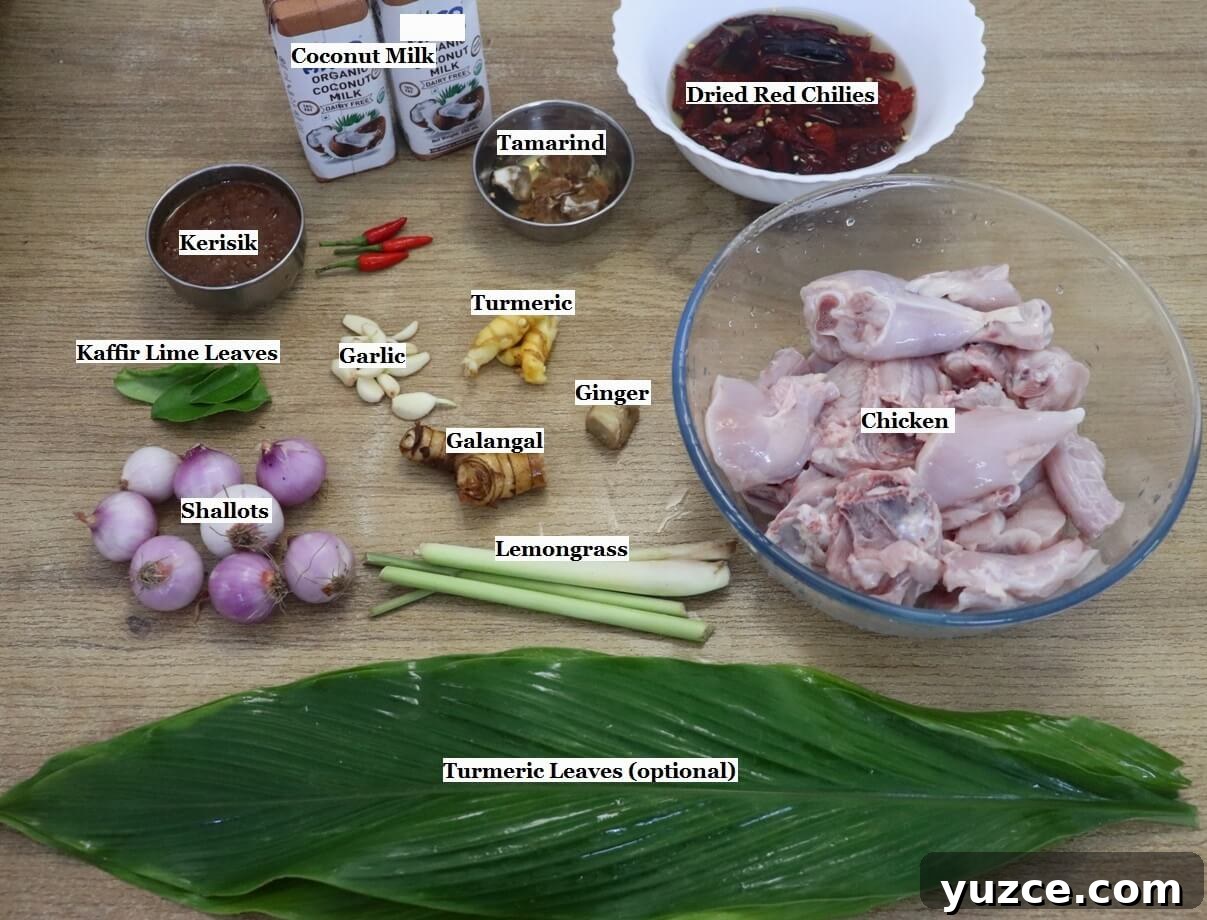
The heart of rendang is its spice paste. A balanced paste of dried red chilies, shallots, turmeric, galangal, lemongrass, ginger, and garlic creates the base. Fresh turmeric leaves and kaffir lime leaves add fragrance, while tamarind and jaggery balance tang and sweetness. Kerisik—made from toasted grated coconut—adds a nutty, slightly smoky note and thickens the sauce.
For the spice paste
- Red chilies: Kashmiri dried chilies give color and mild heat; add extra spicy chilies if you prefer more heat.
- Shallots: Provide subtle sweetness and depth; 2 large onions can be substituted.
- Galangal: A citrusy, pine-scented root essential to traditional rendang.
- Turmeric: Fresh turmeric is ideal; ½ teaspoon turmeric powder works as a substitute.
- Ginger and Garlic: Basic aromatics that round out the paste.
- Lemongrass: Adds a bright, citrus aroma that balances the richness of coconut milk.
For the chicken rendang
- Oil: Coconut oil is traditional, but any neutral, high-heat oil works.
- Whole spices: Green cardamom, cinnamon, star anise, and cloves enhance the curry’s aroma.
- Chicken (curry cut): Bone-in pieces give best flavor and texture.
- Kaffir lime leaves and turmeric leaf (or additional kaffir leaves) for fragrance.
- Coconut milk: Use full-fat for creaminess and reduced risk of curdling.
- Jaggery (or sugar): Adds a touch of sweetness to balance sour and spicy notes.
- Tamarind pulp: Adds tang to balance richness.
- Kerisik: Toasted, pounded coconut that thickens and flavors the curry; you can make it at home or buy it ready-made.
How to Make Chicken Rendang (Step by Step)
Preparations
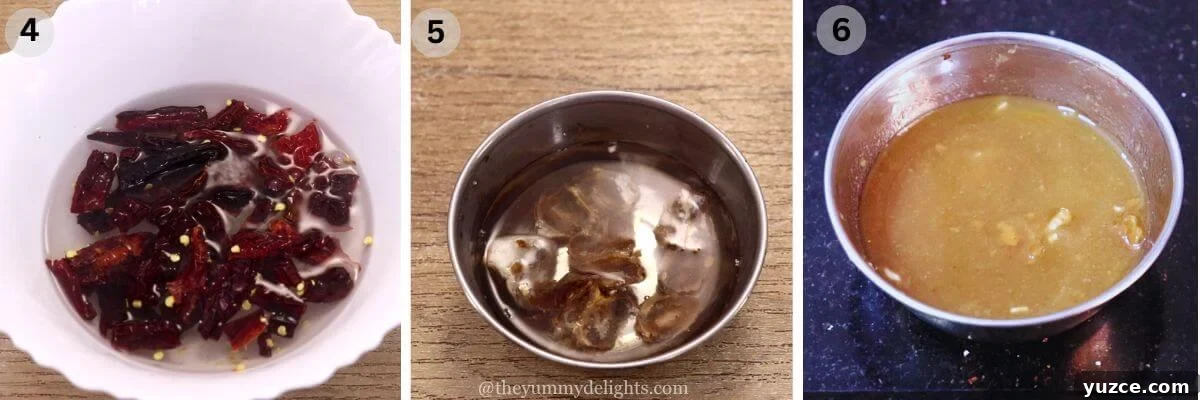
1) Soak red chilies: Deseed dried chilies to reduce heat, cut into pieces, and soak in hot water for 15–30 minutes.
2) Soak tamarind: Soak a tightly packed tablespoon of tamarind in hot water for 15 minutes, then squeeze to extract the pulp and discard seeds.
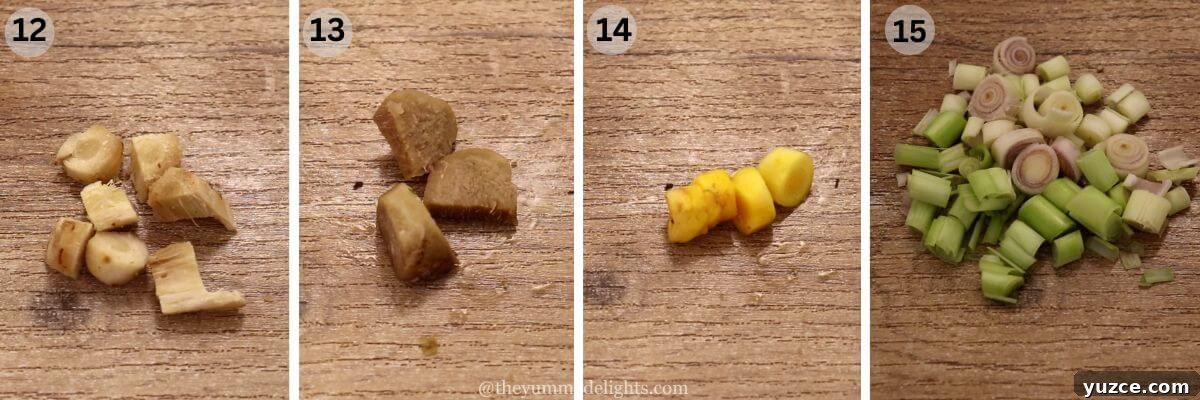
3) Prep aromatics: Slice turmeric and kaffir lime leaves into thin strips, quarter the shallots, peel and chop galangal and ginger, and trim lemongrass.
Making Kerisik
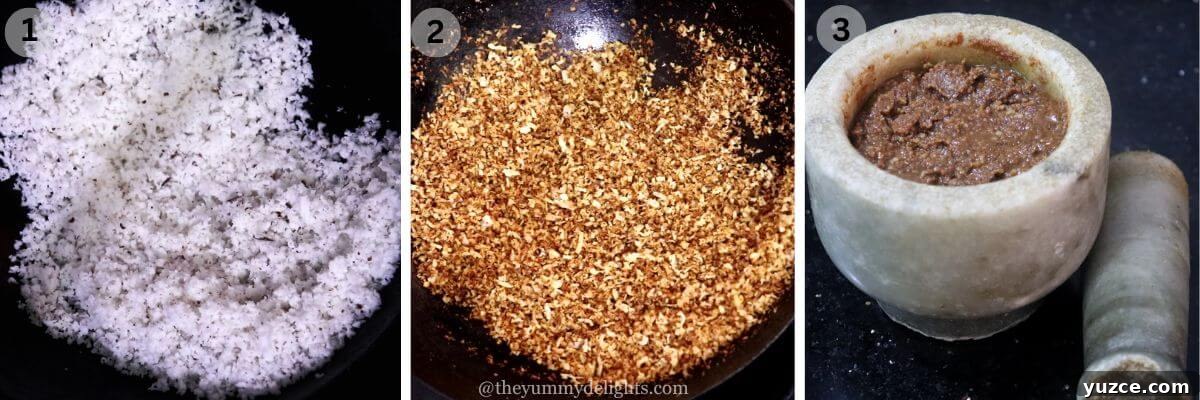
1) Roast the coconut: Toast freshly scraped or desiccated coconut in a deep pan over medium heat, stirring constantly until evenly golden brown. Transfer to a plate to cool slightly.
2) Pound the coconut: Using a mortar and pestle, pound the toasted coconut until grainy and the oil begins to release. Avoid blending into a smooth oily paste. Store kerisik in an airtight container in the fridge.
Making the spice paste
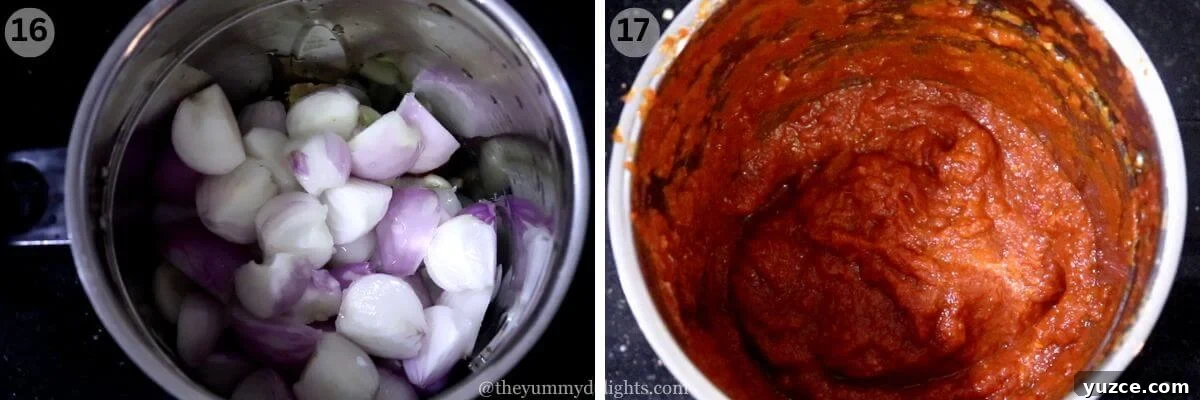
Place soaked chilies, optional hot chilies, galangal, lemongrass, ginger, garlic, turmeric, and shallots in a blender with a little water and grind to a smooth paste.
Cooking the Rendang
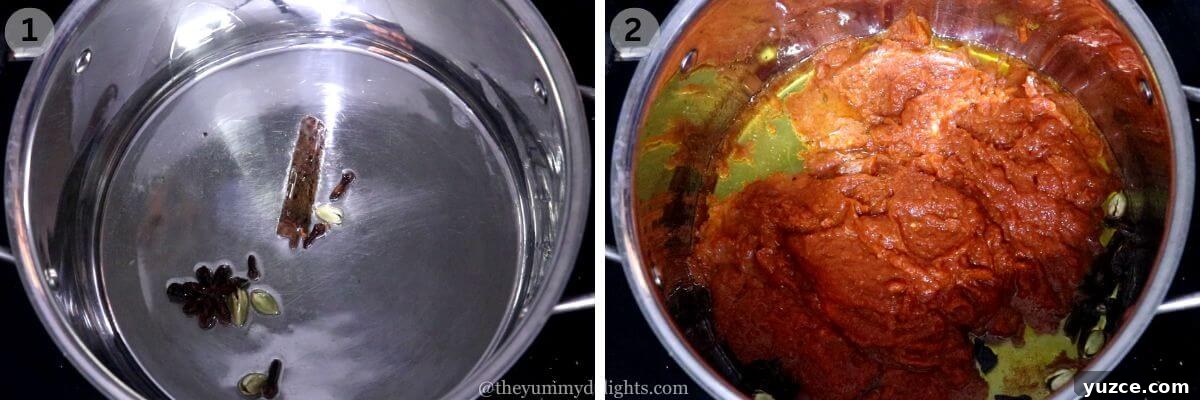
1) Heat ¼ cup oil over medium heat. Add green cardamoms (slightly crushed), cinnamon, cloves, and star anise and sauté briefly. Add the spice paste and cook, stirring constantly, until the paste begins to release oil from the edges.
2) Add the chicken and salt, and stir to coat the pieces in the masala. Stir-fry the chicken for about 5 minutes.
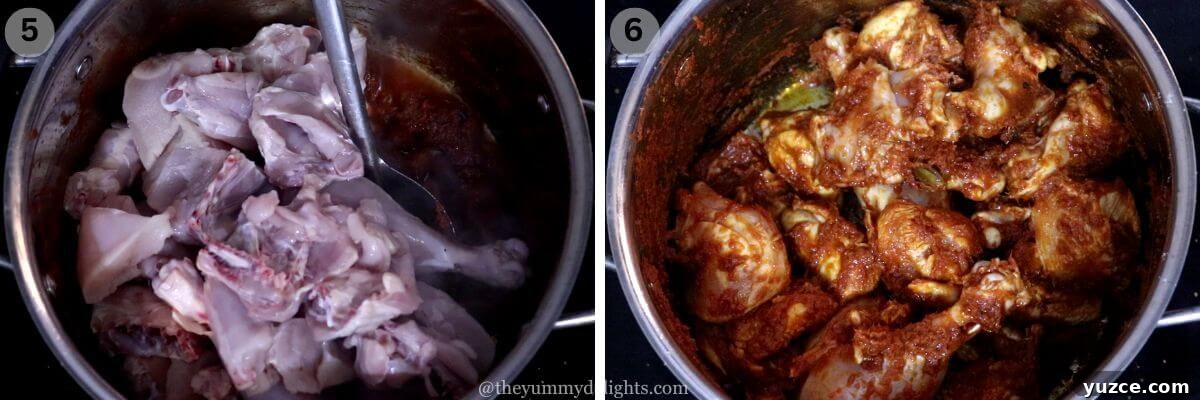
3) Add lemongrass stalk, turmeric leaves, and kaffir lime leaves; sauté for a minute. Pour in coconut milk, then add jaggery, tamarind pulp, and 2–3 tablespoons of kerisik.
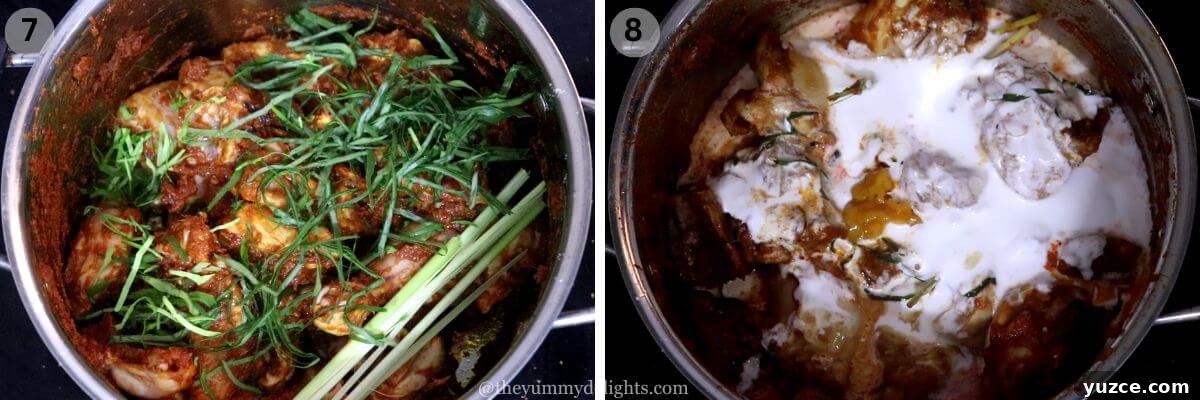
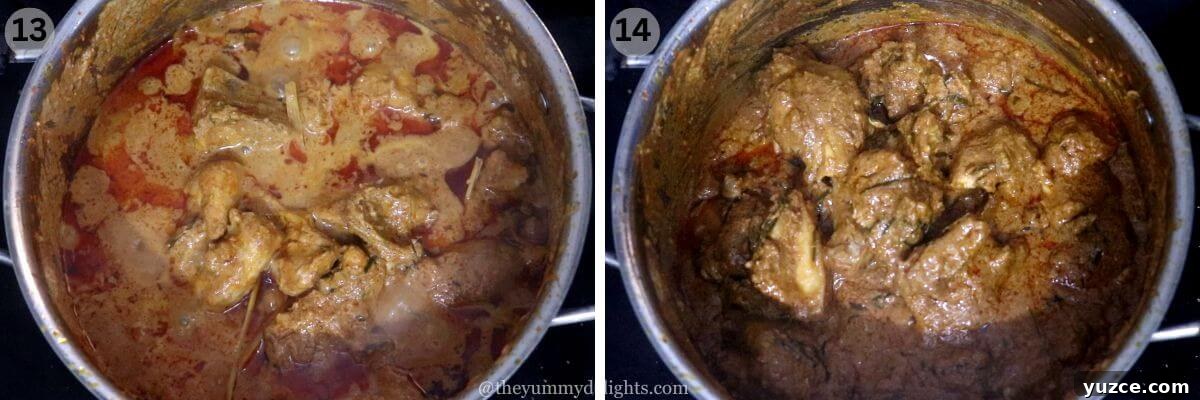
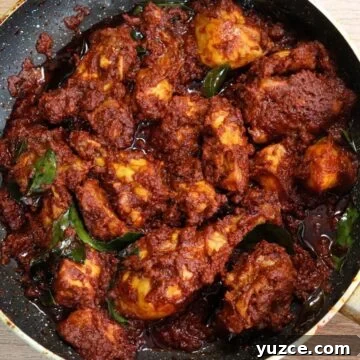
4) Cover and cook over medium-low heat until the chicken is tender. Uncover, skim excess oil from the surface, and taste to adjust salt, jaggery, or tamarind as needed. Simmer uncovered on low heat until most moisture evaporates and the sauce thickens to your preferred consistency; rendang is traditionally thicker with less gravy. I prefer a slightly saucy rendition, so I stop when a little curry remains coating the chicken.
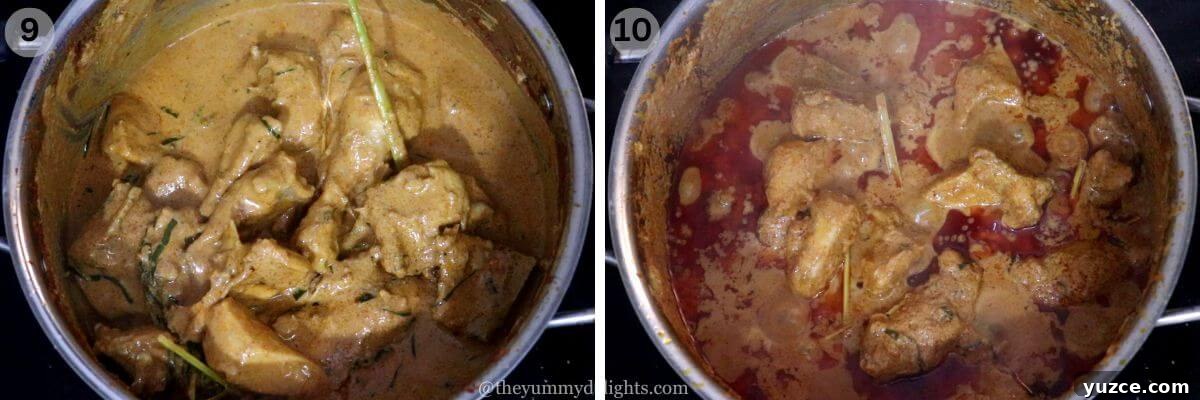
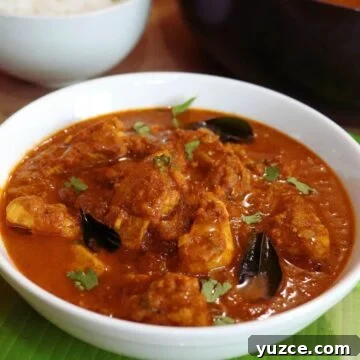
5) Once the sauce has reduced and flavors are concentrated, remove from heat. Rendang Ayam is ready to serve. Garnish if desired and serve with Nasi Lemak, steamed rice, or naan.
Tips to Make the Best Chicken Rendang
- Use full-fat coconut milk for a richer texture and lower risk of curdling.
- Cook slowly on low heat so the flavours meld and the chicken becomes tender.
- Simmer until reduced — rendang is meant to have a concentrated, thick sauce rather than a looser curry.
- Stir frequently to prevent the paste from sticking or burning and to ensure even cooking.
Other Chicken Recipes to Try
-
Ceylon Chicken Curry
-
Mangalorean Chicken Ghee Roast
-
Madras Chicken Curry
-
Hyderabadi Chicken Korma
Recipe Card
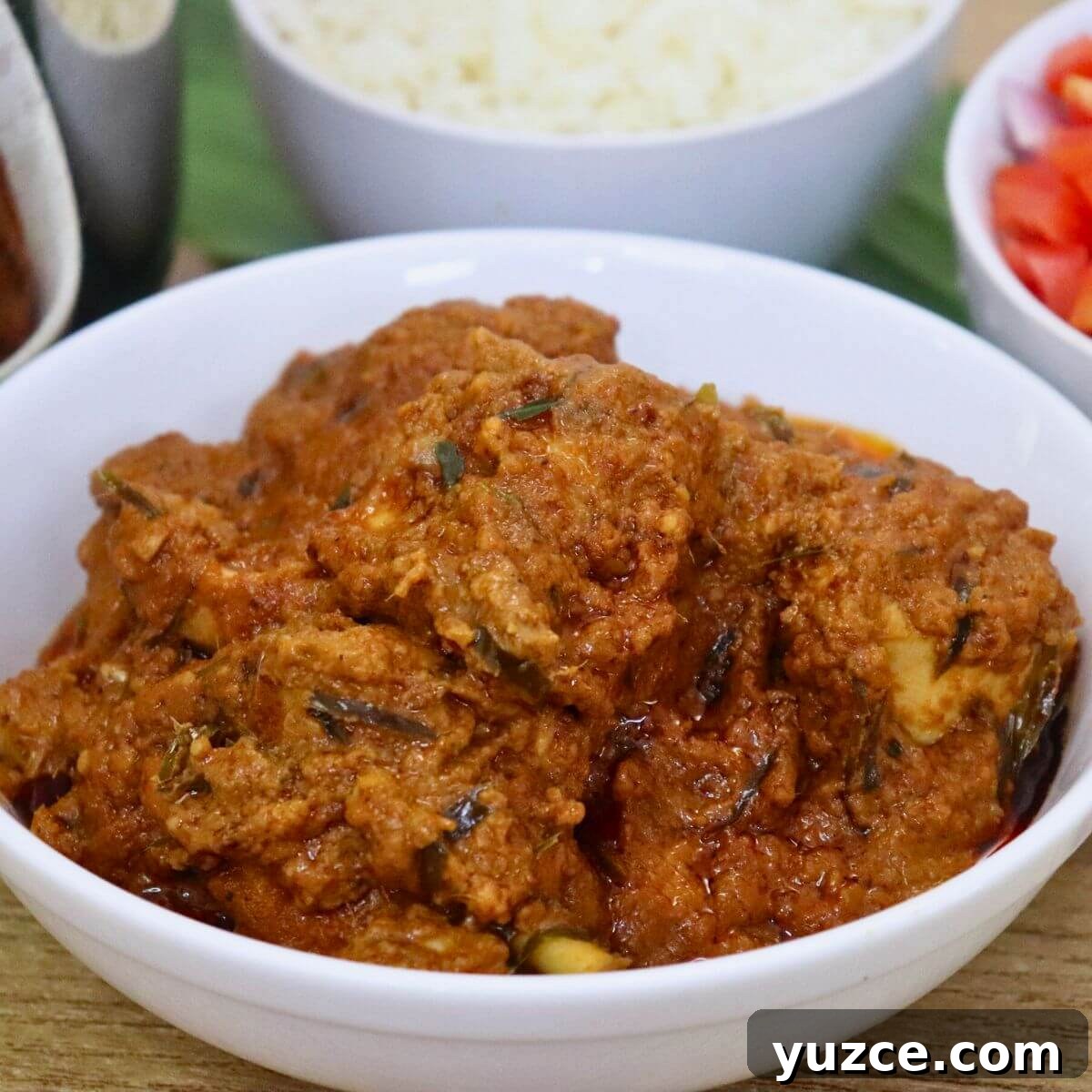
Authentic Chicken Rendang Recipe (Rendang Ayam)
Video
Ingredients
For Kerisik
- 2 cups freshly scraped or desiccated coconut
For the spice paste
- 12 dried red chilies (Kashmiri recommended)
- 1 cup shallots (or 2 large onions)
- 20 g (about 1-inch) galangal
- Small piece of turmeric (or ½ tsp turmeric powder)
- 1-inch ginger
- 2 stalks lemongrass
- Optional: extra spicy red chilies to taste
- 5–6 garlic cloves
For the chicken rendang
- ¼ cup oil
- 4 green cardamoms (slightly crushed)
- 1-inch cinnamon
- 1 star anise
- 4 cloves
- 1 kg chicken, curry cut (bone-in preferred)
- 1 tsp salt
- 5 kaffir lime leaves
- 1 turmeric leaf (or extra kaffir lime leaves)
- 300 ml coconut milk
- 1 tsp jaggery (or sugar)
- 2 tsp tamarind pulp
- 2–3 tbsp kerisik
Instructions
Preparations
- Deseed and soak dried chilies in hot water for 15–30 minutes.
- Soak tamarind in hot water for 15 minutes, then squeeze to extract the pulp.
- Slice turmeric and kaffir lime leaves, quarter shallots, peel and chop galangal and ginger, and prepare lemongrass.
Making Kerisik
- Toast coconut over medium-low heat until golden brown, then cool.
- Pound the toasted coconut in a mortar and pestle until grainy and oil begins to release; store in the fridge.
Making the spice paste
- Blend soaked chilies, galangal, lemongrass, ginger, garlic, turmeric, and shallots with a little water to a smooth paste.
Cooking the rendang
- Heat oil, add whole spices and sauté briefly. Add spice paste and cook until oil separates.
- Add chicken and salt; stir-fry for 5 minutes to coat the pieces in the masala.
- Add lemongrass, turmeric leaf, and kaffir lime leaves and sauté for a minute.
- Pour in coconut milk, then add jaggery, tamarind pulp, and kerisik. Cover and cook on medium-low until the chicken is tender.
- Skim excess oil, adjust seasoning, and simmer uncovered until the sauce reduces to the desired thickness. Serve warm.
Notes
- Use full-fat coconut milk for better texture and flavor.
- Slow cooking on low heat develops deeper flavors and tender meat.
- Rendang is traditionally a thicker, less-saucy curry—simmer until reduced.
- Stir frequently to prevent sticking and ensure even cooking.
Nutrition
Carbs: 13 g |
Protein: 20 g |
Fat: 24 g
Nutrition information is an approximation.