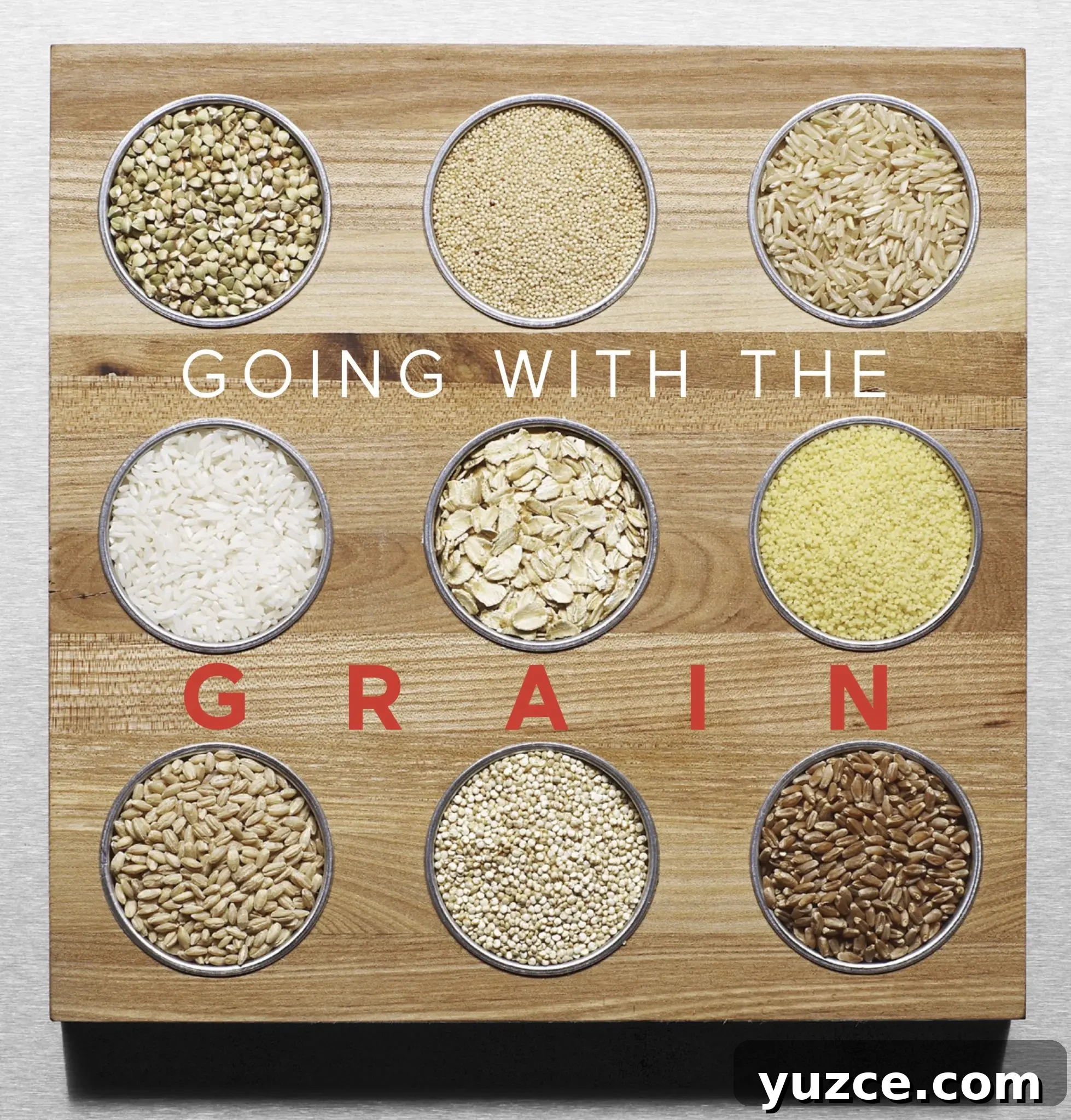
Staying gluten-free involves more than just avoiding wheat, barley, and rye. Nutritional health coach Lani Jacobs-Banner, BS, explains which of the ancient grains now common in stores and restaurants contain gluten and which are safe for a gluten-free diet.
As the parent of a gluten-free family, I’ve learned that label reading and ingredient awareness have become more important as ancient grains have grown in popularity. A few years ago my mother called after preparing a meal with farro for my son. Her friend had told her farro was gluten-free, but my son wisely checked with me before eating. That call mattered: farro is an ancient form of wheat and contains gluten, which would have been harmful for my son.
Some ancient grains now frequently used in cooking are naturally gluten-free and are great options for adding texture and nutrition. Amaranth, buckwheat, millet, quinoa, and teff do not contain gluten and can expand variety in gluten-free meals. However, several other ancient grains are types of wheat or related species and therefore contain gluten. Bulgur, einkorn, emmer (another name for farro), khorasan (often marketed as Kamut), spelt, and freekeh all contain gluten and must be avoided by people on a strict gluten-free diet. Combine those with wheat, barley, rye, and triticale (and any flours made from them) to form the full list of grains to exclude.
Oats are treated differently. While oats themselves are naturally gluten-free, they are commonly contaminated with gluten during harvesting, transport, or storage. Oats also contain a protein similar to gluten that can trigger reactions in some people. For those newly adopting a gluten-free diet, many professionals—including myself—recommend avoiding oats for at least six months. If you decide to reintroduce oats later, monitor any symptoms carefully for several days after eating them to determine whether they are tolerated.
Grains are only part of the story. Processed and prepared foods often contain hidden sources of gluten, so reading labels is essential. Gluten-free labeling can simplify shopping: under FDA rules, products labeled “gluten-free” must contain less than 20 parts per million (ppm) of gluten. A certified seal from organizations such as the Celiac Support Association (CSA) indicates an even stricter threshold—products verified by the CSA contain less than 5 ppm gluten.
If you worry about accidental exposure or cross-contamination, choose products with lower gluten thresholds and look for reputable certification seals when possible. Those extra precautions reduce risk and make it easier to shop with confidence.
After the farro incident, my family has become more informed about ancient grains. We’ve introduced some gluten-free varieties into our meals—buckwheat is a household favorite—and we now recognize which ancient grains must be avoided. With that knowledge and careful attention to ingredient lists and labels, finding safe, gluten-free options is much less stressful.
Sneaky Gluten Sources
Knowing which grains naturally contain gluten is a vital first step, but it’s equally important to be alert for hidden gluten in processed foods. Common ingredients on labels that may contain or be contaminated with gluten include:
› soy sauce
› malt
› rice syrup (may contain barley enzymes)
› bran
› food starch
› modified food starch
› edible starch
› colorings
› dextrin
› hydrolyzed vegetable protein
› monoglycerides and diglycerides
› stabilizers
› processed cheese spreads
› egg substitutes
› spices
› dry roasted nuts (often processed with agents that contain wheat flour or flavorings)