“Mom? It’s your turn,” I hear from the next room. Our 10-year-old has recently discovered Words With Friends. We first introduced the game on vacation last year because I knew he would enjoy it. Today I’m partnering with Words With Friends and Words With Friends EDU to share a fun, effective way to build vocabulary.
I was especially interested when I learned the game was being used in classrooms. Many of you know I used to teach—Kindergarten, 1st, 2nd, and 5th grade. One of the greatest joys of teaching is watching students grow: seeing a child hand you a paper full of details, passion, and clear thinking as they write about a favorite person or place is incredibly rewarding.
When I taught, I kept a bulletin board labeled “SPARKLY.” Every word on that board was covered in glitter. Those sparkly words were descriptive, detailed words—words like red, big, beautiful, amazing, outstanding, brilliant, giant, tiny—words that improve storytelling. I noticed that when I asked students to include at least one sparkly word in each sentence, their writing became livelier and more vivid.
How do you help students build that kind of language? With games. Every afternoon my class had a 20-minute game period featuring math, reading, and word activities. Students learn best by doing, so games are a natural fit. Words With Friends EDU is designed with that in mind. Research shows measurable benefits: after just six games, students demonstrate meaningful gains in their use of academic words. After 15 games, academic vocabulary use increased by 55%, and 24% of students who learn a new academic word through the game go on to play that word correctly in later games.
The game even provides definitions to support learning and retention.
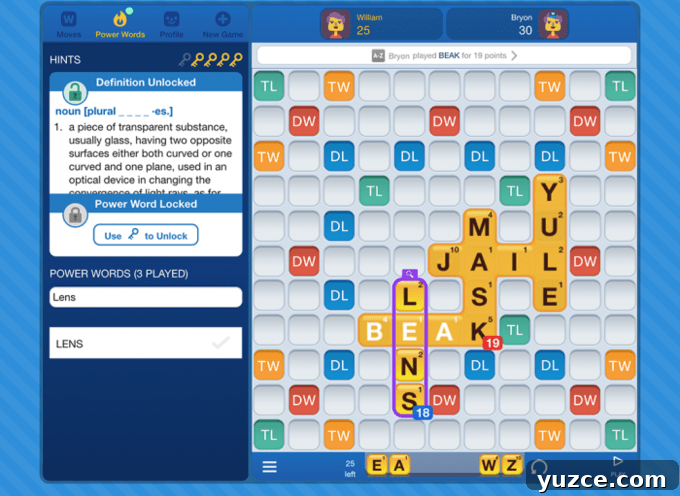
Getting started with Words With Friends EDU in the classroom is simple—I tested it before sharing it here. The basic steps are:
1) Create an account (there is a quick start guide available).
2) Set up your classroom: add or edit classes and reset student passwords as needed.
3) Invite students with your class code. Monitor progress on the teacher dashboard, which shows what students are learning and where they need support.
There’s also an active forum where teachers and parents share resources and ideas, plus printable lesson plans for sight words, spelling, and other activities. At home, we let our kids challenge each other, which is fun and reinforces learning—this approach works just as well in the classroom.
Field studies indicate that students typically show significant improvement in their academic word use between their first game and their best performance within the first six games. That early progress makes it a strong tool for building vocabulary quickly and enjoyably.
I highly recommend playing this with your children—there’s no better way to teach than doing activities together.
Enter to win a 32 GB iPad (valued at $399)
To enter, sign up for a free Words With Friends EDU student account. Follow these steps:
- Go to the registration page and choose STUDENT.
- Enter code S37WG when prompted.
Registration is free and entering signs you up for the contest.