Olive oil is a versatile pantry staple with uses ranging from cooking and baking to skincare and home remedies. But is it gluten-free?
Yes. In its pure, unflavored form, olive oil is naturally gluten-free. It is produced by pressing olives and contains no wheat, barley, rye, or other gluten-containing grains. That said, a few considerations can help ensure it is safe for a strict gluten-free diet.
Is olive oil safe for Celiac disease?
Olive oil comes from the fruit of the olive tree (Olea europaea L.) and is safe for people with Celiac disease, gluten intolerance, or gluten sensitivity when it is pure and unadulterated. The main risk is not the oil itself but how it is processed or flavored. Flavored or infused olive oils can include additives or ingredients that contain gluten. Cross-contamination is also possible if the oil is bottled or handled in facilities that process gluten-containing products.
Is olive oil dairy-free?
Yes. Olive oil is plant-derived and contains no dairy or animal byproducts in its natural form, making it suitable for dairy-free and vegan diets. Be cautious with flavored or compound oils, which may include dairy-based ingredients or be produced on shared equipment with dairy products.
Types
Understanding olive oil types helps you choose the right oil for flavor and cooking needs. Types differ in flavor, color, acidity, and appropriate uses:
- Extra-virgin: Highest quality, cold-pressed from the first pressing, with acidity under 0.8%. It has a robust, fruity, slightly bitter flavor and is best for dressings, finishing dishes, and low-heat applications.
- Virgin: Also cold-pressed but with a slightly higher acidity (up to 2%). Milder than extra-virgin and suitable for salads and moderate-heat cooking.
- Pure: A blend of virgin and refined olive oils. Lighter in flavor and color, good for everyday cooking and recipes where a subtle taste is desired.
- Light olive oil: Refined for a very mild flavor and higher smoke point; “light” refers to flavor, not calories. It’s useful for high-heat cooking.
- Blended: Mixed with other vegetable oils (such as canola or soybean). Often chosen for frying or commercial food production.
- Flavored: Infused with herbs, spices, or other aromatics. These add distinctive flavors but can contain additional ingredients—check labels if you need gluten-free assurance.
Uses
Olive oil is prized for its culinary and nonculinary uses:
- Cooking: Suitable for sautéing, roasting, and many frying applications depending on the type. Extra-virgin adds rich flavor to finished dishes.
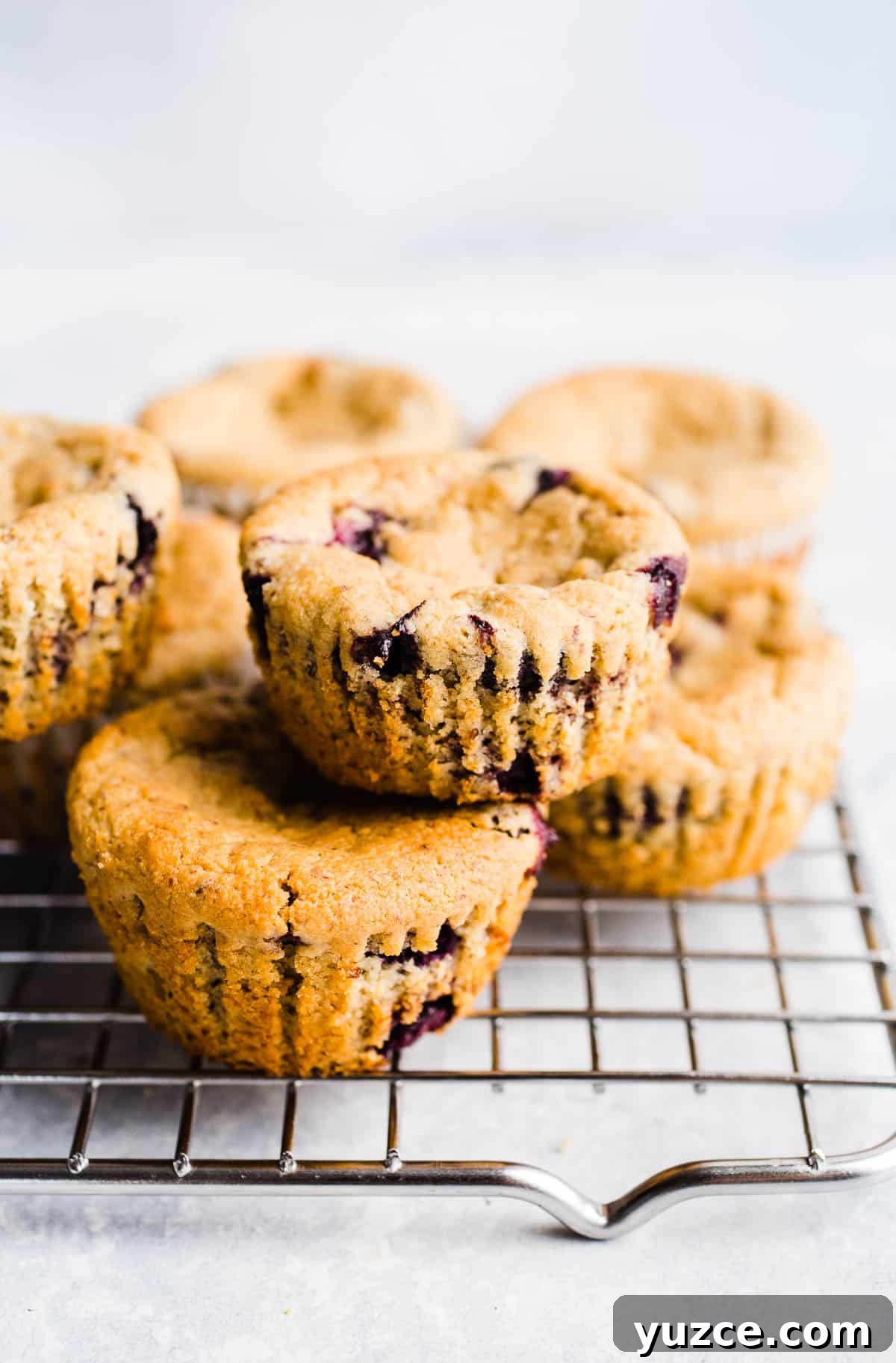
- Baking: A healthier substitute for butter in many recipes, contributing moisture and a tender crumb to cakes, muffins, cookies, quick breads, and granola.
- Dressings and marinades: Combine with vinegar, citrus, or herbs for simple, flavorful dressings, pestos, and marinades for vegetables, fish, and meats.
- Beauty and skincare: Used as a gentle moisturizer, hair conditioner, or makeup remover in natural skincare routines.
- Home remedies: Applied for dry skin, minor irritations, and as a soothing oil for some sun-exposed skin (avoid using on open wounds without medical advice).
- Seasoning cookware: Used to season cast iron pans to create and maintain a seasoned, nonstick surface.
Health benefits
Olive oil is valued for its nutritional profile, particularly its monounsaturated fats and oleic acid, which are associated with cardiovascular benefits when used in place of saturated fats. Extra-virgin olive oil also contains antioxidants and compounds with anti-inflammatory and antimicrobial properties, along with vitamin E. The magnitude of benefits depends on oil quality, extraction method, and storage—fresh, well-stored extra-virgin oil generally provides the most beneficial compounds.
Using olive oil regularly in gluten-free cooking and baking is an easy way to add healthy fats and flavor to a balanced diet.
What brands are gluten-free?
Because pure olive oil is naturally gluten-free, many brands are suitable for people avoiding gluten. However, cross-contamination during processing or bottling can be a concern for those with severe sensitivity. In the U.S., the FDA allows “gluten-free” labeling, and some products carry independent certification from organizations with stricter standards.
Brands that are commonly reported as certified gluten-free or produced in facilities free from wheat and other gluten-containing products include California Olive Ranch and Lucini Italia. Several other brands list their products as naturally gluten-free; examples include Pompeian, Colavita, Brightland, O-live & Co., Thrive Market, Primal Kitchen, O California, and Bertolli. Labeling and manufacturing practices change over time, so always check the current label or contact the manufacturer for the latest allergen information.
Helpful tips
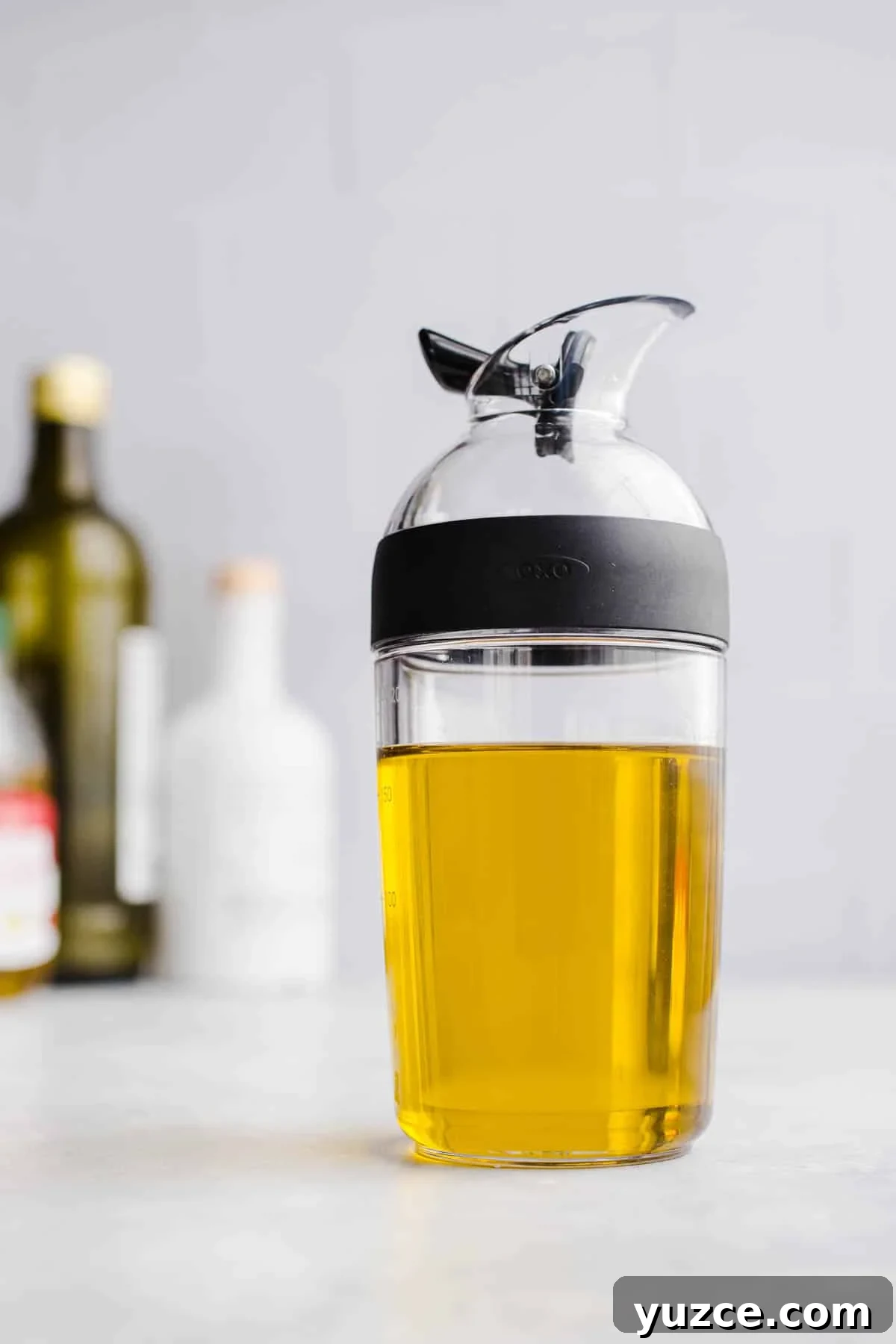
- Check brand sources: Information from brand websites is the most reliable way to confirm current allergen and processing practices.
- Look for labeling: If cross-contamination is a concern, choose products that explicitly state “gluten-free” or carry independent certification.
- When in doubt, contact the manufacturer: If ingredient lists or facility statements are unclear, reach out to the brand for clarification.
Note: Always read labels carefully. Some flavored or blended oils can include gluten-containing ingredients or be processed in facilities that handle wheat. This article aims to provide general guidance but is not a substitute for medical advice. Consult your healthcare provider for personalized recommendations related to gluten intolerance or Celiac disease.