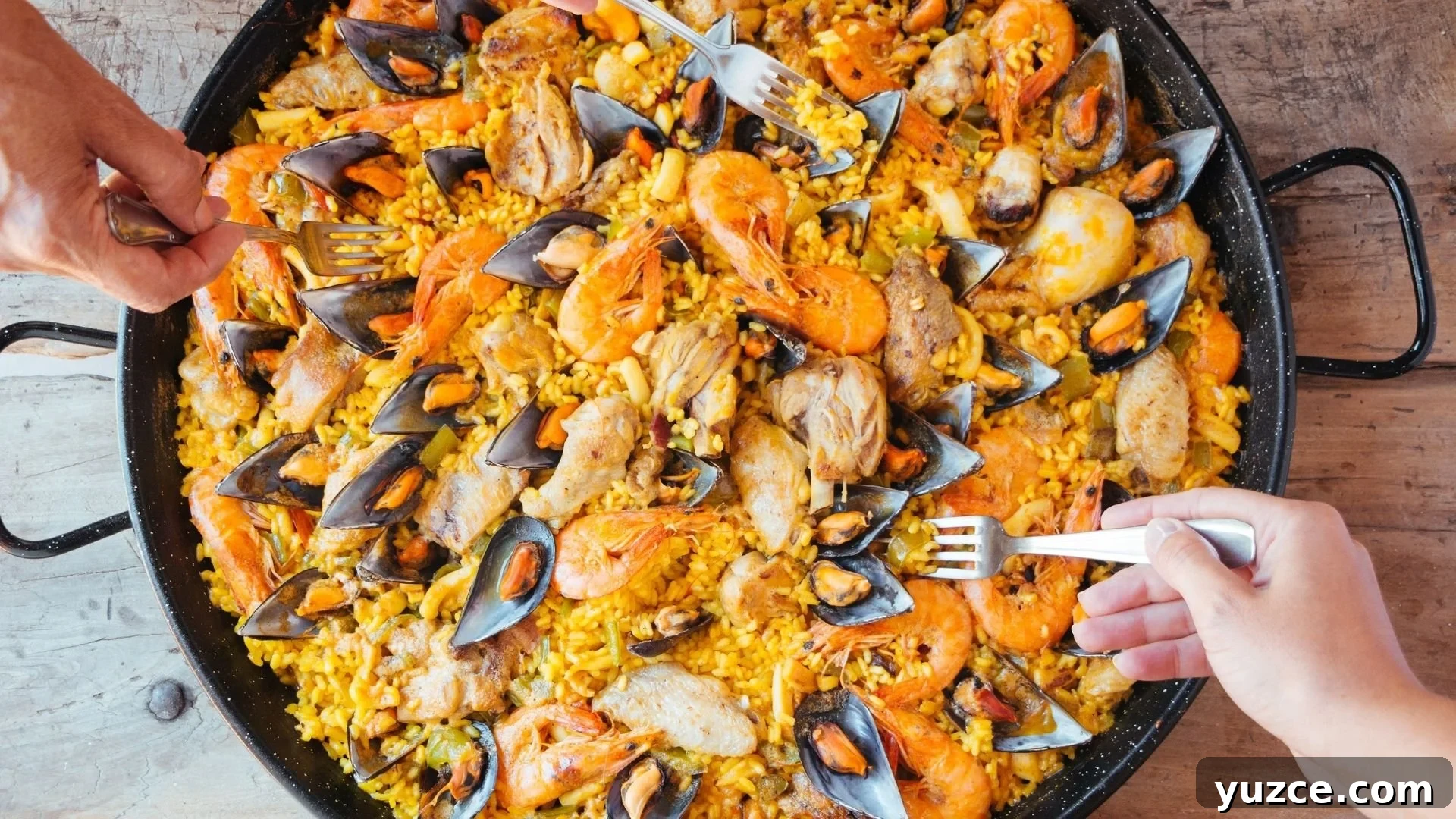
It is not accurate to speak of a single Spanish cuisine. Rather, Spain’s culinary identity is a mosaic of regional cuisines, each reflecting the history, climate and culture of its people. These regional traditions have developed independently, yet together they form the wide and varied gastronomic landscape of the country.
Despite the diversity, certain traits and ingredients connect these regional kitchens. For example, roasted meats are typical of the Meseta (the central plateau including Castile and León, Madrid, Castilla‑La Mancha and Extremadura), rice-based dishes are associated with the Levant, and fried foods cooked in abundant olive oil are a hallmark of Andalusia. In most Spanish homes you will find local specialties alongside recipes borrowed from other regions. Common features across Spain include:
- The central use of olive oil, both raw for dressing and for frying;
- Onion and garlic as foundational aromatics;
- Sofrito—slow‑cooked mixtures of onion, garlic and tomato—or concassé tomatoes as a starting point for many dishes;
- The regular presence of bread with meals;
- Soups or broths commonly served as a first course;
- Abundant salads, especially in summer;
- Wine or beer frequently consumed with meals;
- Fruit or a dairy dessert, such as yogurt, to finish a meal;
- Sweets and pastries often reserved for festive occasions.
Across Spain there are many dishes that, while rooted in particular regions, are enjoyed nationwide. Classics include tortilla de patatas, paella, pisto (a sauté of tomatoes, peppers and courgettes), gazpacho, migas and a wide range of sausages such as jamón, chorizo and morcilla, as well as countless regional cheeses. Legume‑based dishes—lentils, chickpeas, beans—are a staple in the form of potajes and stews, each region adding its own touch. Bread is fundamental, with diverse regional varieties, and desserts show strong similarities across the country: flan, natillas, arroz con leche (rice pudding), torrijas and churros are among the best known.
Wine has an ancient tradition in Spain dating back to the Phoenicians. Spanish wine regions are numerous and respected, with many Denominations of Origin producing high‑quality wines such as those from Rioja, Ribera del Duero, Jerez and Penedès. For casual enjoyment, wine is often served in simpler forms like tinto de verano (wine mixed with lemon soda) or sangría, both popular, easygoing ways to drink wine in warmer months.
Regional cuisine and specialties
Andalusian cuisine
Andalusia in southern Spain is famous for gazpacho, a refreshing cold vegetable soup that is a staple of local tradition. The region’s history under Moorish rule left a mark on its desserts, many featuring honey and almonds. Coastal areas emphasize fish and seafood, and frying in olive oil is characteristic of many Andalusian dishes.
Basque cuisine
Basque cooking blends Spanish and French influences and places strong emphasis on seafood and fish prepared simply and expertly. Marmitako, a tuna and potato stew with peppers and tomatoes, is a classic that showcases the region’s maritime heritage.
Canarian cuisine
Canary Islands cuisine reflects a fusion of influences from mainland Spain, Africa and Latin America. Mojos—vibrant cold sauces—accompany many dishes, served with meats, fish and bread. A local variation of flan, often called leche asada, is sweetened with a distinctive palm honey (miel de palma).
Catalan cuisine
Catalonia is known for butifarra, a traditional pork sausage commonly paired with white beans. Allioli (garlic, oil and salt emulsified into a creamy condiment) is a ubiquitous accompaniment that enhances bread, vegetables, fish and meat across the region.
Valencian cuisine
Valencia is the birthplace of paella and maintains a strong rural culinary tradition. Stews are common, particularly in colder seasons, often featuring pumpkins, chickpeas and beans and relying on local produce to create hearty dishes.
Madrid, the gastronomic meeting point
As Spain’s capital, Madrid has historically absorbed influences from across the country. People from many regions brought their food traditions to the city, making Madrid a culinary crossroads that embraces a wide variety of cuisines while developing its own favorites. Typical Madrid breakfasts range from coffee with milk and toasted bread with butter or olive oil to churros or porras. Mid‑morning tapas often include a tortilla slice paired with a small beer (caña).
Although inland, Madrid enjoys a surprising amount of seafood thanks to distribution networks; prawns (boiled, grilled, breaded or al ajillo), steamed or marinated mussels and anchovies in vinegar are common tapas. Equally popular are croquettes and cazuelitas—small, individual stews and braises served in earthenware.
Madrid stew
Stews are central to Madrid’s cuisine. Dishes such as callos (stewed tripe) and chickpea‑based stews reflect a synthesis of regional Spanish stews adapted to local tastes and available ingredients. Chickpeas are especially prized and appear in traditional preparations like chickpea soup with salt cod and spinach, a classic Lenten dish. Lentils, often cooked with chorizo, are another beloved staple.
No matter which Spanish region you visit, you can expect comforting, flavorful food that celebrates local ingredients and long culinary traditions.