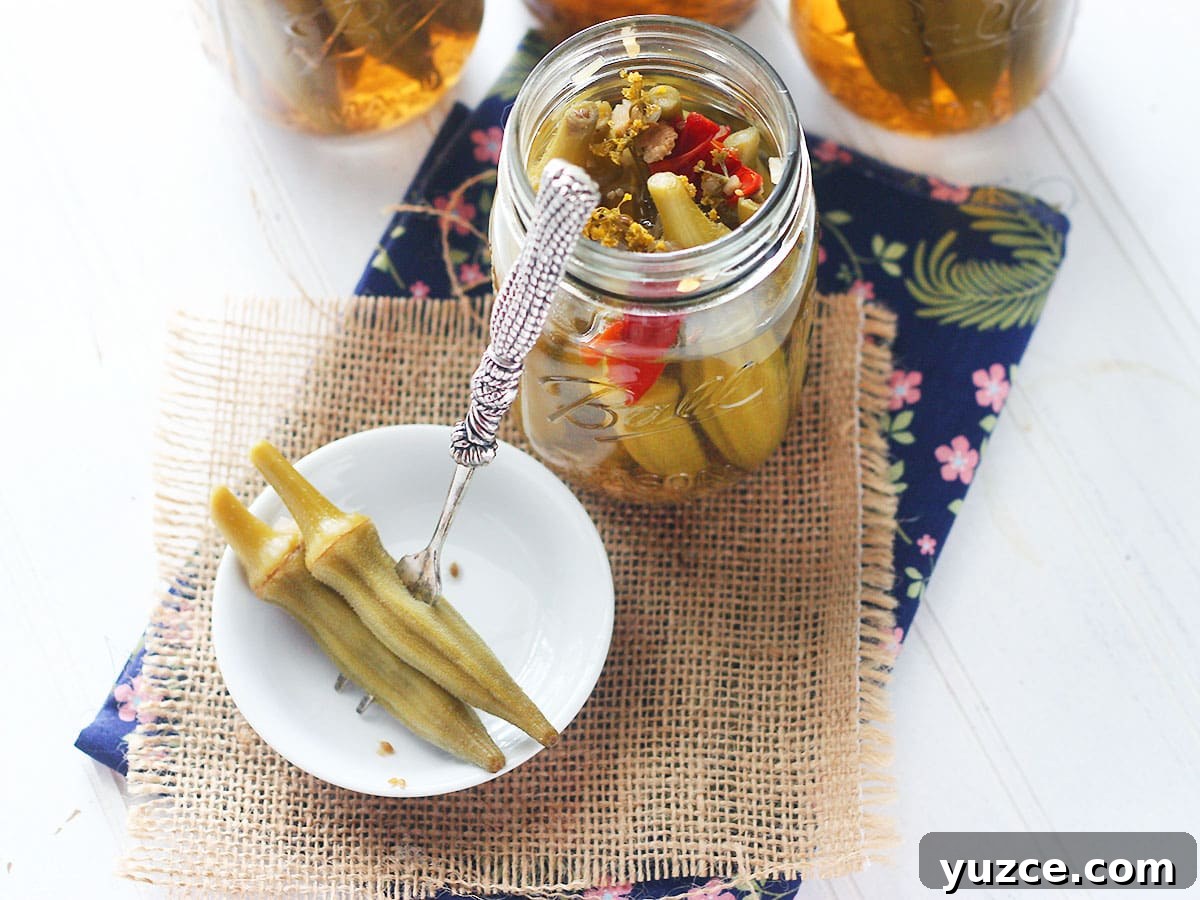
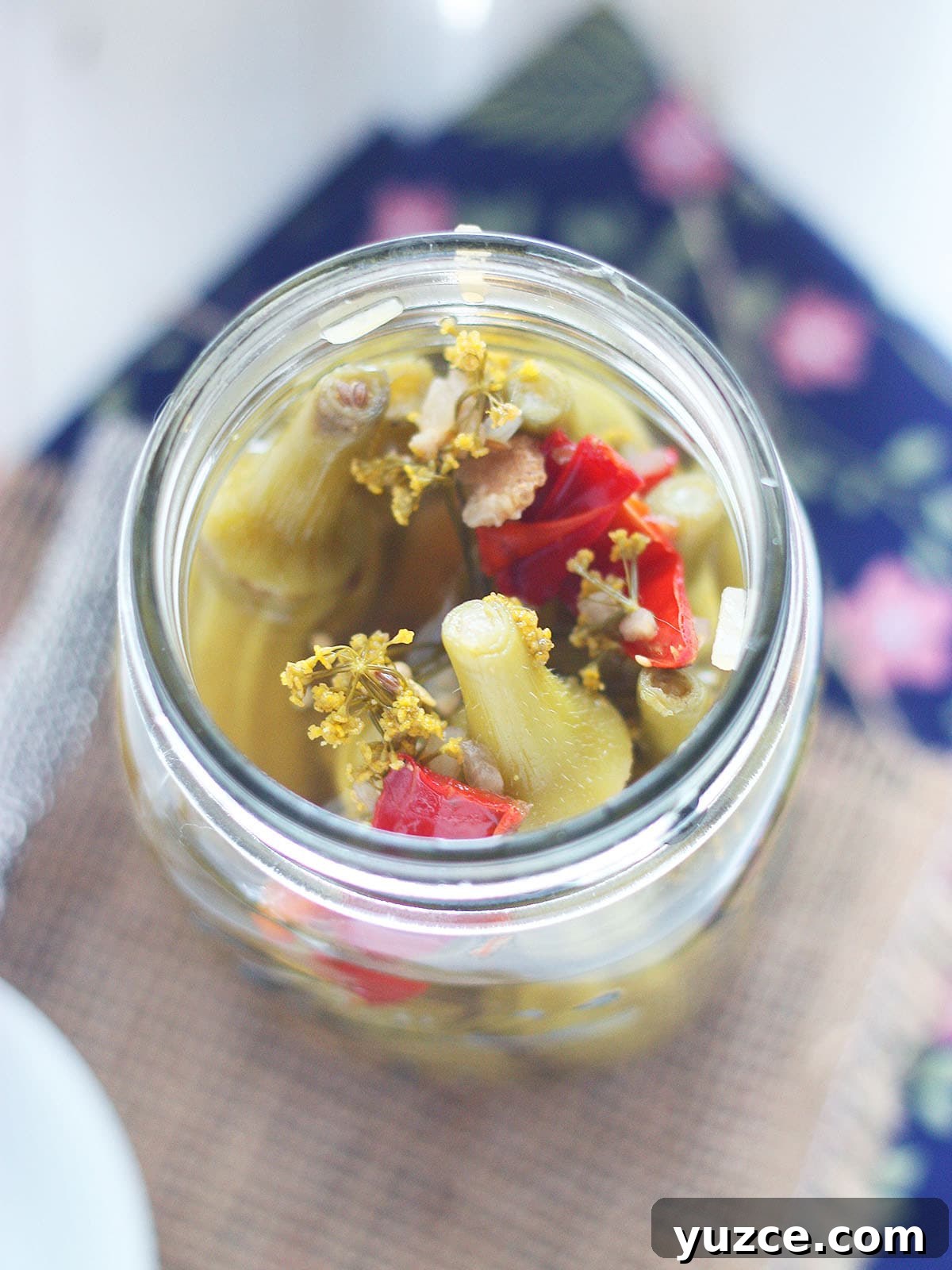
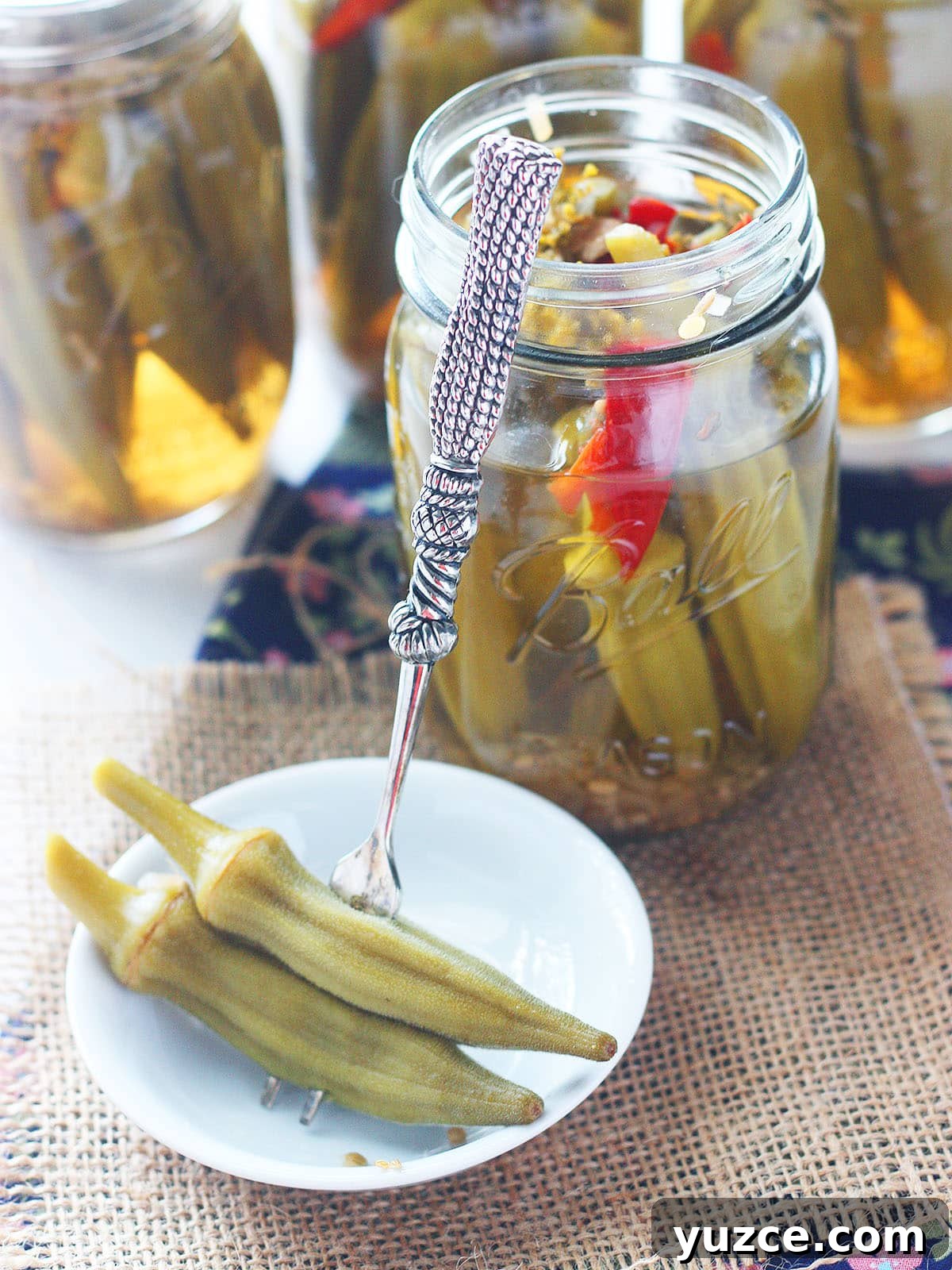
This spicy pickled okra packs a punch. It’s an excellent garnish for a Bloody Mary, a tangy addition to a meat and cheese board, or a zesty snack straight from the jar.
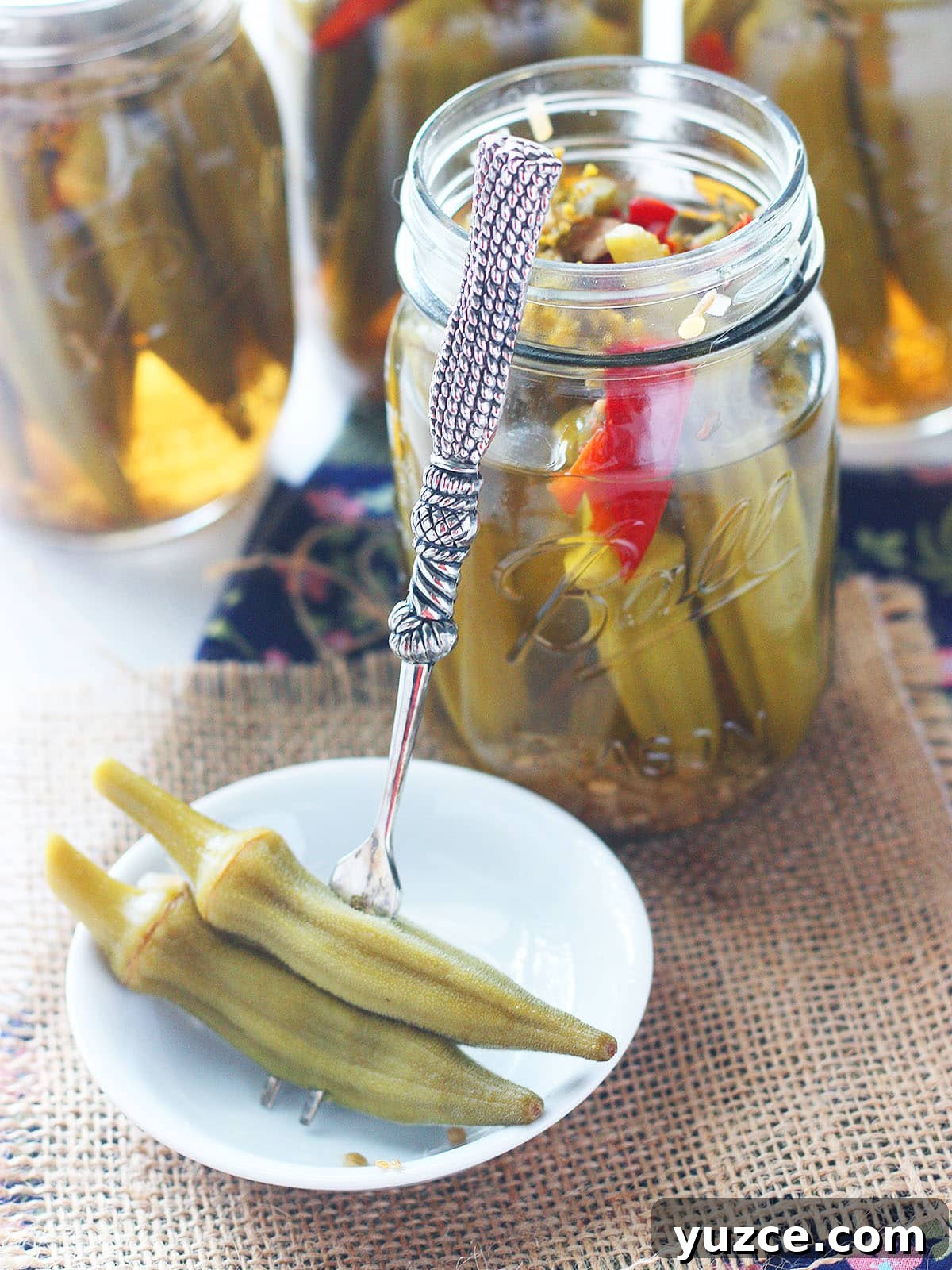
If I ever need to rely on a survival garden, okra would be high on the list — it grows like crazy and yields a bounty by late summer. My plants are taller than I am and I’ve had to preserve okra in many ways: frozen for gumbo, stews, and frying, and now pickled.
My husband asked me to try pickled okra this year and requested some heat. I experimented, and these spicy pickled okra jars got a thumbs-up. They’re great for cocktails, charcuterie, or simply munching.
Ingredients and tools you’ll need
Pickling okra is straightforward: make the brine, pack the jars, and let the okra soak. For this recipe you will need:
- 2 teaspoons dill seed
- 2 teaspoons minced garlic
- 1 teaspoon dill weed or 1 large fresh dill head per jar
- 1 teaspoon mustard seed
- ¼ cup minced dried onion
- 1–3 jalapeños (or other hot peppers), halved, seeded and chopped — adjust for desired heat
- 2 ¼ cups water
- 1 ¼ cups apple cider vinegar
- 2 tablespoons kosher or pickling salt
- 2–4 clean pint jars with lids
- Fresh whole okra, rinsed and trimmed
- Medium to large saucepan
Picking and preparing the okra
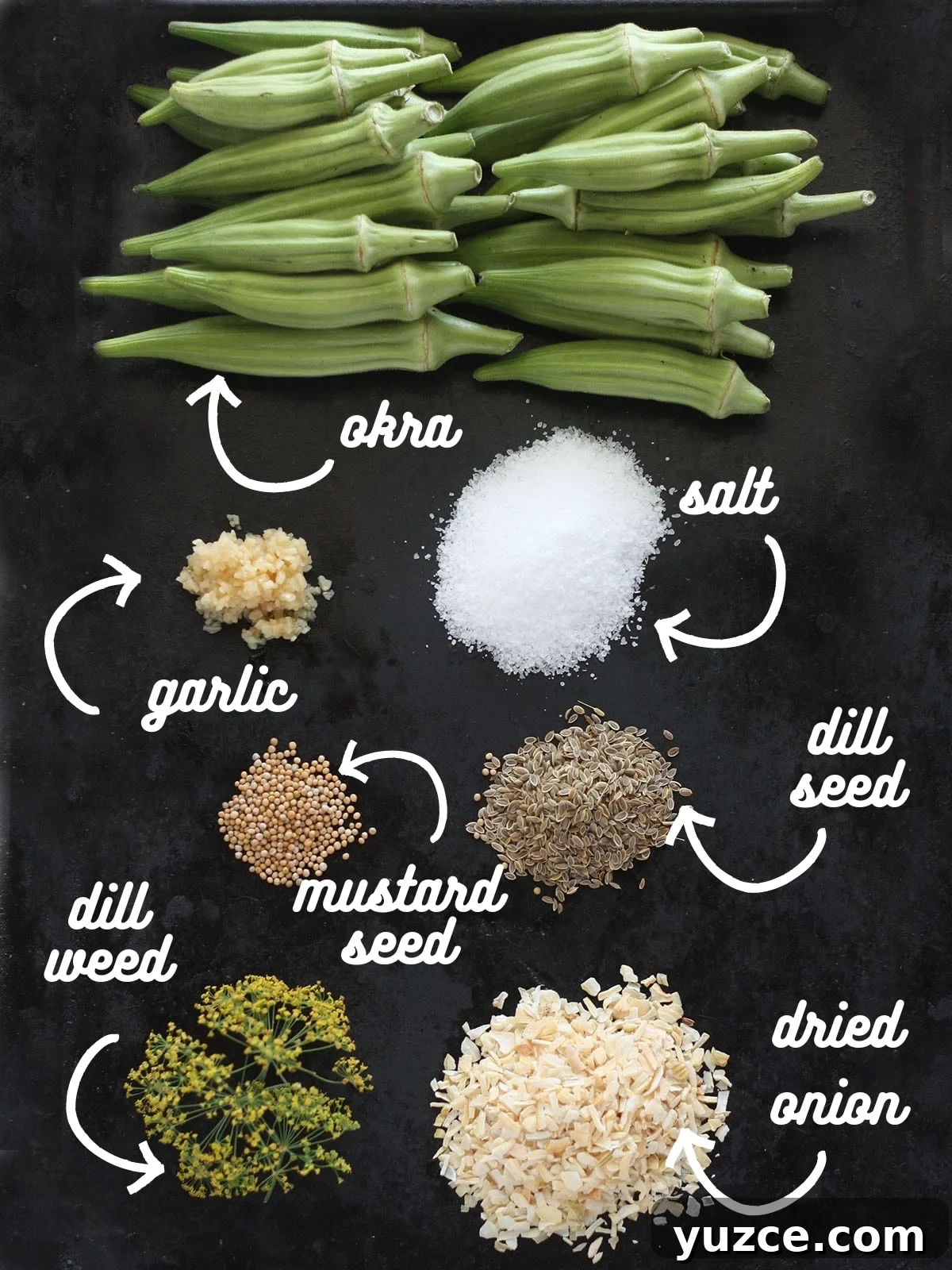
Whether from your garden or the farmers market, choose pods about four inches long. Larger pods become tough and “woody,” while smaller pods stay tender. Look for pods that are bright to light green and avoid bruised, shriveled, or damaged pods.
Store whole okra in the refrigerator and use within three days. Wait to wash until just before pickling to prevent excess moisture that can encourage spoilage. Rinse the okra in a colander with cold water and trim any long stems that would extend above the jar rim.
Prepare the brine
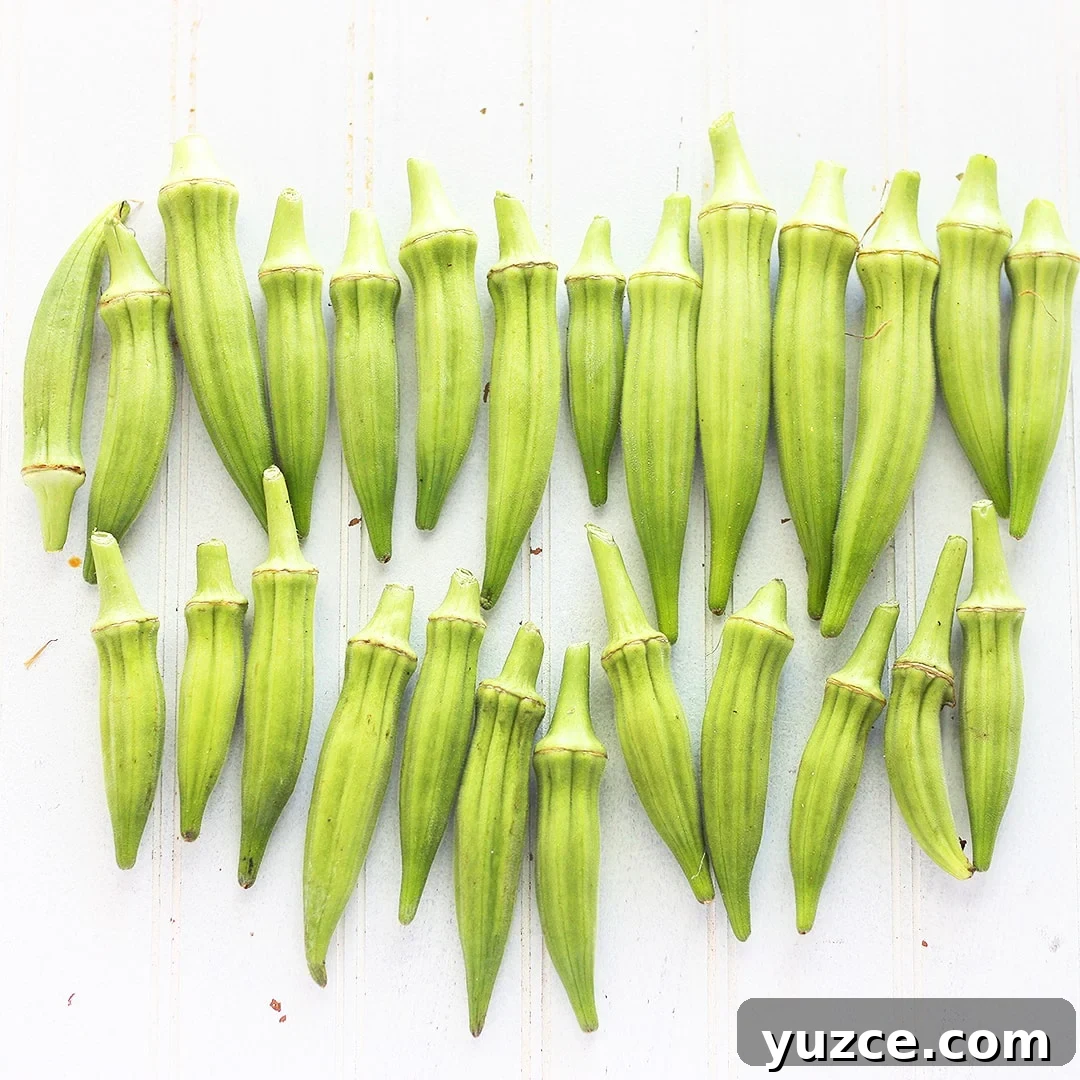
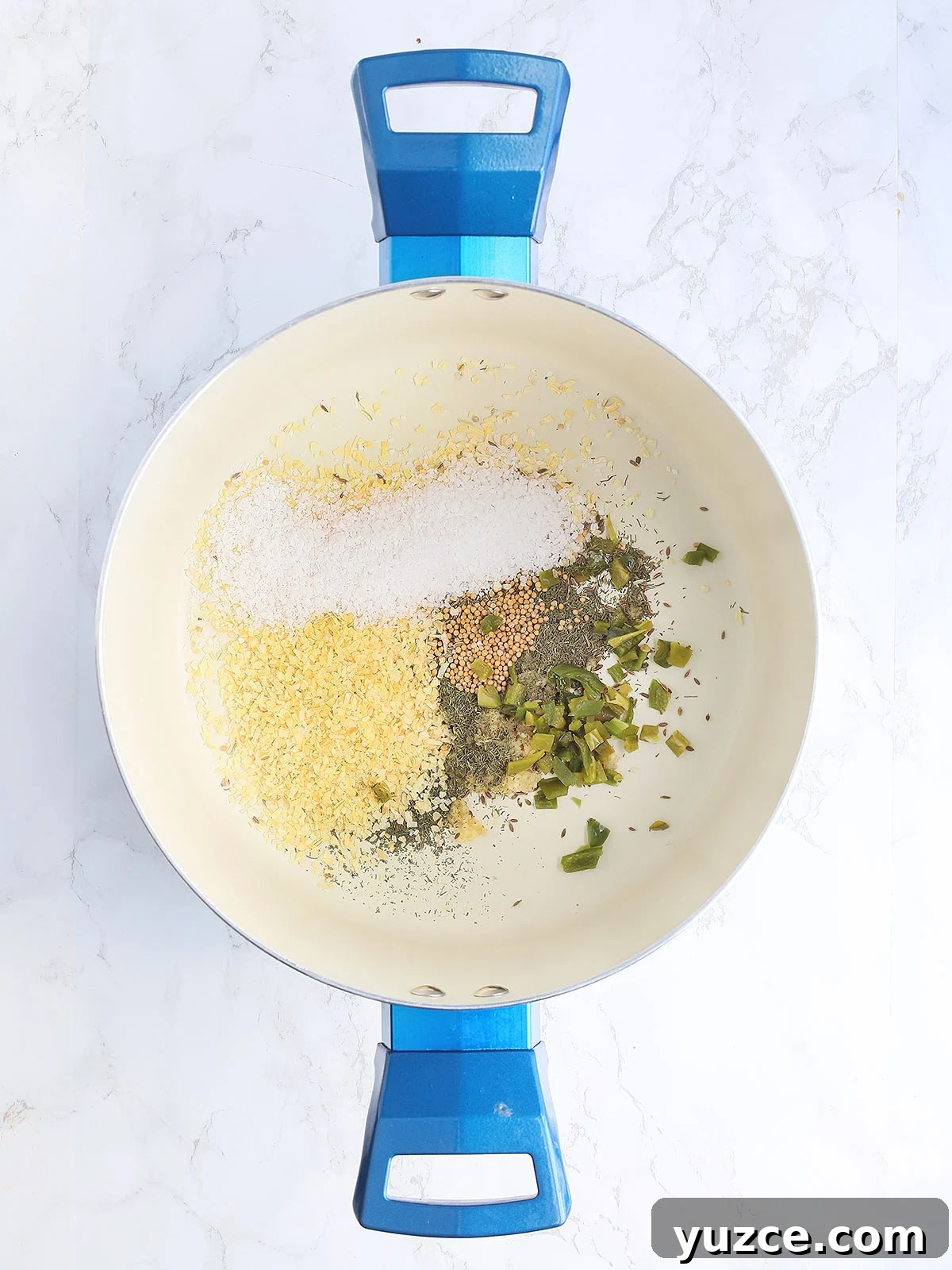
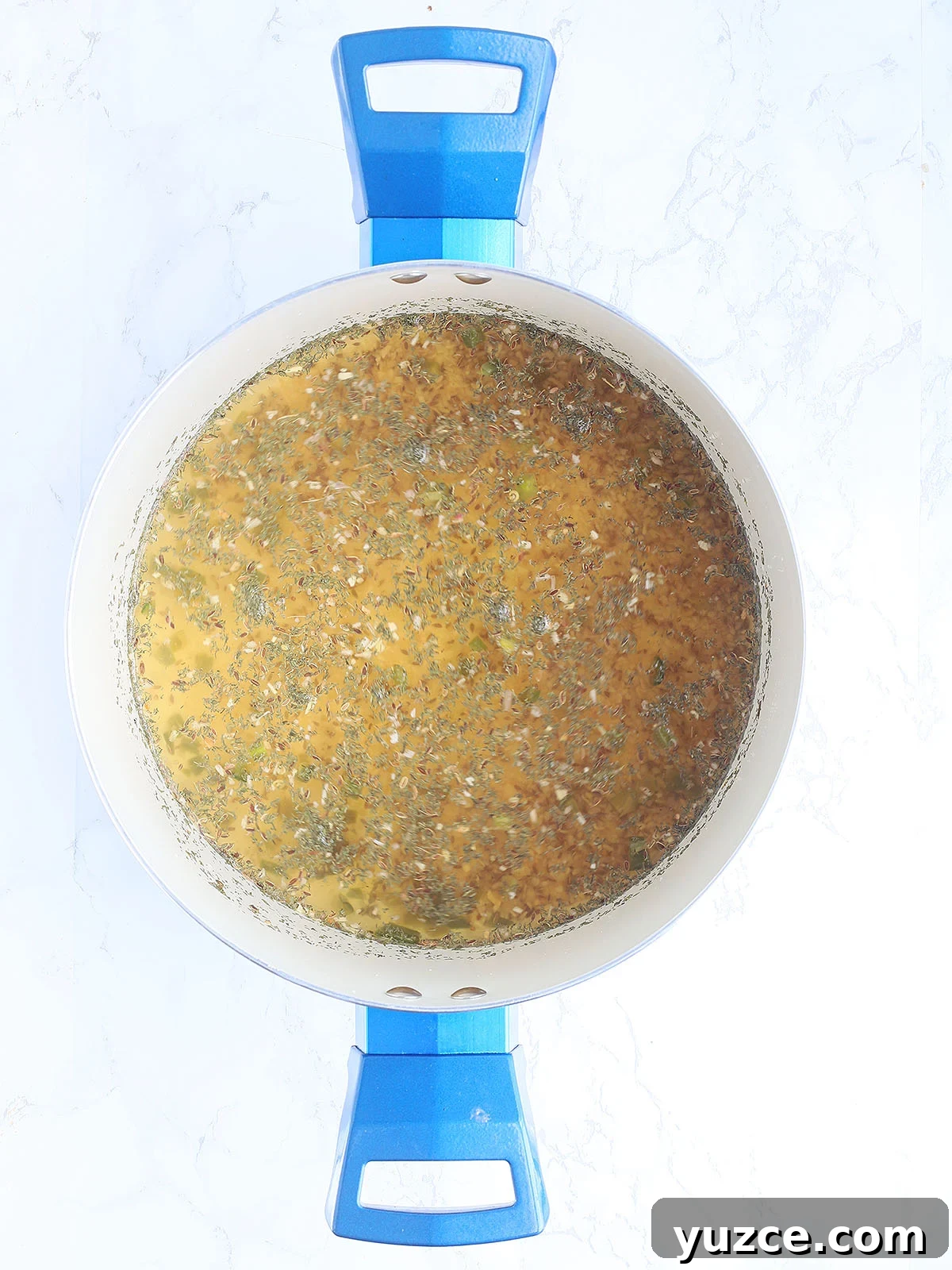
In a saucepan combine the dill seed, minced garlic, dill weed, mustard seed, dried onion, jalapeños, water, apple cider vinegar, and kosher salt. Heat over medium-high until it reaches a boil, then reduce to medium-low and simmer just until the salt dissolves. Remove from heat and let the brine cool completely before using.
Pack the jars
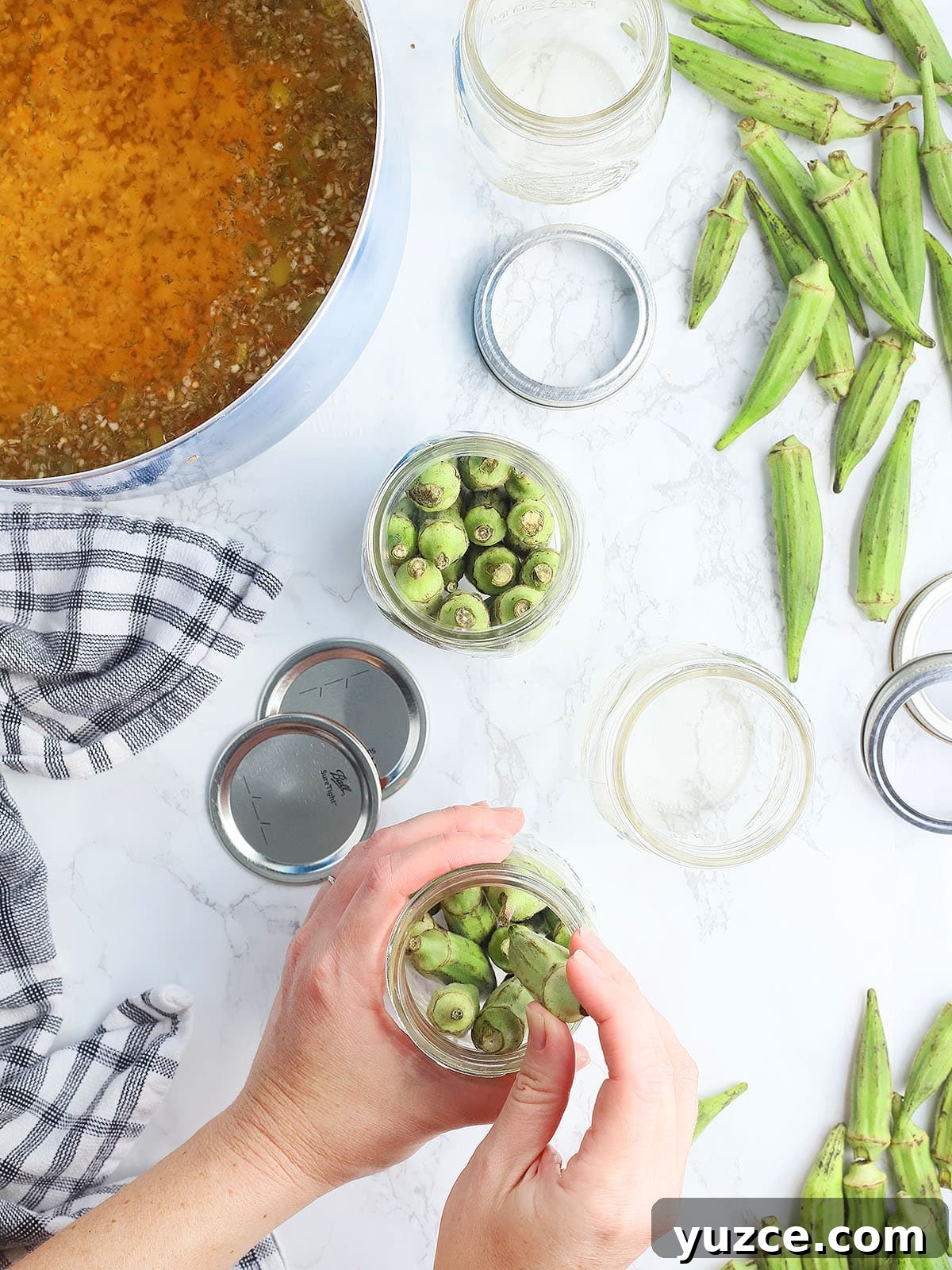
Packed tightly but without crushing, place the washed and trimmed okra into clean pint jars. Glass mason jars are ideal if you plan to can; airtight plastic containers work if you’ll refrigerate the pickles. Make sure okra tips don’t interfere with sealing the lid.
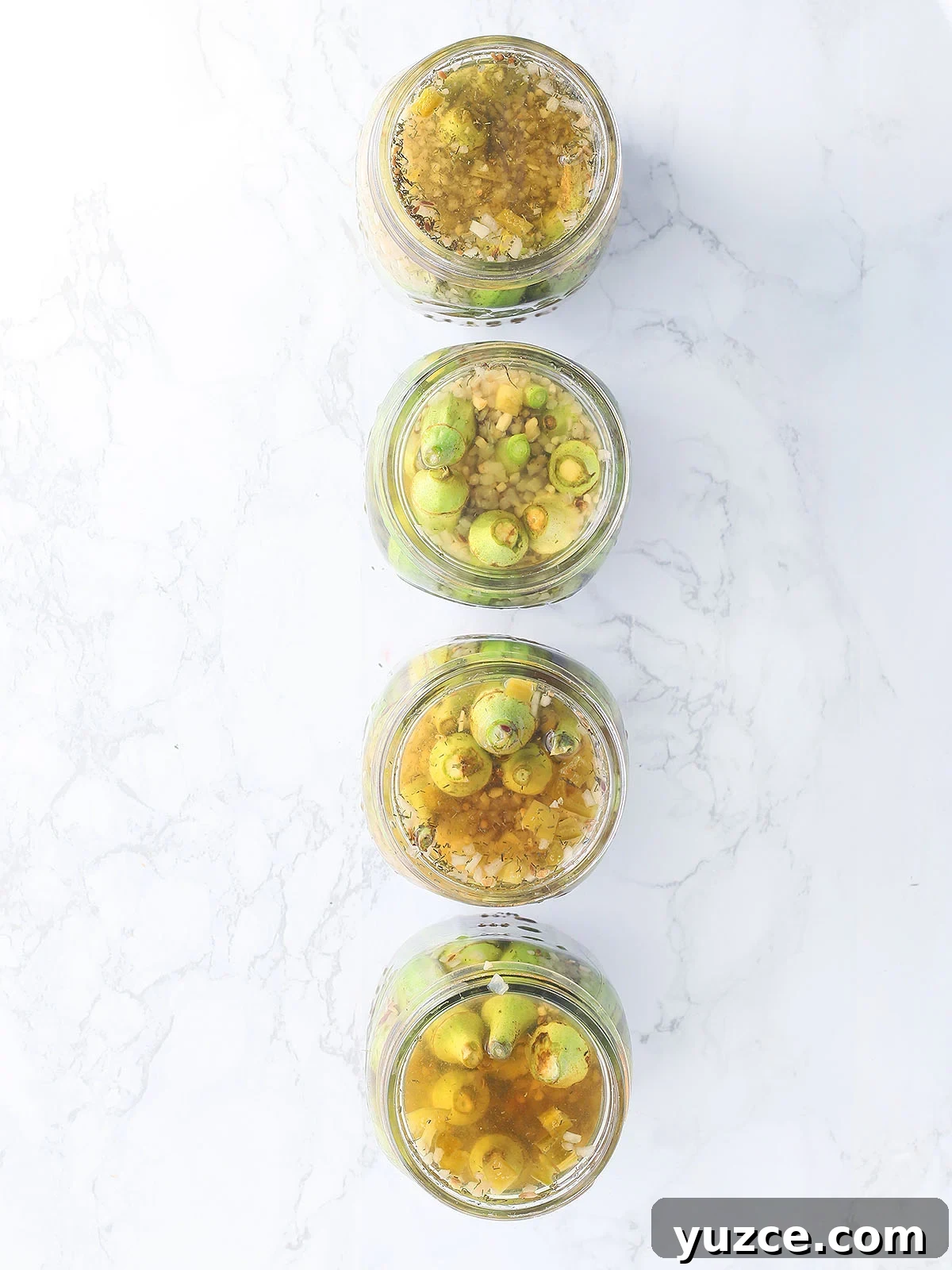
Pour the cooled brine over the okra, filling each jar and leaving about ¼ inch headspace. If solids settle in the saucepan, spoon equal amounts into each jar. Wipe the rims, seal with lids, and refrigerate or process for canning. The okra will be ready to eat after three weeks. As the okra soaks up brine the liquid level may drop; this is normal.
Serving suggestions
Pickled okra is flavorful on its own and pairs wonderfully with a meat and cheese tray, alongside savory bites like cheese straws or deviled eggs. It also makes a bold, spicy garnish for cocktails.
Storage
Uncanned pickled okra should be refrigerated and consumed within two months.
Canning instructions
To preserve pickled okra long-term, use a water bath canner. Leave ¼-inch headspace in each jar, wipe rims clean, apply lids and rings. Place jars in a tall stockpot filled with water to cover the jar tops by one inch. Bring to a boil and process for 15 minutes. Turn off heat and let jars sit in the canner for five minutes before removing to cool on the counter. After 24 hours, remove rings and check lids for a firm seal; any unsealed jars should be refrigerated and used within two months.
Frequently asked questions
Raw okra contains mucilage, a soluble fiber that creates a slimy texture when cut or cooked. Vinegar breaks down that mucilage, so properly pickled okra that has soaked for the recommended time will not be slimy.
Yes. Dried minced onion is convenient and rehydrates in the brine with no noticeable flavor loss. If you use fresh, increase the quantity: roughly one medium diced onion equals ¼ cup dried minced onion.
Yes, any vinegar can be used, but the flavor will vary depending on the type of vinegar chosen.
Frozen okra loses firmness after thawing and is not ideal for pickling. Use fresh okra for the best texture.
No. You do not cook the okra before packing. The vinegar in the brine softens the okra enough to remove the raw bite while keeping it crisp.
Recanning is not recommended because additional heat can affect texture and make the okra mushy. Store unsealed jars in the refrigerator and use within two months.
A fresh dill head (flower cluster) can replace about one teaspoon of dill seed. Dill weed (the feathery leaves) has a different flavor profile than dill seed, so it’s not a direct substitute.
Kosher or pickling salts are preferred because they lack anti-caking agents that can affect the appearance and quality of pickles. Table salt is safe but may change color or texture.
More uses for okra:
- Okra Hoe Cakes
- Baked Chicken with Okra and Tomatoes
- Fried Okra
Spicy Pickled Okra
Ingredients
- 2 teaspoons dill seed
- 2 teaspoons minced garlic
- 1 teaspoon dill weed (or 1 large dill head per jar)
- 1 teaspoon mustard seed
- ¼ cup dried onion
- 1–3 whole jalapeños or other hot peppers, seeded and chopped
- 2 ¼ cups water
- 1 ¼ cups apple cider vinegar
- 2 tablespoons kosher or pickling salt
- 2–4 clean pint jars
- Fresh whole okra, rinsed
Instructions
- Combine dill seed, minced garlic, dill weed, mustard seed, dried onion, jalapeños, water, apple cider vinegar and salt in a medium saucepan.
- Bring the brine to a simmer and heat until the salt dissolves. Remove from heat and let cool completely.
- Pack the washed and trimmed okra into clean pint jars.
- Pour the cooled brine over the okra, leaving ¼ inch headspace. Wipe rims, secure lids, and either refrigerate or process using the water bath canning method.
- Allow jars to marinate for three weeks before eating for best flavor.
Notes
Refrigerate uncanned pickled okra and consume within two months.
Canning instructions
Process jars in a water bath canner for 15 minutes, allow jars to rest in the canner for five minutes, then cool at room temperature. After 24 hours remove rings and check seals; any unsealed jars should be refrigerated.
Nutrition
|
Calories: 5 kcal
|
Carbohydrates: 1 g
|
Protein: 0.2 g
|
Sodium: 105 mg