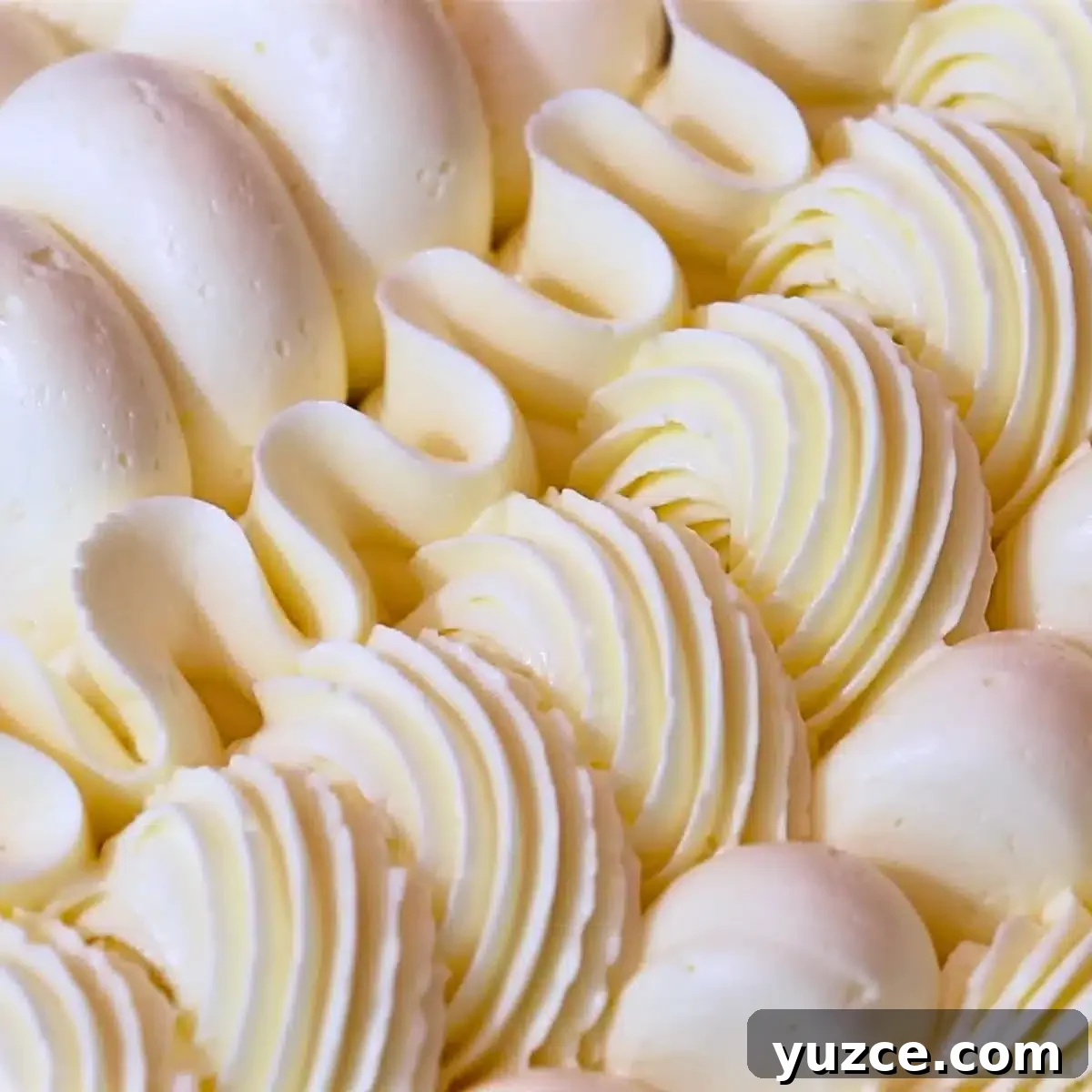
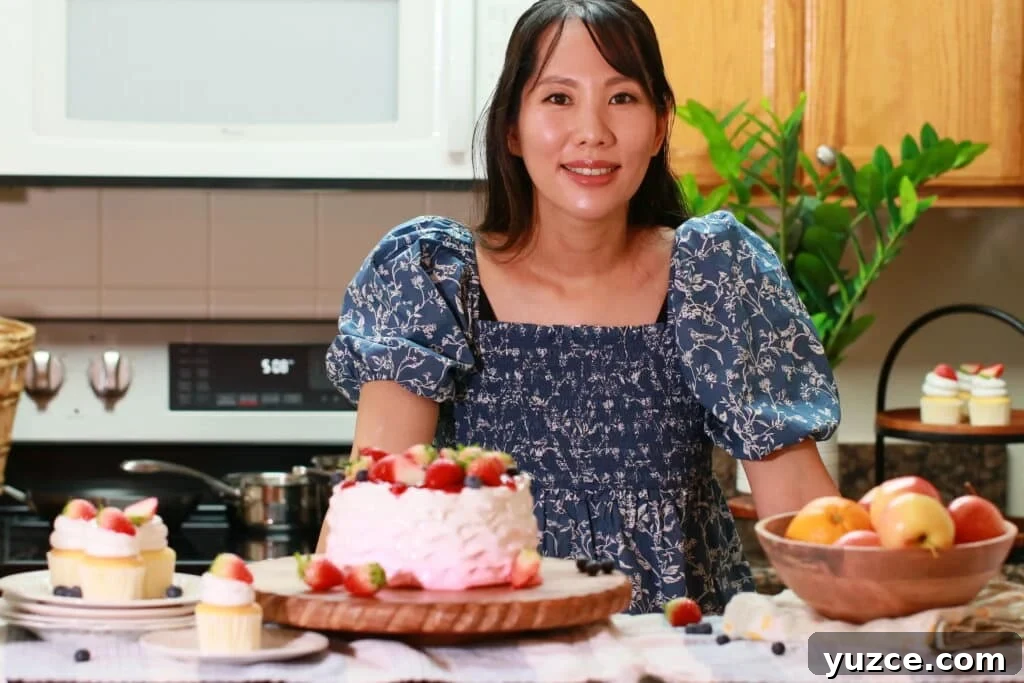
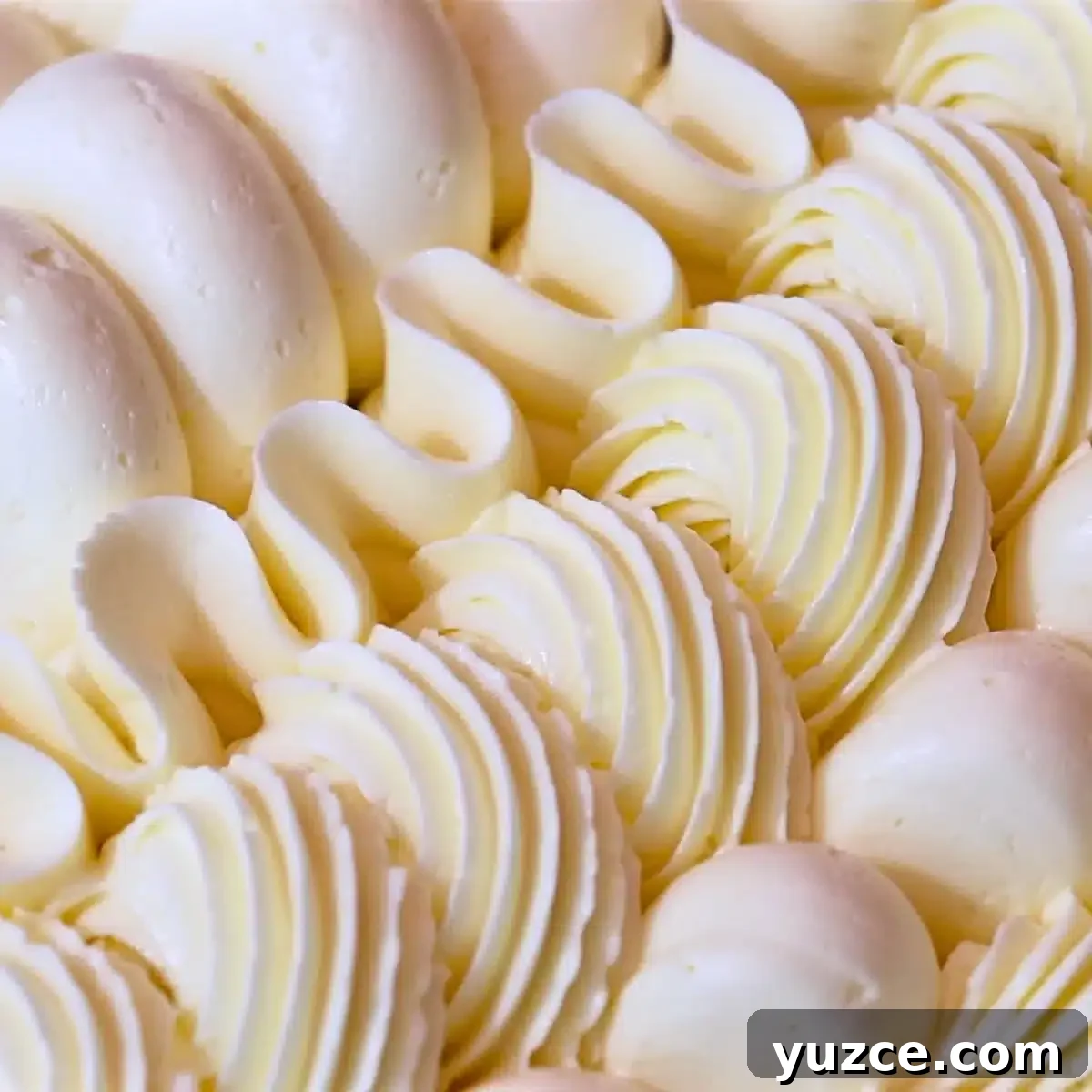
This lemon buttercream frosting is silky, airy, and bright with fresh lemon. It’s perfect for lemon cupcakes, layer cakes, macarons, and many other citrus desserts for lemon lovers.
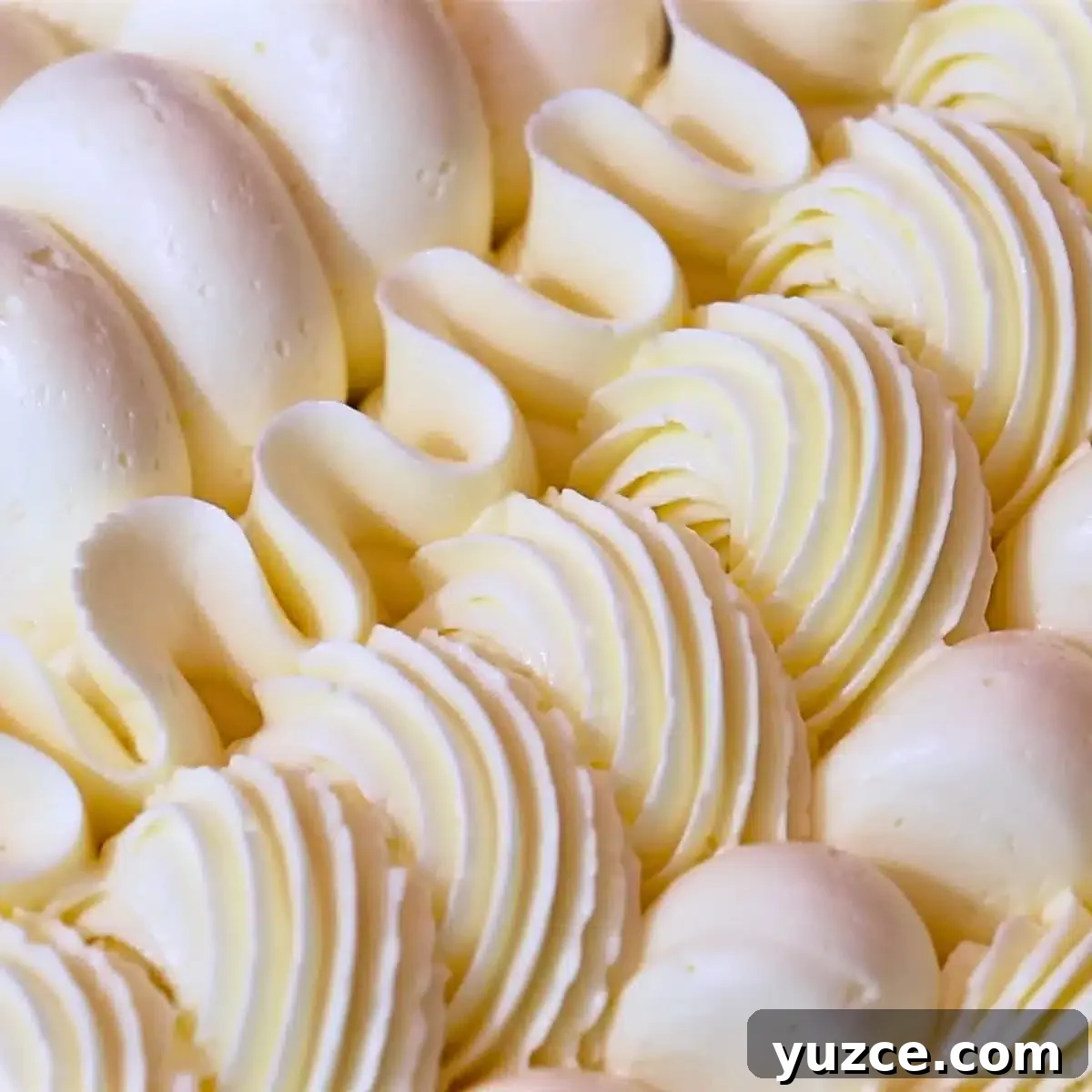
Why You’ll Love This Recipe
- Smooth and non-grainy texture.
- Very stable — holds up to tall cakes.
- Stiff enough for detailed piping.
- Bright lemon flavor from fresh zest and juice — more vibrant than extracts or oils.
- Light and fluffy rather than dense.
- Not overly sweet.
- Holds its texture after thawing, no re-whipping required.
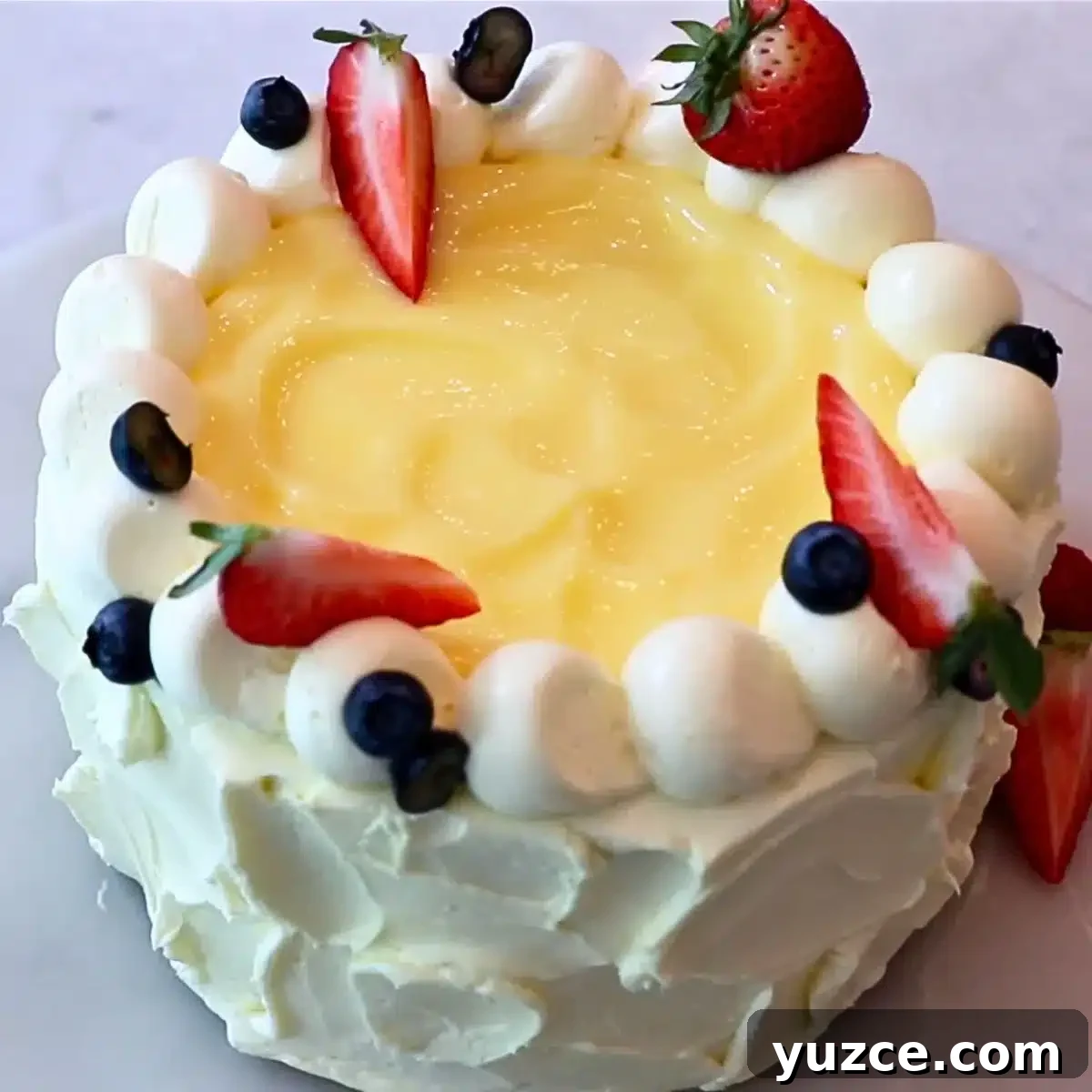
The Secret to the Airy & Smooth Lemon Buttercream
This frosting combines Swiss meringue buttercream with lemon curd. The meringue provides volume and stability while the lemon curd adds concentrated citrus flavor and body. Unlike American buttercream mixed with lemon, which can become grainy from confectioners’ sugar and tastes much sweeter, this method delivers a silky, less sweet, and more stable finish.
Be upfront: this recipe requires attention and technique. It’s not the fastest buttercream to make, but the result is worth the effort when you want a truly exceptional lemon frosting.
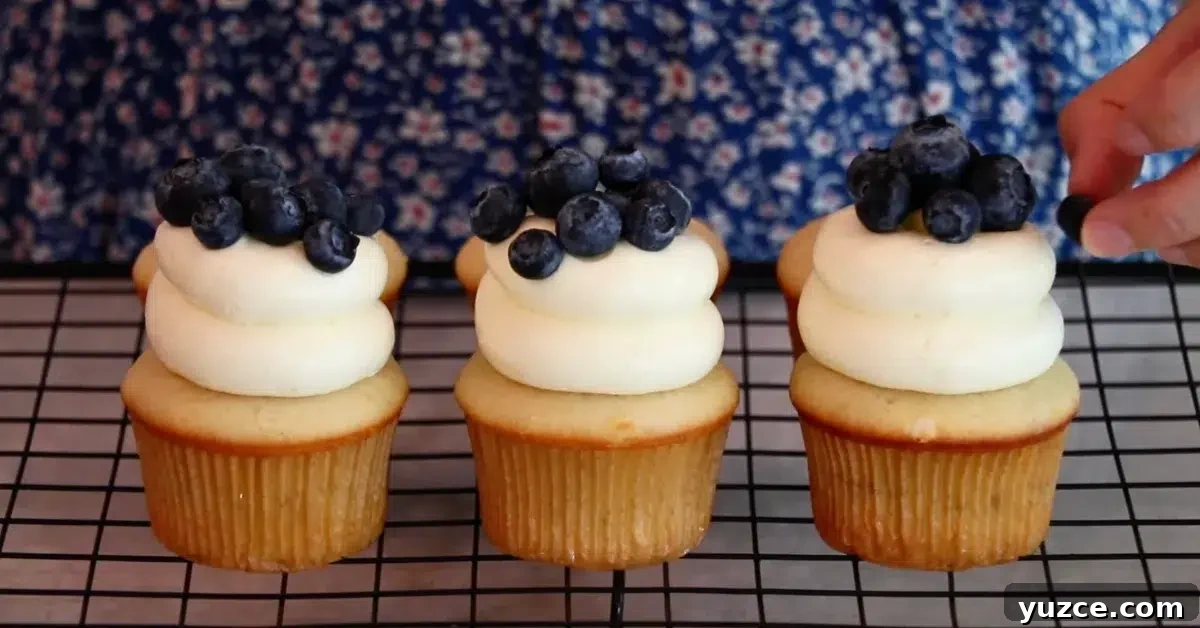
Video: Watch How to Make the Lemon Frosting
Follow the step-by-step video tutorial to see the technique in action and better understand timing and consistency.
Ingredients for Lemon Buttercream Frosting
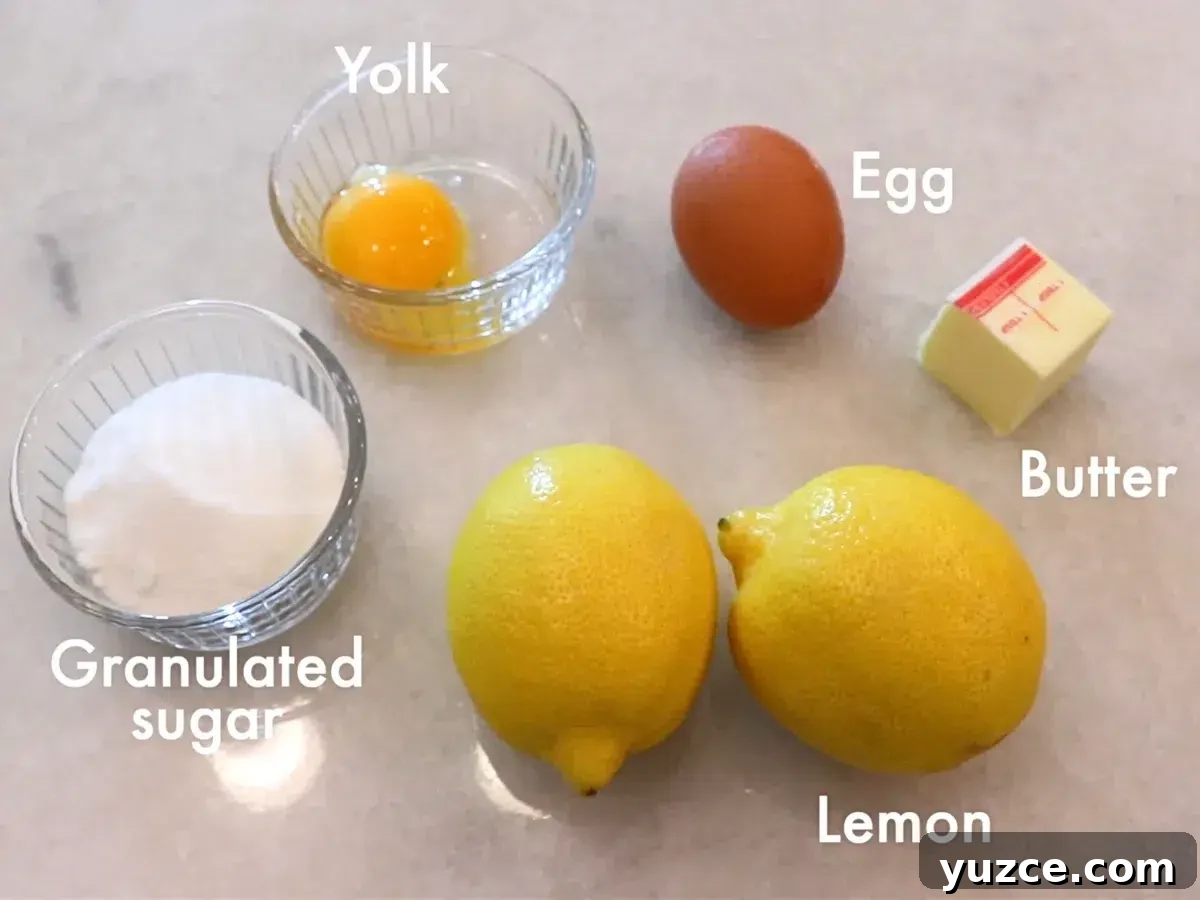
Lemon Curd
- Whole egg: helps thicken the curd.
- Egg yolk: adds richness and body.
- Granulated sugar: stabilizes the curd and balances acidity.
- Lemon zest: use only the yellow peel for bright flavor.
- Lemon juice: fresh juice yields the best citrus flavor.
- Unsalted butter: enriches and thickens the curd.
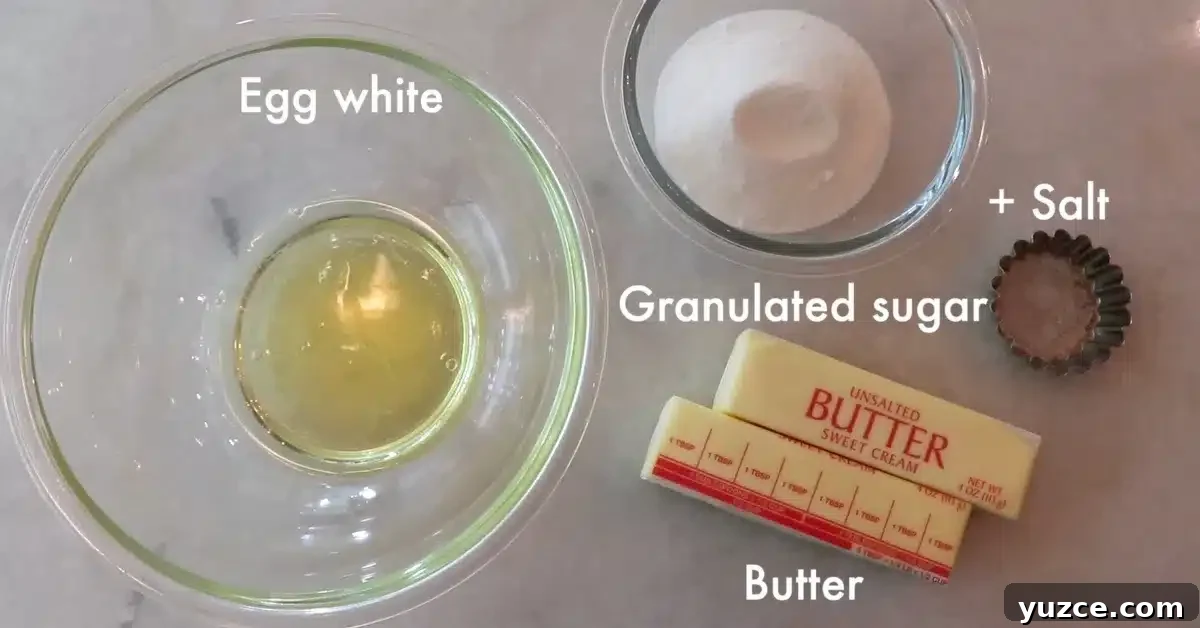
Swiss Buttercream
Swiss buttercream requires egg whites, sugar, and butter. A pinch of salt brightens the lemon flavor.
- Egg whites: ensure they are free of yolk and grease so they whip properly.
- Granulated sugar: heated with the whites to make Swiss meringue.
- Unsalted butter: use softened butter for a smooth, spreadable texture.
- Salt: enhances and balances the citrus notes.
How to Make Lemon Buttercream Frosting
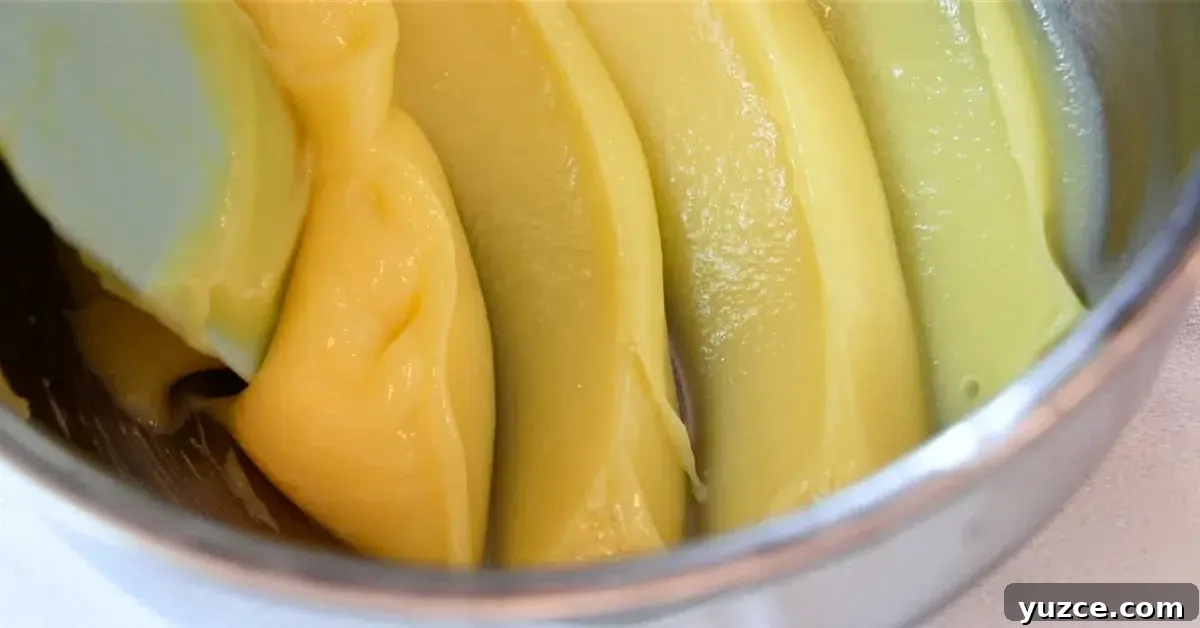
Make the lemon curd
- Prepare a half batch of homemade lemon curd and chill it thoroughly before folding it into the buttercream.
- Reserve any extra curd for fillings or garnishes.
Tips
- Make extra lemon curd to use as filling in cakes, cupcakes, or macarons.
- Save the leftover egg whites for the Swiss meringue.
Make the Swiss buttercream
- Heat egg whites and sugar in a bain-marie, stirring until the mixture reaches 160ºF (71ºC).
- Immediately whip the hot mixture on high speed in a stand mixer with the whisk attachment. Keep whipping on high while it’s hot; reduce speed as it cools. Stop when the meringue is completely cool to the touch.
- Add room-temperature butter and a pinch of salt to the cooled meringue and whip until incorporated, scraping the bowl as needed.
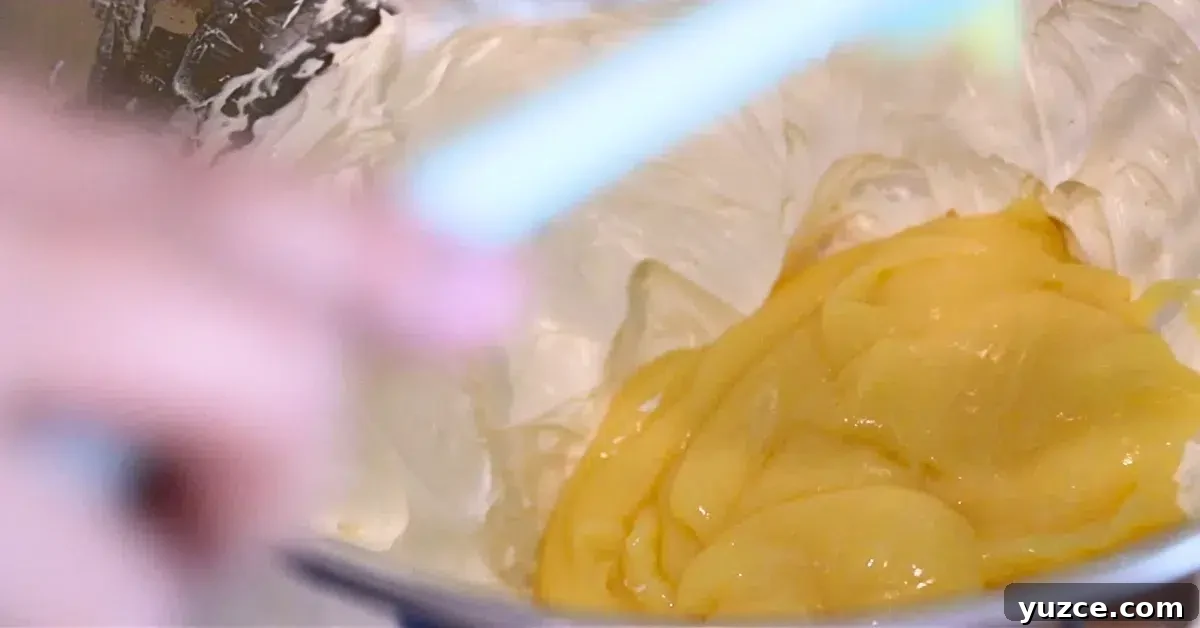
- Fold in cold lemon curd and whip just until smooth and combined. Scrape the bowl to ensure even mixing.
Important tips
- Everything that touches the egg whites must be clean and dry — no oil or soap residue.
- Heat the whites and sugar to 160ºF (71ºC) to stabilize the meringue and reduce food-safety risk.
- Start whipping immediately while the mixture is hot — hot meringue whips to more volume.
- Let the meringue cool completely before adding butter, or the butter will melt and the buttercream will loosen.
- Use softened butter; cold butter won’t blend and can break the texture.
- Do not add warm lemon curd — always add cold curd to prevent loosening.
How much should I whip the buttercream?
Whip only until the ingredients are combined and the texture is smooth. The meringue already provides lift, so extensive whipping is unnecessary unless you prefer a slightly airier result. The author whipped for about one minute after adding butter.
Uses for Lemon Buttercream Frosting
This versatile buttercream works beautifully on:
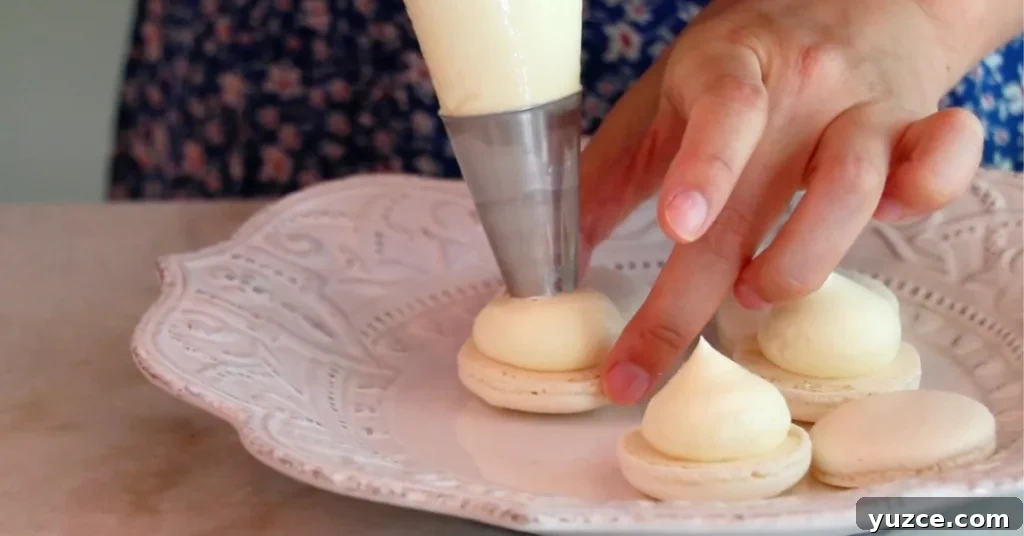
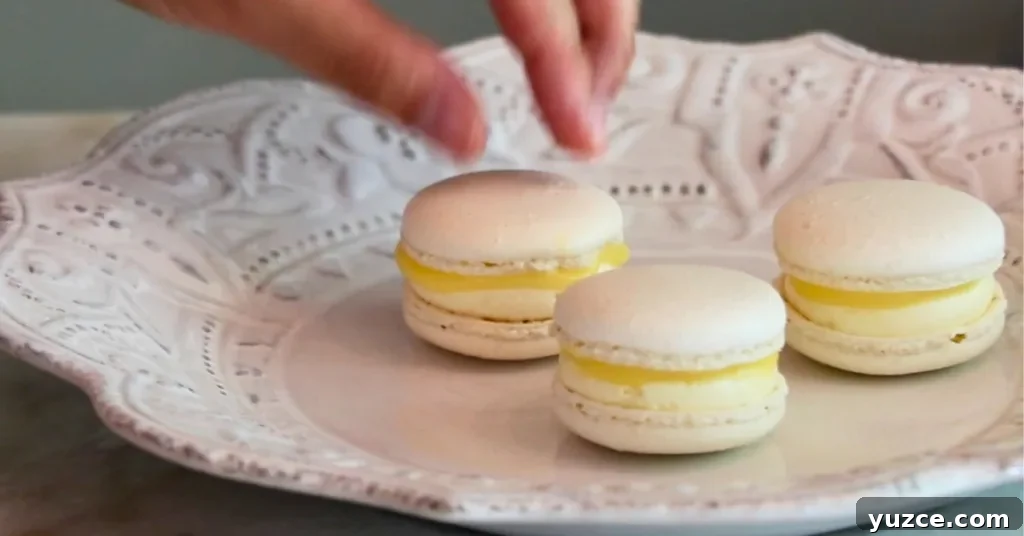
- Macarons: Pipe the buttercream and add a thin spread of lemon curd for intense flavor.
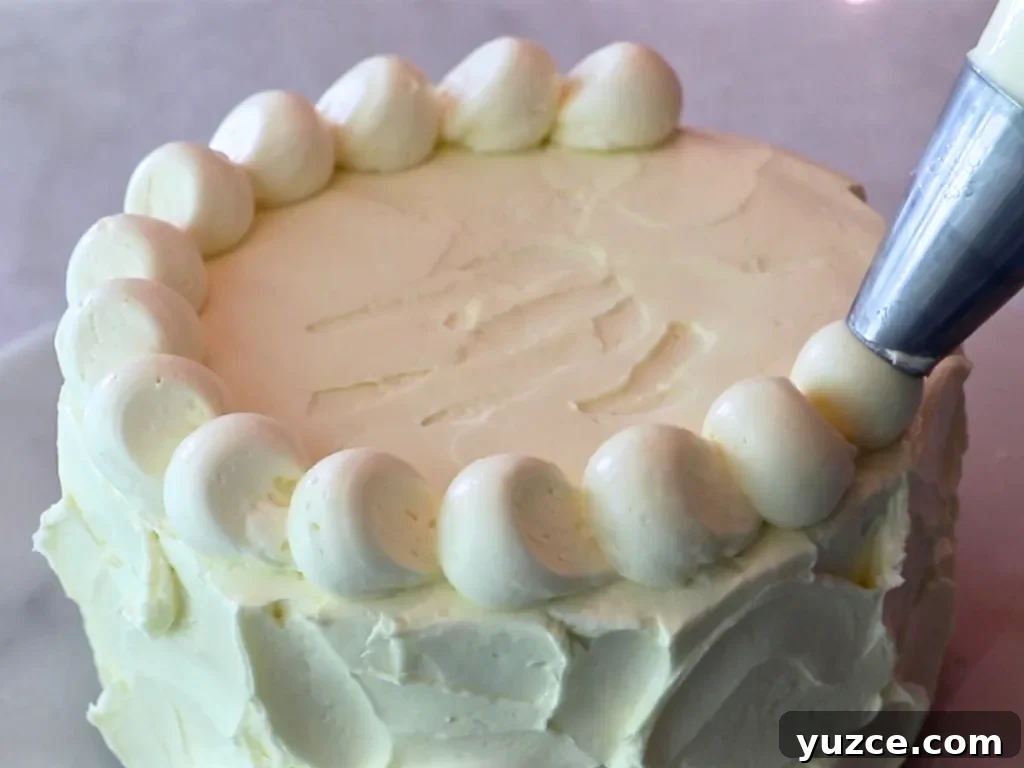
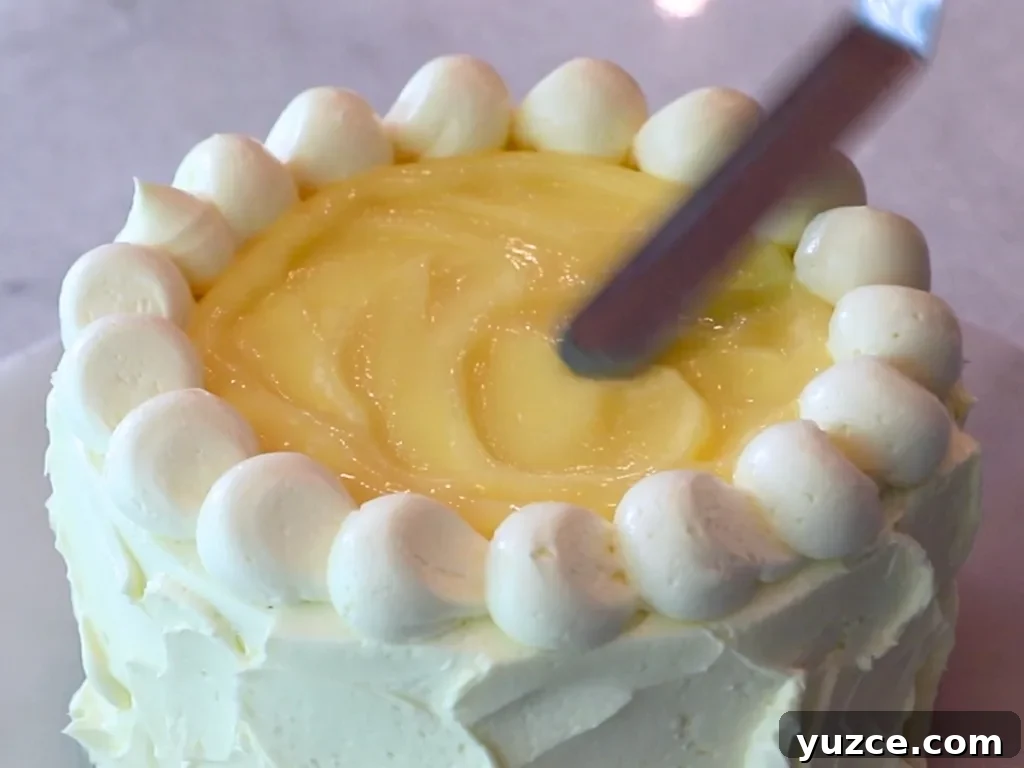
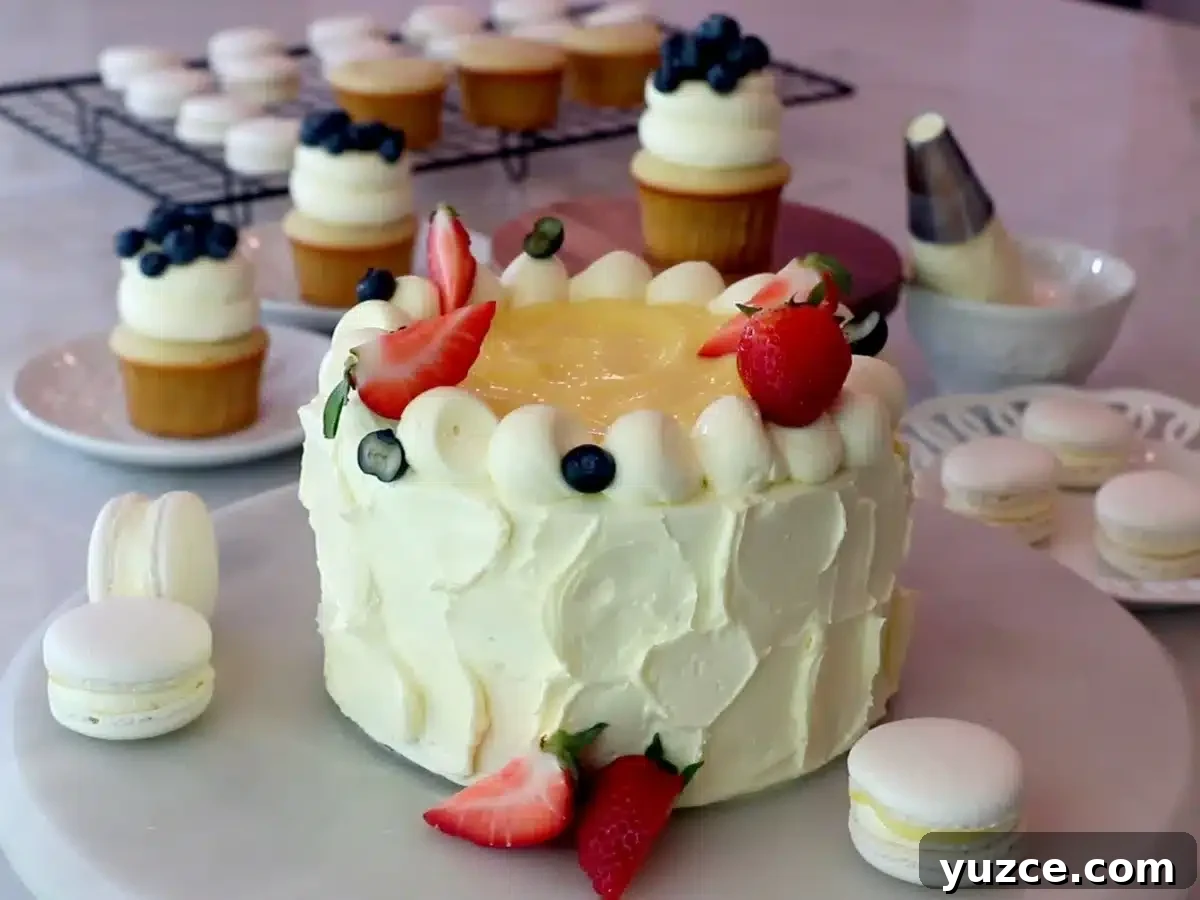
- Cakes: Use it for layer cakes, birthdays, and weddings — it holds structure well.
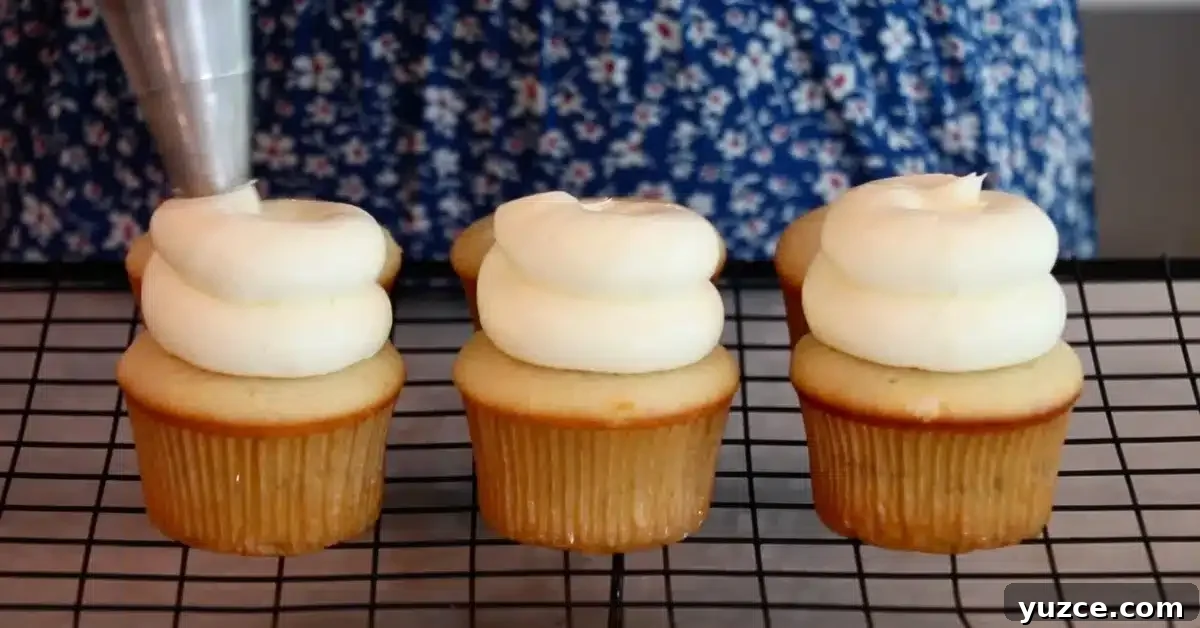
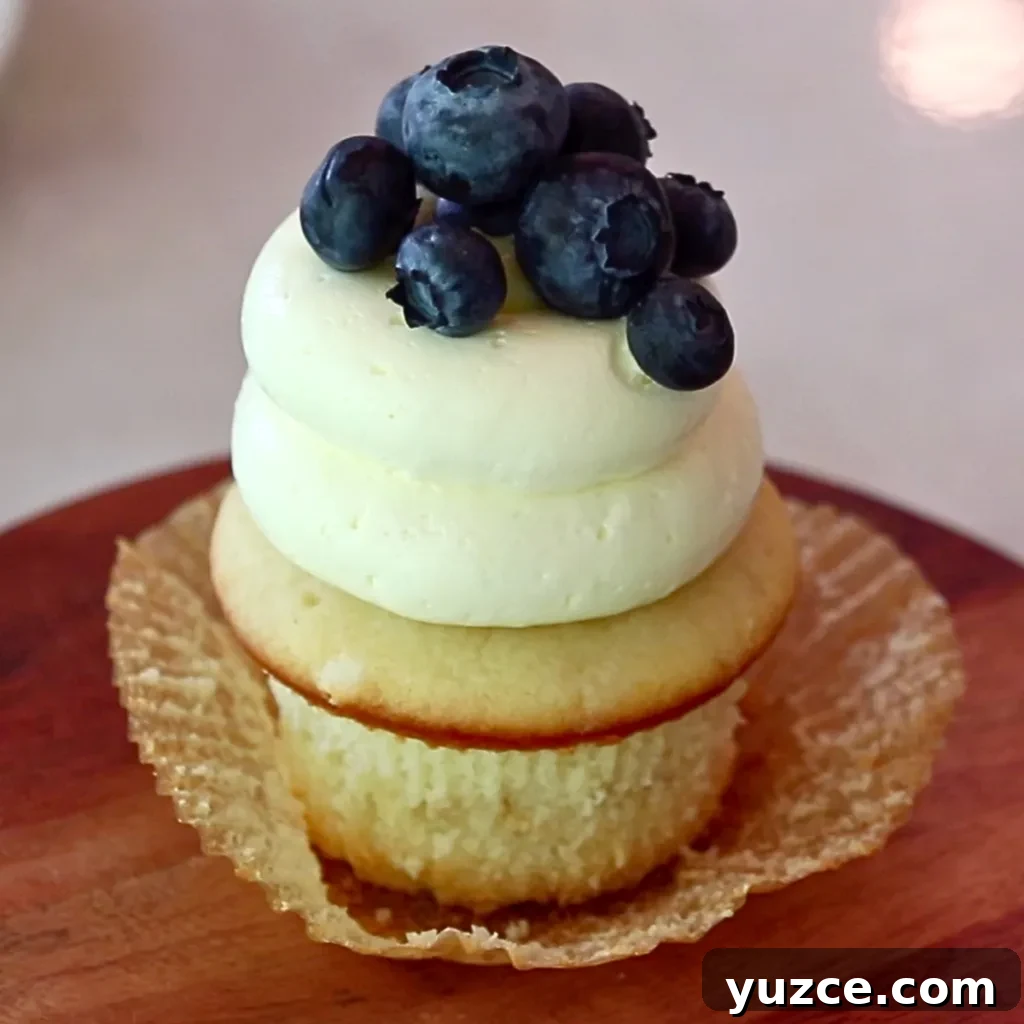
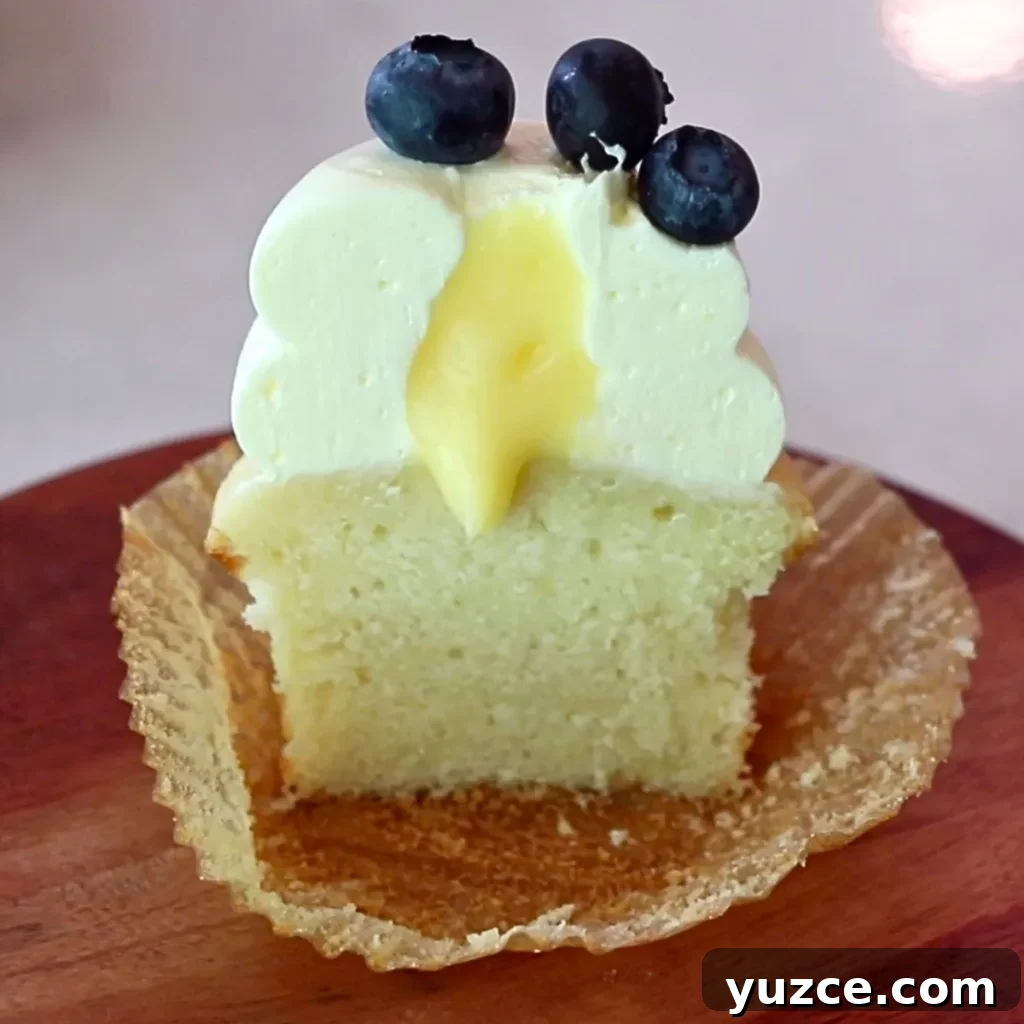
- Cupcakes: Pipe generous swirls and optionally fill the center with lemon curd.
- Cookies: Spread or pipe onto sugar cookies for special treats.
How to Store Lemon Buttercream Frosting
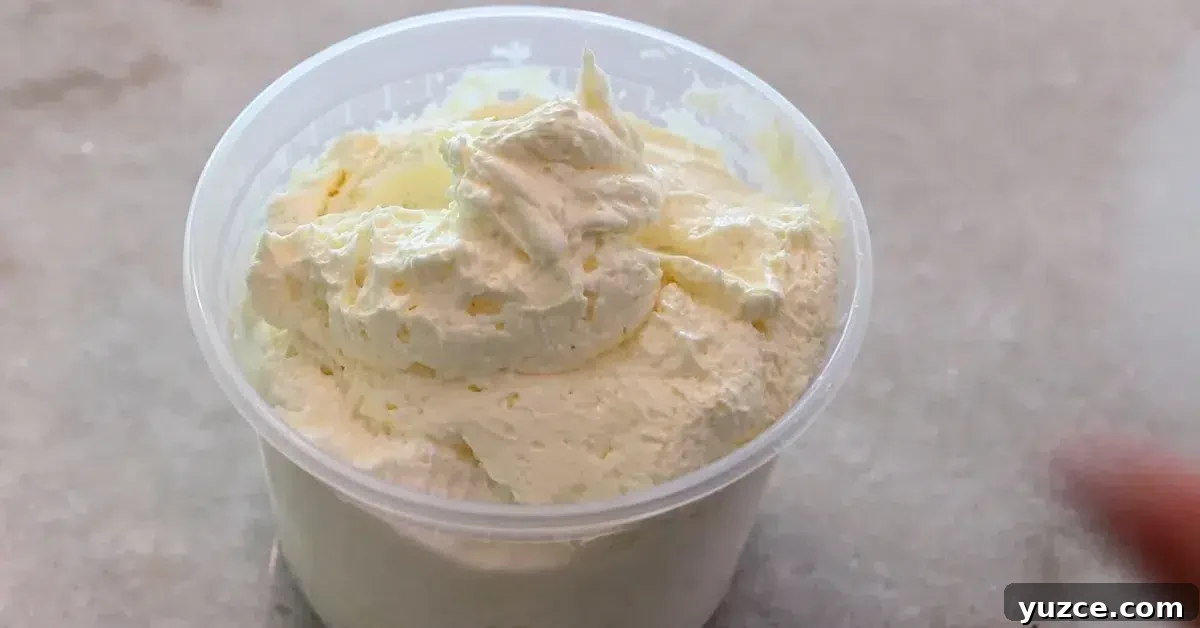
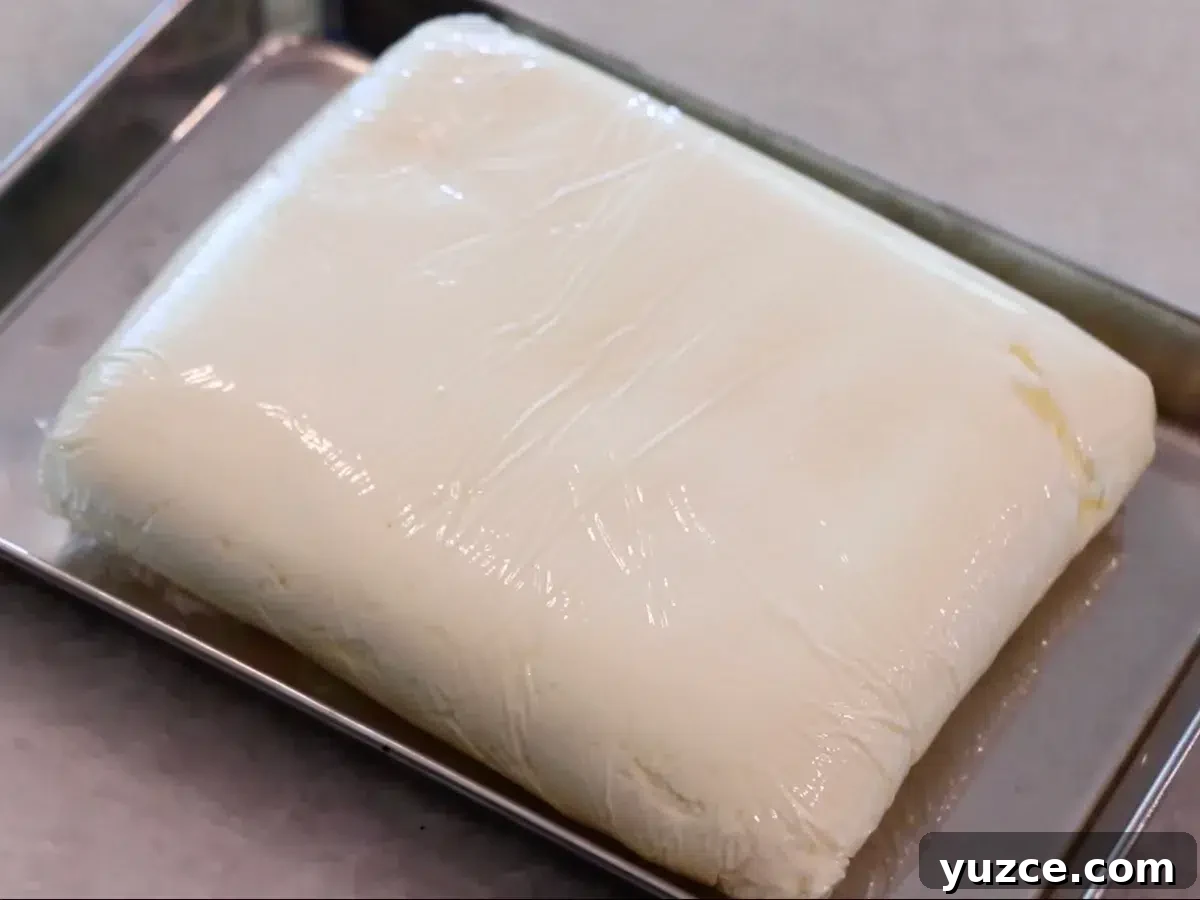
Keep the buttercream in an airtight container. Wrapping it in plastic wrap and trimming the edges lets you place it directly into a piping bag after thawing.
Shelf life: Store in the refrigerator for 4–5 days or freeze for a few months.
How to Thaw It
Buttercream firms when chilled because of the butter. Let it come to room temperature to soften. Thawing time varies with storage temperature, but expect 3–6 hours at room temperature or thaw overnight in the fridge.
Do I need to re-whip the Swiss buttercream?
When made correctly, no re-whipping is necessary. The buttercream should remain stable and ready to use after thawing.
Troubleshooting Tips
Why is the buttercream loose?
Possible causes
- Butter melted because it was added to warm meringue.
- Meringue wasn’t heated to 160ºF (71ºC) or wasn’t whipped properly while hot.
- Oil or liquid contaminated the bowl or tools.
- Meringue was over-whipped and lost volume.
- High room temperature softened the buttercream.
- Added lemon curd was still warm.
Why is my buttercream not smooth?
Possible causes
- Meringue was partially cooked during heating — stir evenly while heating to prevent this.
- Butter was too cold and didn’t incorporate smoothly — use properly softened butter.
In summary, careful attention to temperatures — meringue, butter, and curd — is the key to successful lemon buttercream. Make sure the meringue is fully cooled before adding butter and that curd is chilled before folding in.
More Frosting Recipes
If you enjoy this lemon buttercream, try other fluffy buttercream recipes as well.
- French Buttercream
- Swiss Meringue Buttercream
- Italian Buttercream
- Cream Cheese Frosting
Did you try the recipe?
Share your feedback in the comment section below — I’d love to hear how it turned out for your special occasions.
Thank you! – Aya
Lemon Buttercream Frosting
Pin Recipe
Equipment
Method
Nutrition
Notes
Ingredients
- 50 g (1 egg) whole egg
- 1 egg yolk
- 50 g (¼ cup) granulated sugar
- ½ lemon zest
- 60 g (¼ cup) lemon juice
- 28 g (2 Tbsp) unsalted butter
- 67 g (2 eggs) egg whites
- 100 g (½ cup) granulated sugar
- 226 g (1 cup) unsalted butter, softened
- a pinch of salt
NOTE: For best results, measure ingredients by weight. Gram measurements are preferred; cup measures are provided for convenience.
Equipment
- Small pot
- Zester
- Knife
- Spatula
- Sieve
- Bowl
- Stand mixer with whisk attachment (or hand mixer)
Method
- Make a half batch of homemade lemon curd and chill it. (Recipe scaled for half batch.)
- Chill the curd in the refrigerator while you prepare the buttercream.
- Heat egg whites and sugar in a water bath while stirring until the mixture reaches 160ºF (71ºC).
- Immediately whip the hot mixture on high speed in a stand mixer with the whisk attachment. Continue whipping while it cools, reducing speed as needed, until the meringue is completely cool.
- Add room-temperature butter and a pinch of salt to the cooled meringue and whip, scraping the bowl to combine.
- Add cold lemon curd and whip until fully incorporated and smooth.
Notes
Storage
Store the buttercream airtight in the refrigerator for 4–5 days or freeze for a few months. Wrapping it in plastic wrap lets you trim the edge and pipette directly from the wrap after thawing.
Nutrition
Carbohydrates: 26 g
Protein: 7 g
Fat: 39 g
Tried this recipe?
Let us know how it went!