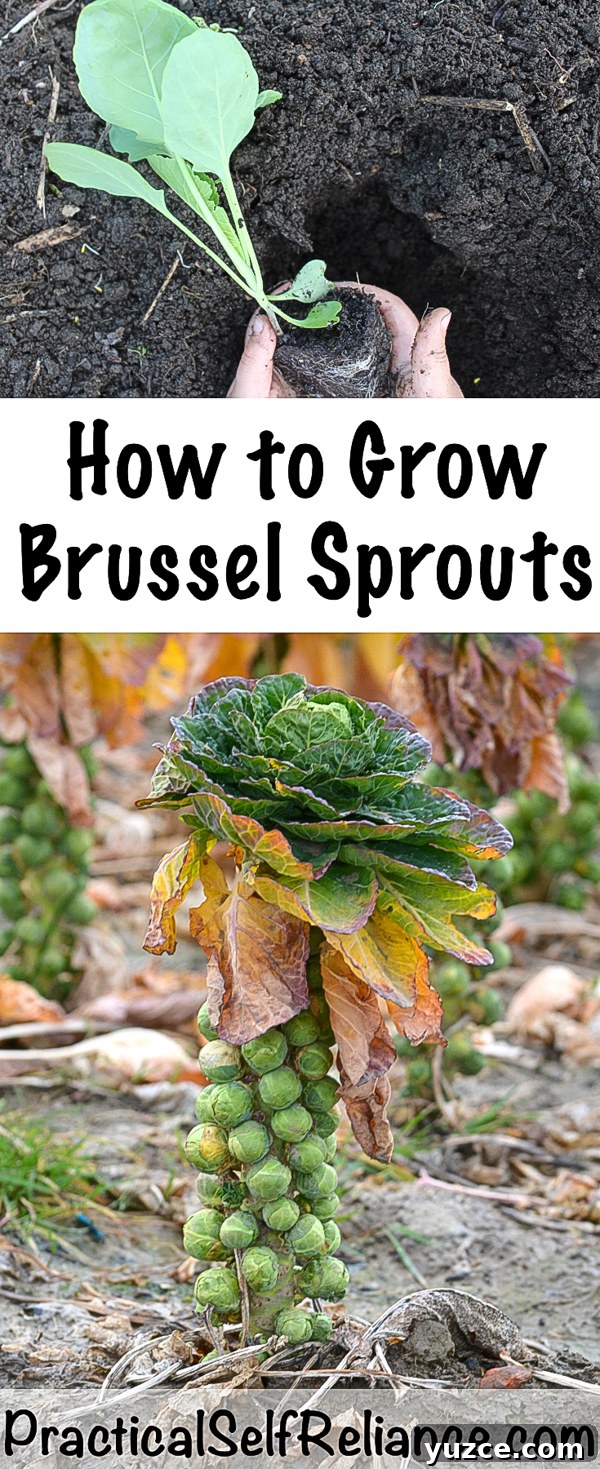
I never ate Brussels sprouts as a child. My parents rarely cooked fresh vegetables—mostly canned corn or green beans—and only on special occasions would my mother buy asparagus. It wasn’t until college, when a friend introduced me to roasted sprouts, that I discovered how tasty they can be. From that moment I started growing Brussels sprouts in my garden every year.
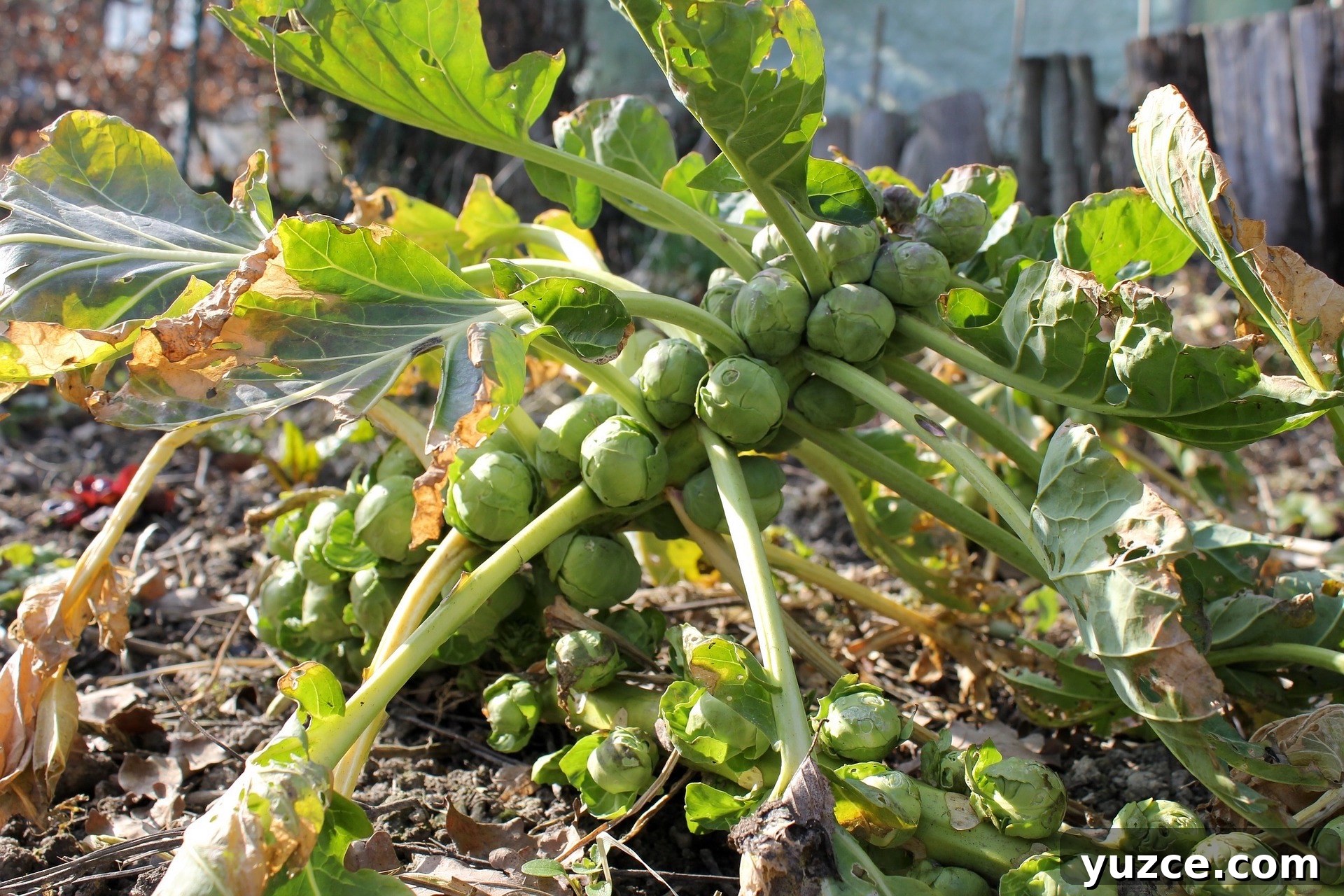
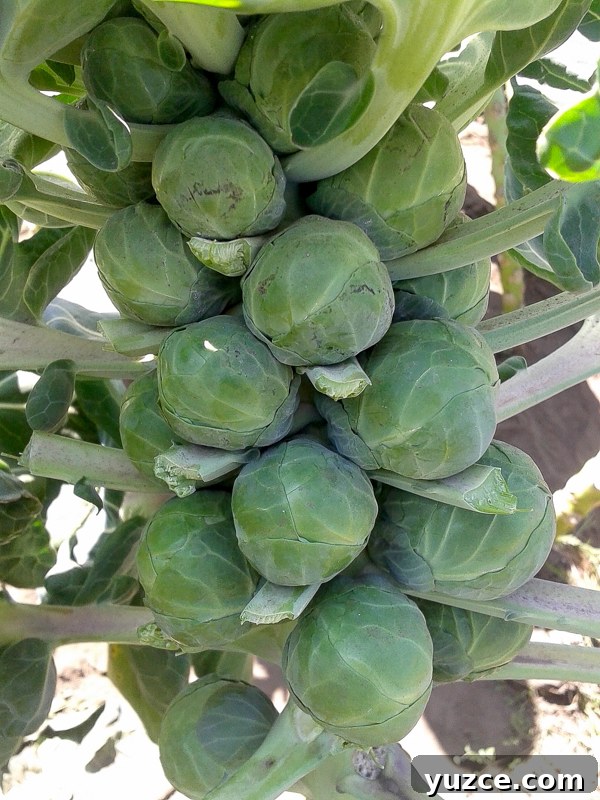
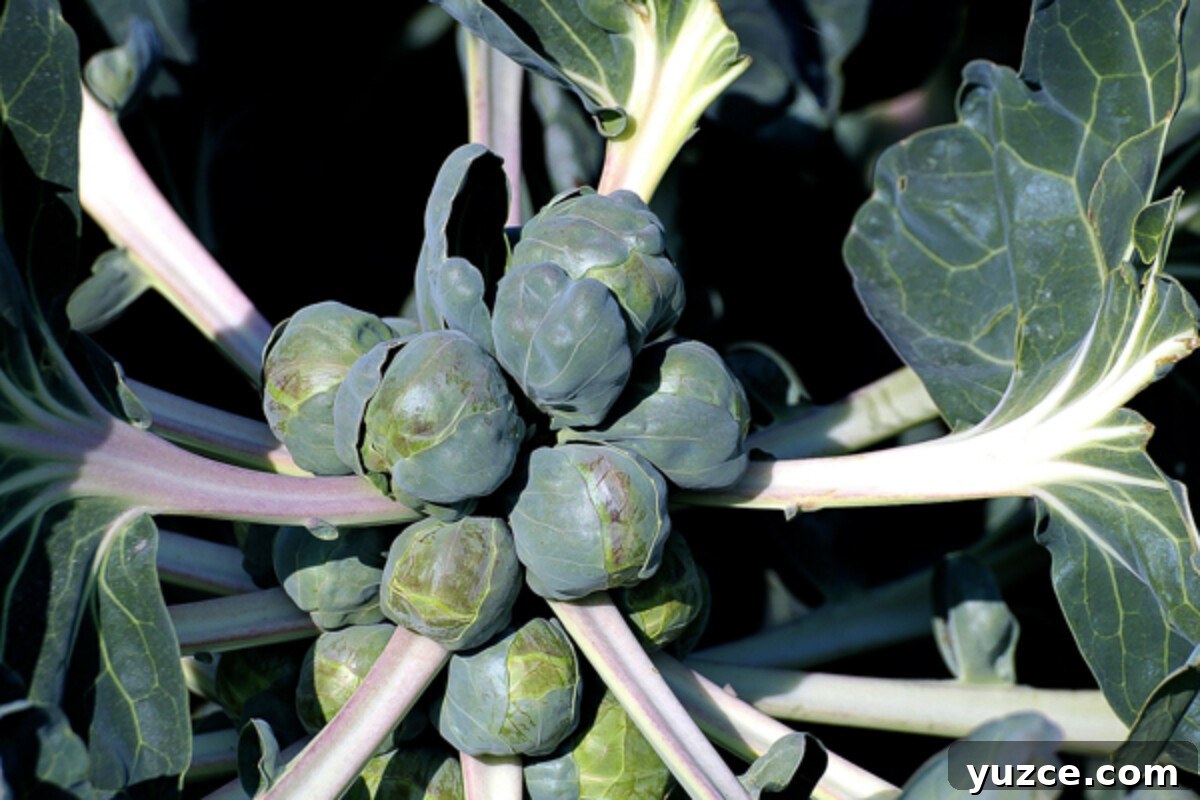
Brussels sprouts are part of the cabbage and kale family, essentially a different form of the same species with their own flavor and growth habit. Like kale, each plant produces a central stalk and sturdy, cold-hardy leaves. At each leaf junction a small cabbage-like head forms—that’s the sprout you harvest.
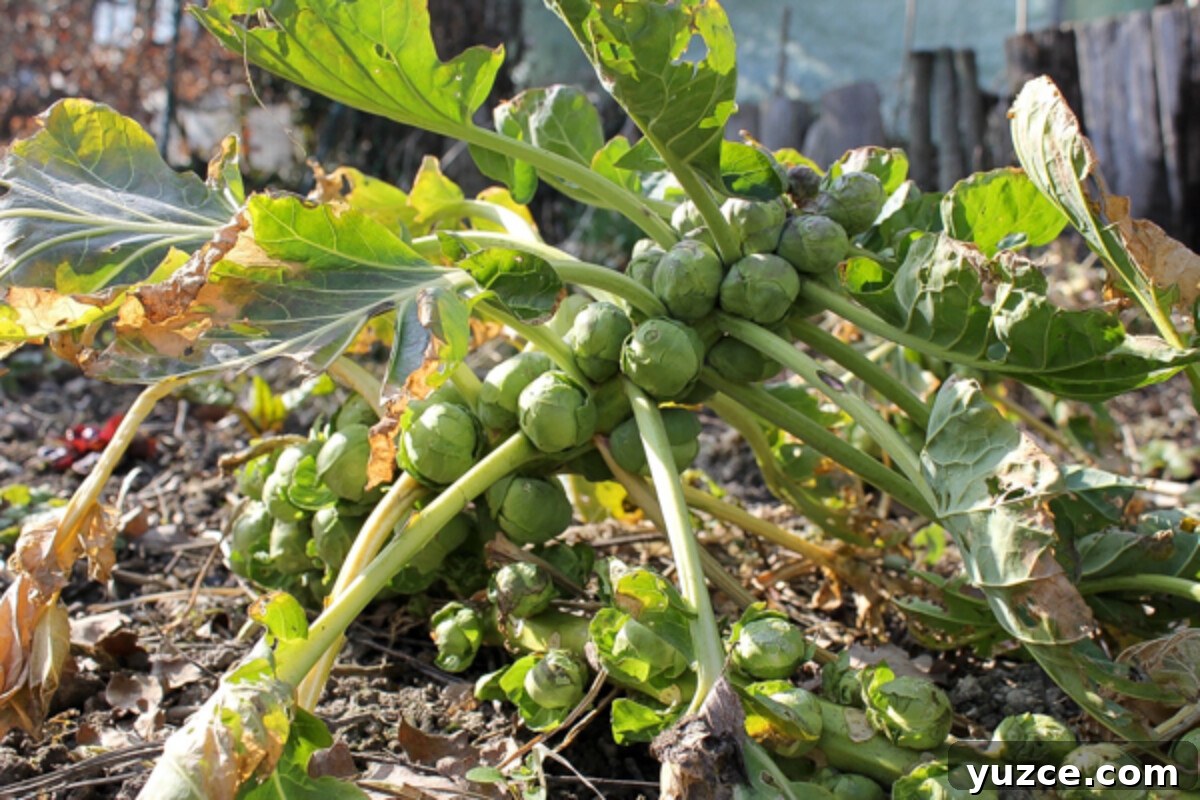
Brussel Sprout Varieties
Most Brussels sprout seeds sold today are hybrids; true heirloom varieties are less common. If you don’t plan to save seed, hybrids are a reliable and easy-to-grow choice. Seed savers should seek out heirloom types to preserve older varieties. There are currently no commercial GMO Brussels sprout varieties, so typical seed packets will be non-GMO.
Heirloom Brussels Sprout Varieties
- Long Island Improved – (about 90 days) A classic heirloom from the late 1800s known for heavy yields and good flavor; still a popular choice for home growers.
- Catskill – (about 100 days) An open-pollinated variety developed in the 1940s with sturdy stalks and large sprouts, often up to 2 inches across; good for freezing.
- Groninger – (about 105 days) A forgiving choice for beginners that performs well in variable weather; tight-headed sprouts with a delicate flavor that improve after frost.
- Red Rubine – (about 90 days) A red heirloom that adds color to the garden and plate; prefers cool weather for best sweetness and can be a bit particular.
- Falstaff – (about 102 days) A reliable red/purple variety with bluish-purple veins and leaf tips; color deepens after frost and sprouts tend to be smaller than green varieties.
Hybrid Brussels Sprout Varieties
- Hestia Hybrid – A versatile variety marketed for both heat and cold tolerance; holds well in the field and performs reliably in many conditions.
- Octia Hybrid – (about 78 days) Early-maturing with dark leaves and tightly packed heads; good for shorter growing seasons.
- Mighty Hybrid – (about 100 days) A dependable producer of roughly 1-inch sprouts.
- Dimitri Hybrid – (about 100–110 days) One of the easier hybrids to grow and harvest; does not require topping before harvest.
How to Plant Brussel Sprouts
After choosing a variety, time your planting to match your climate. In short-season regions, start seeds indoors in potting mix and transplant outdoors in spring. For fall and winter production in warmer areas, plant in autumn and grow through the cool months to harvest in early spring. Brussels sprouts prefer cool temperatures—ideally around 60–65°F—and often taste best after a light frost.
If starting indoors, sow seedlings four to six weeks before you plan to transplant. In colder climates where frost sweetens the sprouts, starting indoors is the most reliable way to finish a crop before the season ends.
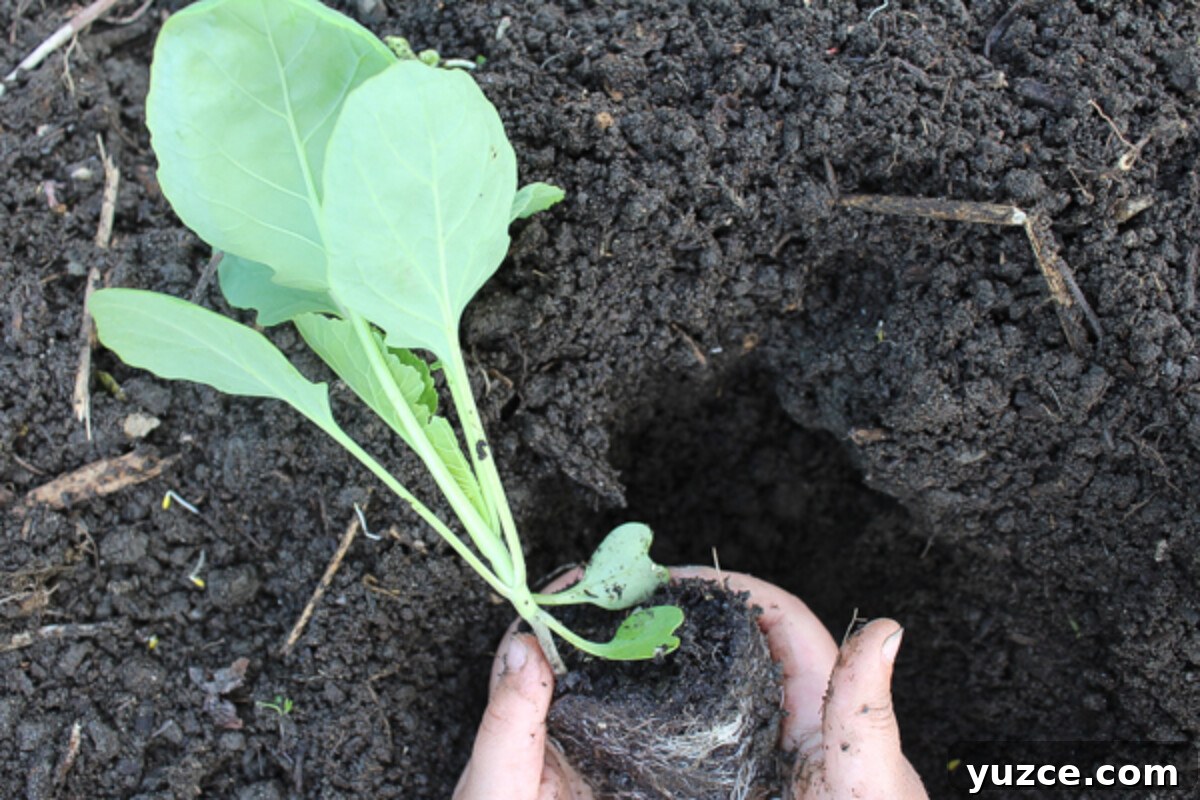
Transplanting Brussels Sprout Seedlings
Transplant seedlings about two weeks before your last expected frost date, after hardening them off for a week to minimize transplant shock. Avoid starting them so early that they become pot-bound—stunted roots signal the seedlings stayed in containers too long.
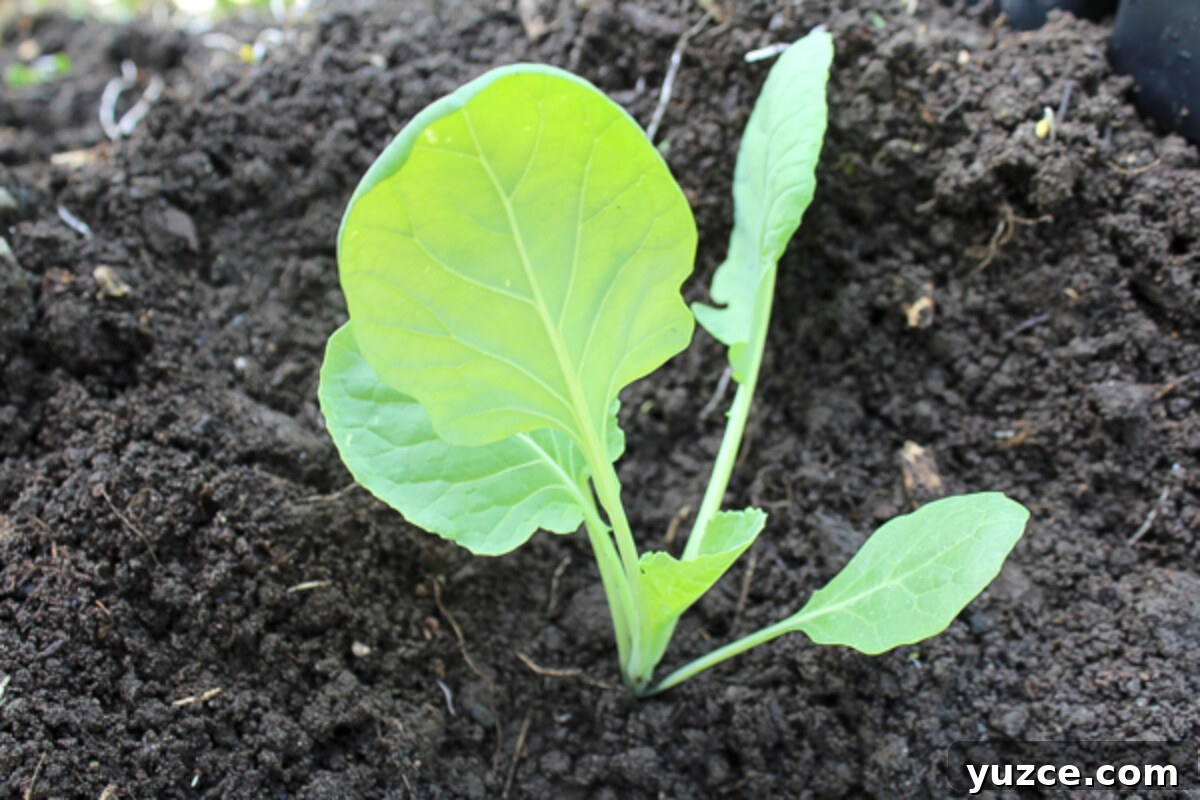
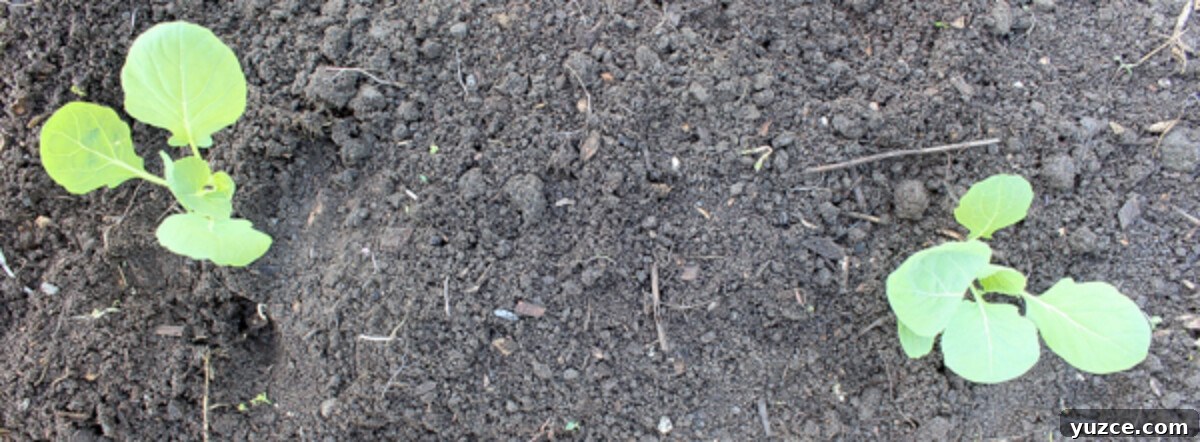
Set transplants into loose, well-prepared soil and gently firm around the roots—do not compact the soil. Space plants about two feet apart in rows. Young transplants will appear sparse at that spacing, but they will need the room as they mature.
How to Grow Brussel Sprouts
Brussels sprouts thrive in well-drained soil and need consistent moisture. Unlike many plants, brassicas tolerate wet leaves, so water freely to keep plants healthy. The waxy leaf coating helps shed water and reduces some fungal risks.
Avoid excessive nitrogen, which can encourage rapid leafy growth at the expense of strong stems and good sprout development. A modest dressing of well-rotted compost is usually sufficient fertility for healthy plants.
Growing Brussel Sprouts in Containers
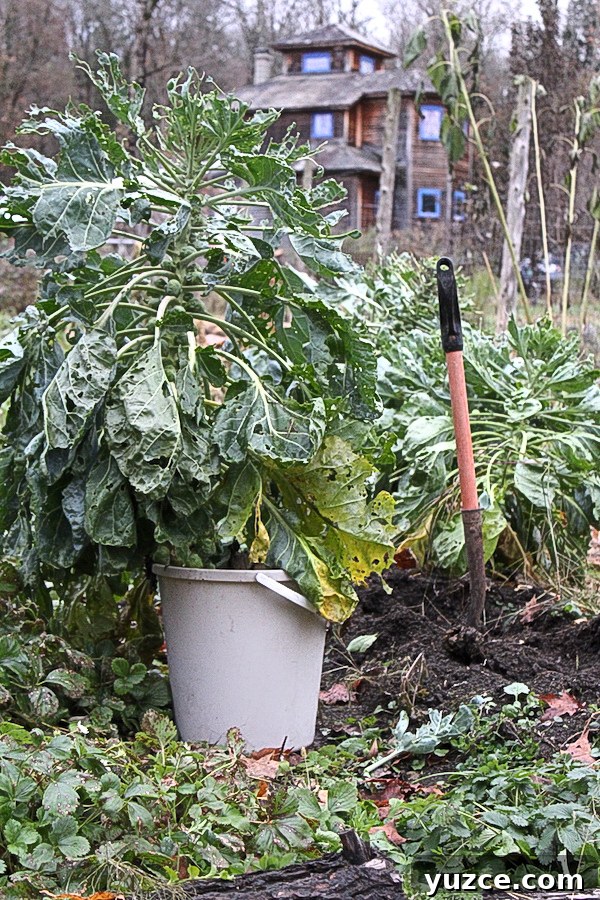
Brussels sprouts will grow in containers if given enough room. Choose a pot at least 12 inches wide with a minimum of 12 inches of soil depth; nursery tree pots or a 5-gallon bucket work well. Container-grown plants are convenient for season extension: you can move pots into a cool indoor space or root cellar and continue harvesting into winter.
If you started plants in the ground, you can dig them up after a few hard frosts, pot them with roots intact, and move them indoors to ripen more sprouts. Container-grown plants can continue producing into January in many climates.
Harvesting Brussel Sprouts
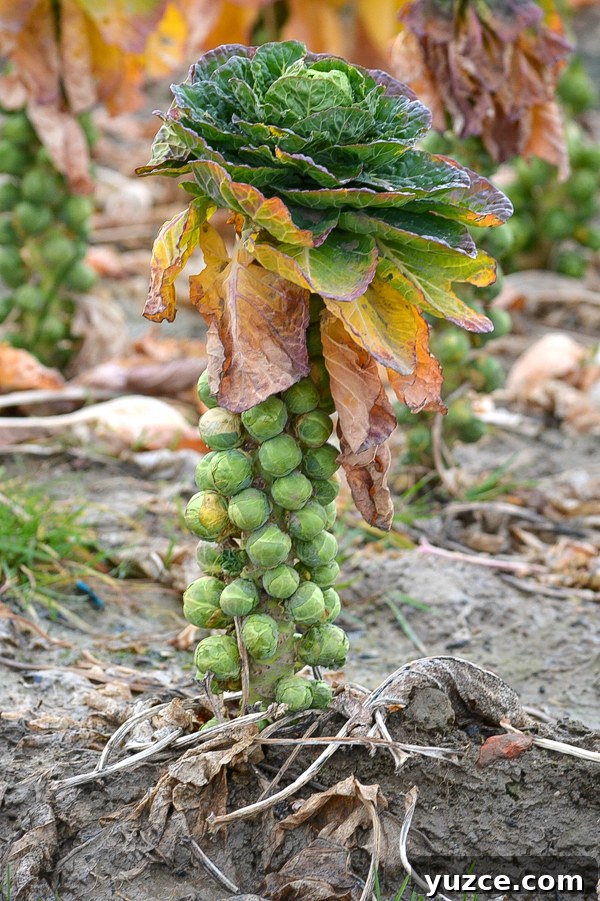
Sprouts mature from the bottom of the stalk upward and can be harvested progressively. Smaller sprouts have a delicate flavor; larger ones taste more cabbage-like and can become bitter if oversized. Aim for a balance—many gardeners begin harvesting when sprouts are at least the size of large marbles and adjust based on taste and yield preferences.
To harvest, remove the leaf below the sprout and either cut or pull the sprout from the stalk. Typical yields vary, but a single healthy plant often produces about a quart of mature sprouts, depending on harvest size and timing. The leaves are edible like other brassica greens and removing some can encourage more sprout production.
Some growers “top” plants late in the season—removing the top of the stalk encourages the plant to direct energy into forming and maturing sprouts. If plants produce early and there is still season left, keep them in the ground after harvesting; a second flush of sprouts may develop.
Root Cellaring Brussel Sprouts
In late fall you can dig whole plants and pot them for storage in a cool root cellar, extending the harvest for weeks and allowing fresh sprouts through holidays like Thanksgiving and Christmas. Once harvested, sprouts will typically keep for one to two months in the refrigerator or a cool storage area; watch for mold or mildew on outer leaves. Root cellaring books and resources are useful if you plan long-term cold storage of sprouts or other vegetables.
How to Cook Brussels Sprouts
Good cooking makes a big difference—do not overboil Brussels sprouts. Boiling can leach flavor and create a mushy, bitter result. Roasting is my favorite: halve the sprouts, toss with olive oil and a splash of balsamic, and roast at 400°F for about 20 minutes until crisp and caramelized. The balsamic adds sweetness and balance.
There are many delicious and creative ways to prepare Brussels sprouts. Below are recipe ideas to inspire you—everything from spicy glazed preparations and fermented sprouts to salads, tacos, and comforting roasted combinations.
Unique Brussels Sprout Recipes
- Bang Bang Brussels Sprouts with Sriracha and sweet chili sauce
- Probiotic fermented Brussels sprouts
- Brussels sprout tacos
- Brussels sprouts and bacon pizza
- Brussels sprouts hash with bacon and poached eggs
- Brussels sprouts mac and cheese
- Polenta breakfast with Brussels sprouts and sausage
Roasted Brussels Sprouts Recipes
- Lemon garlic roasted Brussels sprouts
- Crispy Asian-glazed Brussels sprouts
- Roasted Brussels sprouts with balsamic and pomegranate glaze
- Roasted Brussels sprouts with butternut, pecans, and dried cherries
- Teriyaki-glazed Brussels sprouts
- Oven-roasted garlic Brussels sprouts
- Maple-balsamic roasted Brussels sprouts
- Roasted Brussels sprouts with apples, caramelized onions, and pistachios
- Roasted Brussels sprouts with peanut-miso dip
Brussels Sprouts Salads
- Cranberry and Brussels sprout salad
- Shredded Brussels sprout salad
- Paleo roasted Brussels sprout salad
- Shaved Brussels sprouts with Parmesan, walnuts, and lemon-mustard dressing
- Roasted radish and Brussels sprouts salad
- Brussels sprouts and berry salad