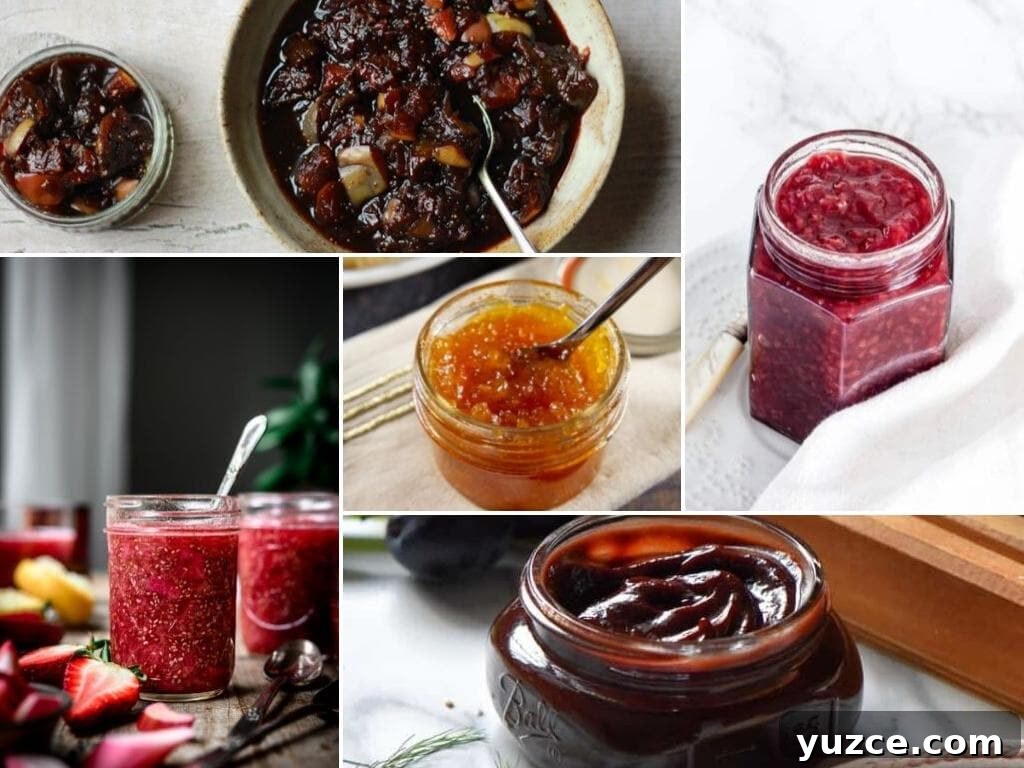
As a frequent home canner and maker of jams and jellies, I thought it was time for another cooking guide. In this guide I’ll explain the different types of fruit preservation—from the difference between jam and jelly to what sets other homemade fruit preserves apart.
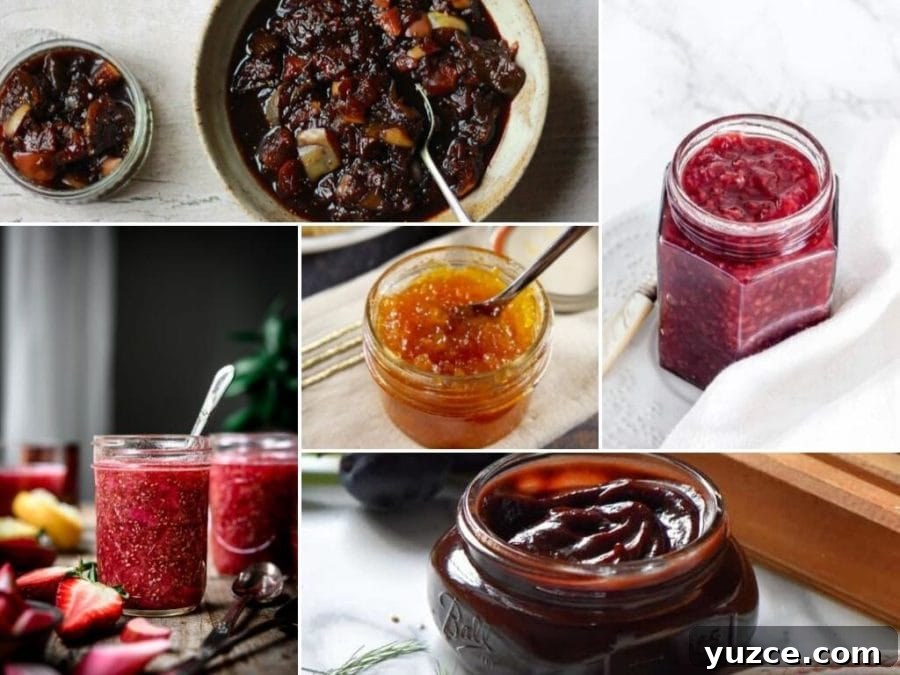
I grew up with homemade jams and jellies, and as I share recipes I often get asked: what exactly is the difference between jam and jelly? What about preserves, compotes, chutneys and marmalade? There are many methods for preserving fruits and vegetables, and each one has its own character and uses.
Read on to learn the distinctions between them, find recipe inspiration, and decide which methods suit your taste and pantry. I’ve also included notes on water bath canning to help your creations keep for months.
A Word on Pectin
Pectin is a natural carbohydrate found in many fruits and vegetables that, when combined with sugar and acid, thickens a cooked mixture. Levels vary widely by produce and are usually concentrated in skins, seeds, and cores. As fruit ripens, its pectin declines.
Fruits high in natural pectin, like apples and citrus, often don’t need added commercial pectin to set. Low-pectin fruits require either commercial pectin, homemade pectin, or a large amount of sugar to gel. There are many pectin types; I prefer powdered (dry) pectin over liquid. Regular pectin works well for most jams and jellies, and low- or no-sugar pectin options can reduce sugar while still achieving a good set.
Pectin shortens cooking time, which helps preserve a fresher fruit flavor—use it when you want a quicker set. For charts that show pectin levels in different fruits, consult reliable pectin references.
Fruit Spreads
Let’s start with the basics: the differences between jam, jelly, and other fruit-based spreads.
Jam
Jam is one of the simplest and most approachable forms of fruit preservation, ideal for beginners. It’s made from finely chopped, crushed, or mashed fruit cooked with sugar. Many fruits have enough natural pectin to set without added pectin, while low-pectin fruits like strawberries may benefit from it.
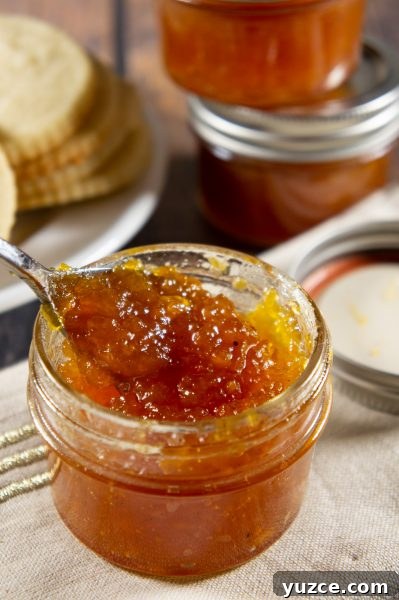
The final thickness of jam depends on how long you cook it: shorter cooking gives a looser spread; longer cooking yields a firmer set. Adjust to your preference.
Some delicious jam ideas
- Homemade Strawberry Jam
- Small Batch Loquat Jam
- Rosewater Raspberry Jam
- Wild Plum Jam
- Rhubarb Jam with Orange and Ginger
- Hot Pepper Jam
- Carrot Jam
- Pomegranate Cranberry Jam
- Cherry Vanilla Jam
- Strawberry Watermelon Jam
- Chunky Cherry Jam
A Note on Chia Seed Jam
Chia seeds gel when hydrated and can thicken fruit mixtures without pectin or much sugar. Chia-jam recipes with only three ingredients (fruit, sweetener, chia seeds) are popular for quick, healthy spreads. They’re not traditional, but they’re a useful option for low-sugar preserves.
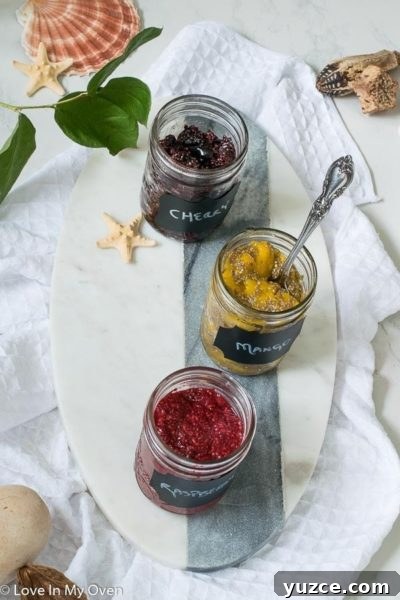
Jelly
Jam and jelly start similarly—fruit cooked with sugar and sometimes acid—but jelly is clarified to produce a clear, firm spread. Traditional jelly-making often involves cooking the fruit, then draining the mixture in a jelly bag to extract clear juice without pressing, which keeps the jelly from turning cloudy.
That strained juice is cooked again, usually with added pectin, until it forms a glossy gel that quivers lightly when set. The jelly bag method can take many hours or more, so some cooks extract juice by crushing or blending and then straining before cooking with pectin and sugar. The end result should be clear, free of fruit chunks or rinds, and shiny.
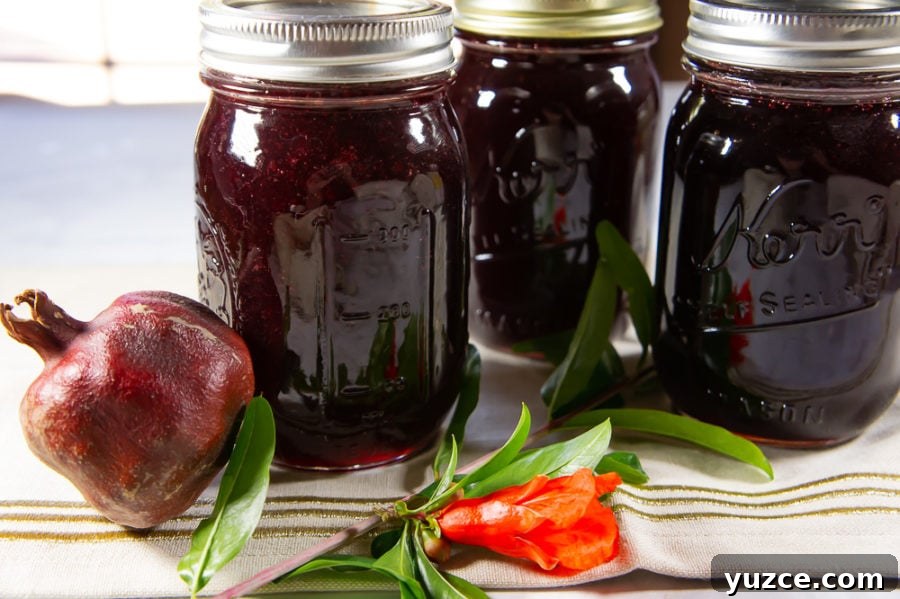
Jelly recipe ideas
- Pomegranate Jelly
- Nanking Cherry Jelly
- Prickly Pear Jelly
- Peach Jelly
- Apricot Jelly
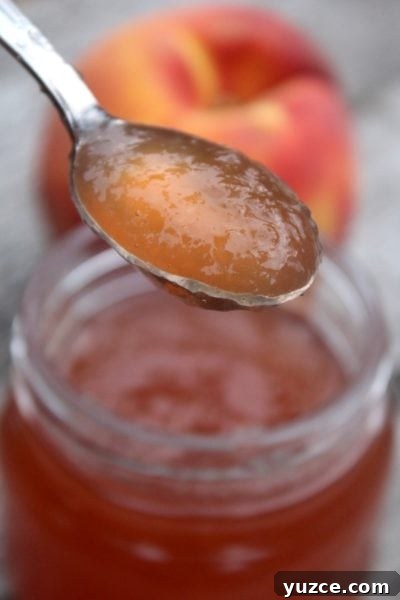
Butters
Fruit butters are smooth purees of fruit cooked slowly with sugar until most of the liquid evaporates, producing a dark, thick, and creamy spread. They often take longer to make than other spreads, but slow cooking concentrates flavor and yields a rich, spreadable result. Many fruit butters can be made in a slow cooker for an easy, hands-off process.
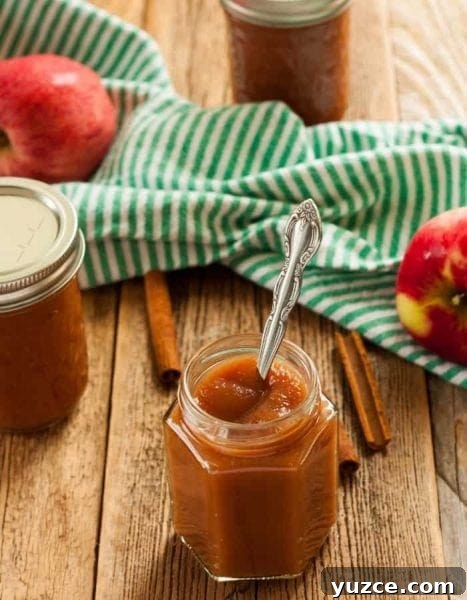
Fruit butter ideas
- Maple Pumpkin Butter
- Slow Cooker Apple Butter
- Slow Cooker Plum Butter
- Slow Cooker Crabapple Butter
- Pear Butter with Citrus and Spices
- Strawberry Honey Butter
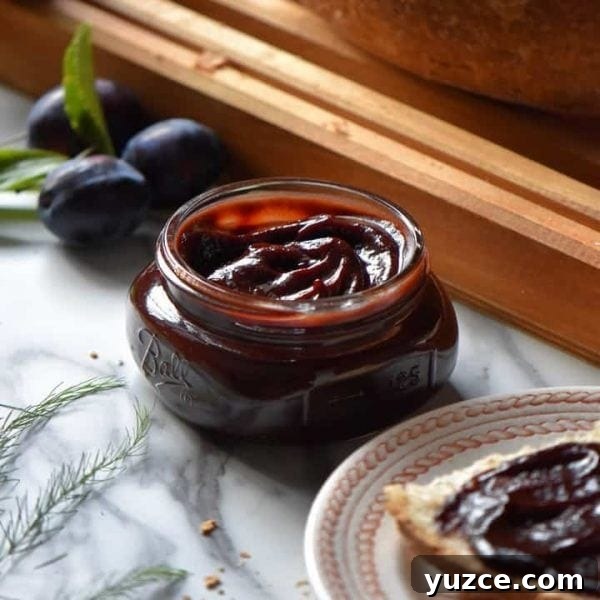
Preserves
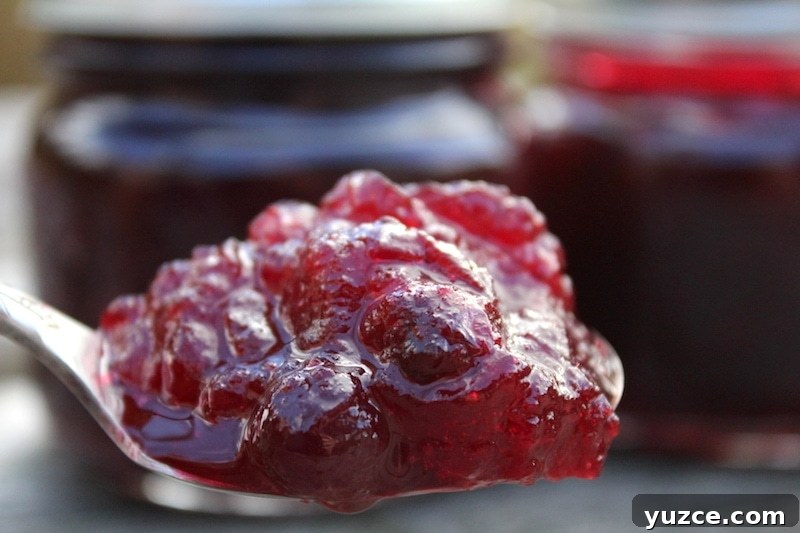
Preserves typically feature whole or sliced fruit suspended in a thick syrup. Unlike jam, where fruit is crushed, preserves showcase the shape and texture of the fruit. Syrups are often infused with the same fruit and sometimes enhanced with spices, liqueurs, or spirits to deepen flavor.
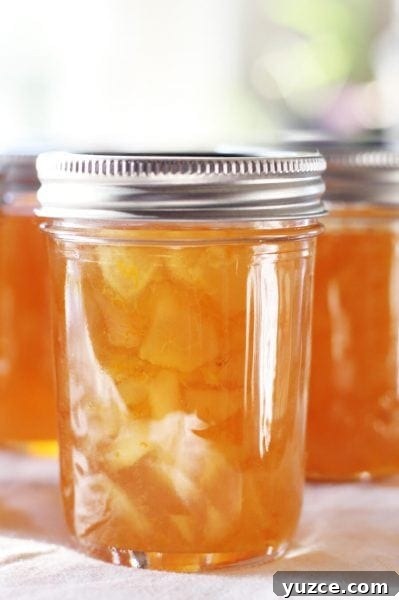
The word “preserves” can also be used broadly to describe the whole category of fruit spreads, which can be confusing. In this context, preserves describe that particular style with intact fruit pieces.
Preserve ideas to try
- Citrus and Ginger Pear Preserves
- Canned Whole Berry Cranberry Sauce
- Mango Preserves
Marmalade
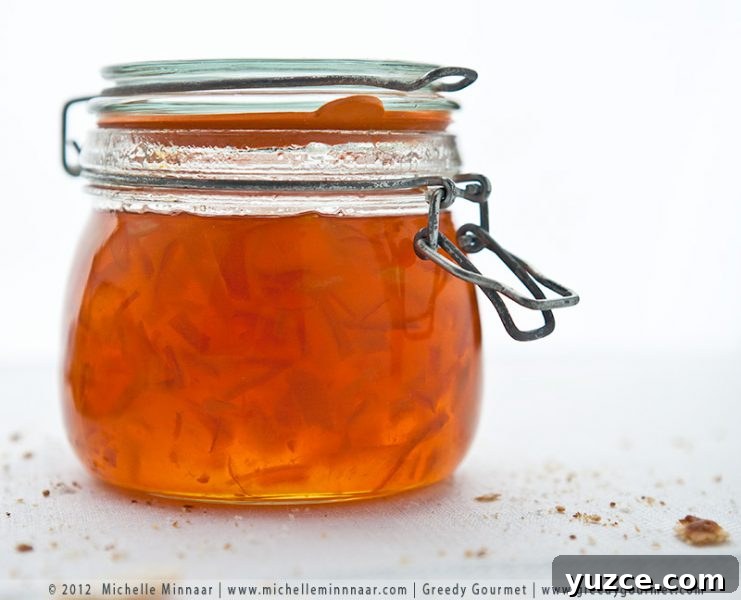
Marmalade is a citrus-based jelly that suspends softened pieces of citrus zest in a gelled juice. Made from lemons, oranges, grapefruits, or blends, marmalades rely on the high pectin content in citrus peels and seeds. They can be flavored with spices or spirits for complexity and make wonderful gifts.
Marmalade ideas
- Pink Grapefruit Marmalade
- Seville Orange Marmalade
- Spiced Kumquat Marmalade
Conserves
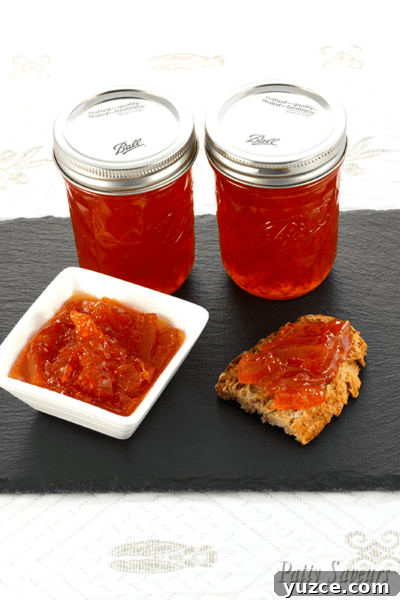
Conserves are chunky, often multi-fruit spreads that may include nuts, dried fruit, and spices. They are less common in grocery stores but prized for their complex textures and flavors. Conserves make excellent gifts and pair beautifully with cheese plates.
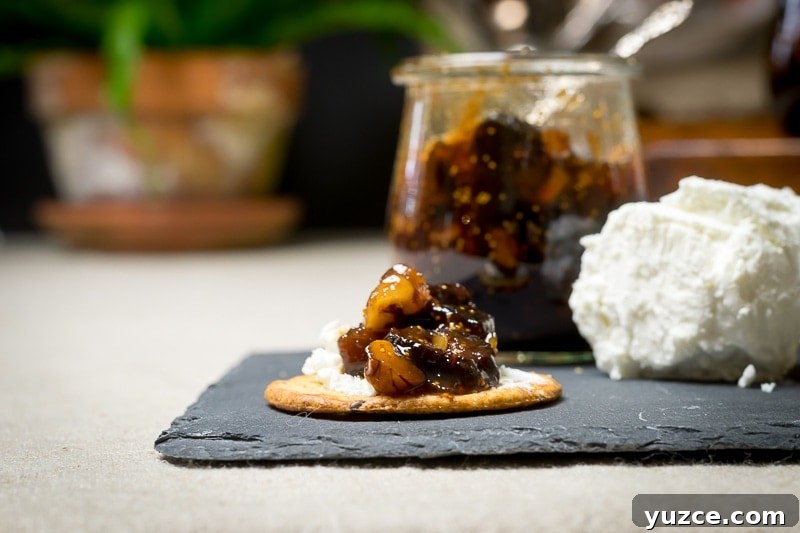
Two conserve inspirations: spiced cranberry conserve and meyer lemon with dried fig conserve—both rich, textured, and full of personality.
Compotes
Compotes are cooked fruit—whole or in chunks—cooked with water, wine, or juice plus sugar and a little acid until they release juices and form a loose syrup. They are not cooked to a gel like jam, and the fruit remains in the syrup rather than being removed and returned. Compotes are looser, less sticky, and great as toppings for pancakes, yogurt, or ice cream.
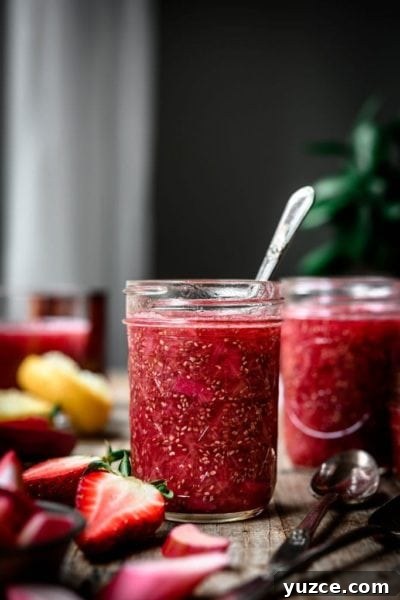
Compote ideas
- Chia Berry Compote
- Quick and Easy Blueberry Compote
Savory Preserves
Preserving isn’t limited to sweet spreads. Savory preserves add depth to meals and complement cheeses, meats, and grain dishes. Two common savory styles are chutneys and pickles.
Chutney
Chutney is a chunky, coarse preserve combining fruit, spices, and often vinegar. Unlike sweet fruit spreads that rely mainly on sugar for preservation, chutneys frequently use vinegar to balance sweetness and extend shelf life. They pair well with savory dishes and cheese boards.
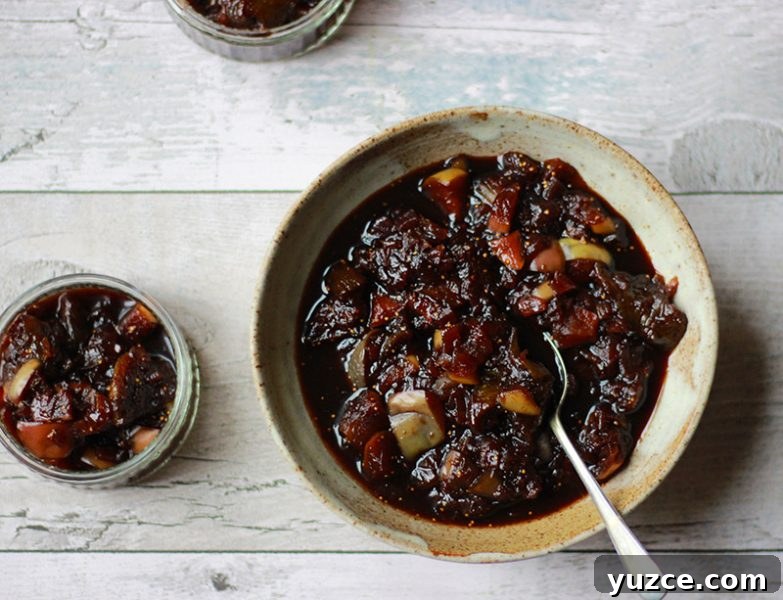
Chutney ideas
- Apricot, Sweet Pepper and Thyme Chutney
- Fig, Apple, Balsamic Chutney
- Honey Bourbon Cranberry Chutney
- Spicy Rhubarb Chutney with Raisins
Pickles
Pickling combines fruits or vegetables with a brine made from vinegar (or another acid), salt, and seasonings. Many items pickle beautifully—carrots, radishes, jalapeños, blueberries, even pineapple—and pickles can range from sweet to sour to spicy.
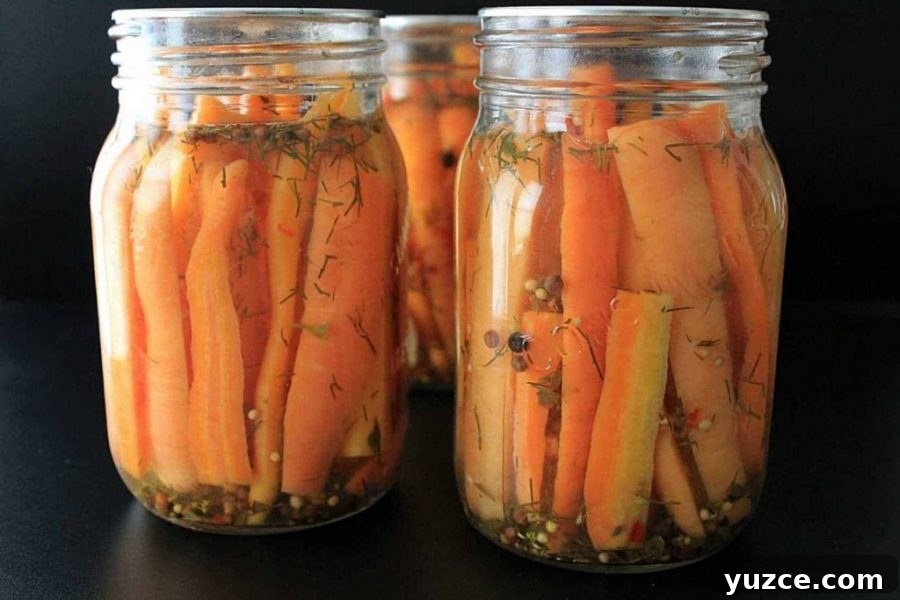
Pickle ideas
- Dill Pickles
- Bread and Butter Pickles
- Half-Sour Pickles
- Pickled Blueberries
- Pickled Jalapeños
- Piccalilli (English-style pickle)
- Spicy Dill Pickled Carrots
- Sweet Vinegared Radish Pickle
- Pickled Pineapple
How to Use Fruit Spreads and Savory Preserves
There are countless ways to enjoy these preserves. A few simple ideas:
- Top pancakes, waffles, scones, biscuits, or toast.
- Glaze meats or roasted vegetables.
- Pair with cheese and crackers for an appetizer.
- Use as fillings for pies, tarts, or pastries.
Homemade preserves let you enjoy seasonal flavors year-round and make thoughtful, delicious gifts.
Preserving Your Fruit Preserves
To keep your preserves safe and flavorful, proper sealing and storage are essential. You can freeze most fruit preserves—leave at least 1 inch of headspace for expansion and they’ll keep about a year.
Freezer jam is another no-cook option if you prefer to store jars in the freezer. If you want shelf-stable jars, follow a reliable water bath canning method to ensure safe long-term storage.
Knowing exactly what you want to make—jam, jelly, butter, conserve, or something savory—helps you achieve the right texture and flavor. Homemade preserves usually offer better flavor and texture than many store-bought versions, and they’re a joy to share.
I hope this guide inspires you to try some of these techniques and recipes. Happy preserving and happy eating!
Recommended tools…
Basic tools for home preserving include a water bath canner, jars and lids, a jar lifter, a funnel, a wide-mouth pot for cooking fruit, and a good spatula or ladle. These make the process safer and easier.