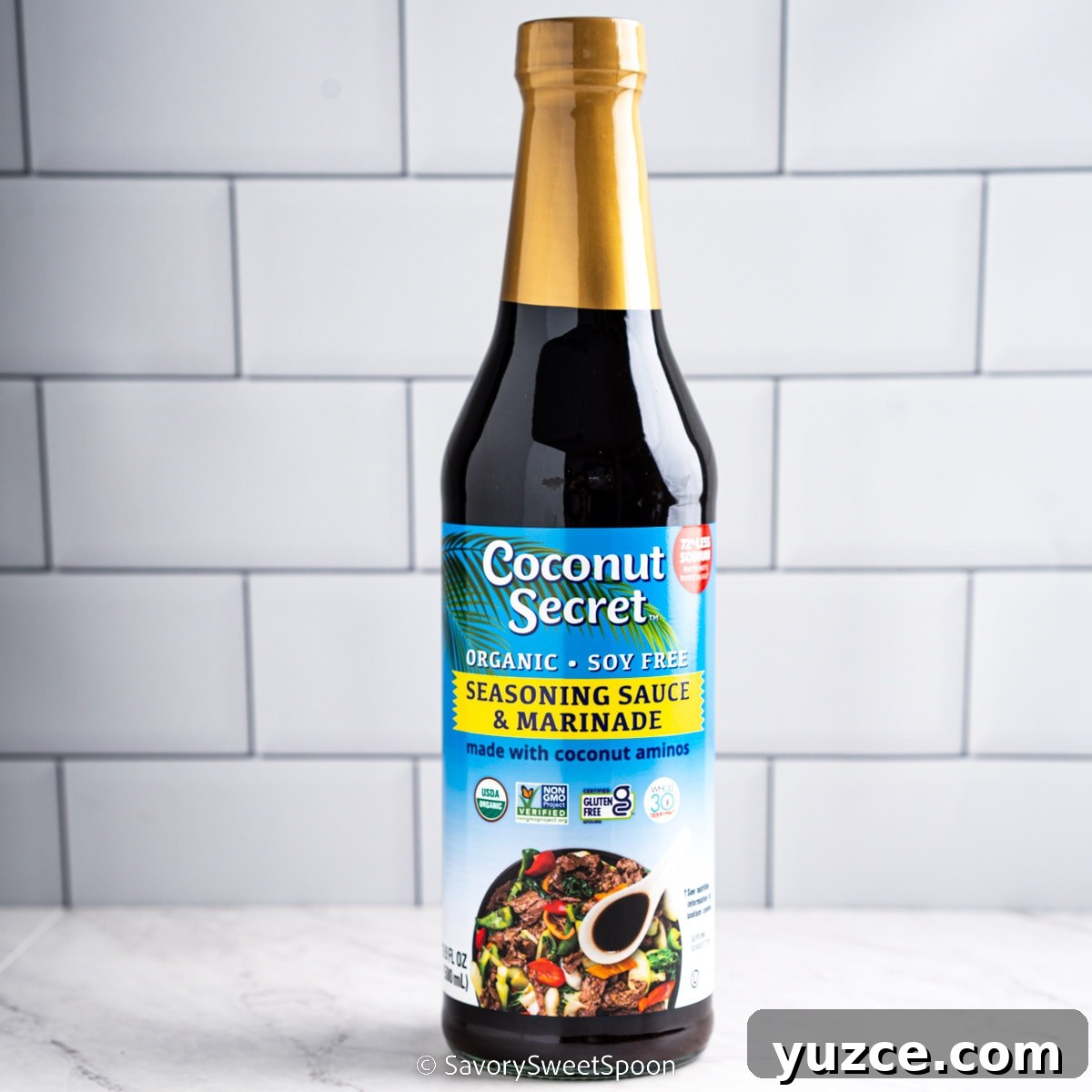
If you can’t find coconut aminos or want alternative options, this guide lists the six best substitutes and explains how to use them effectively in your cooking.
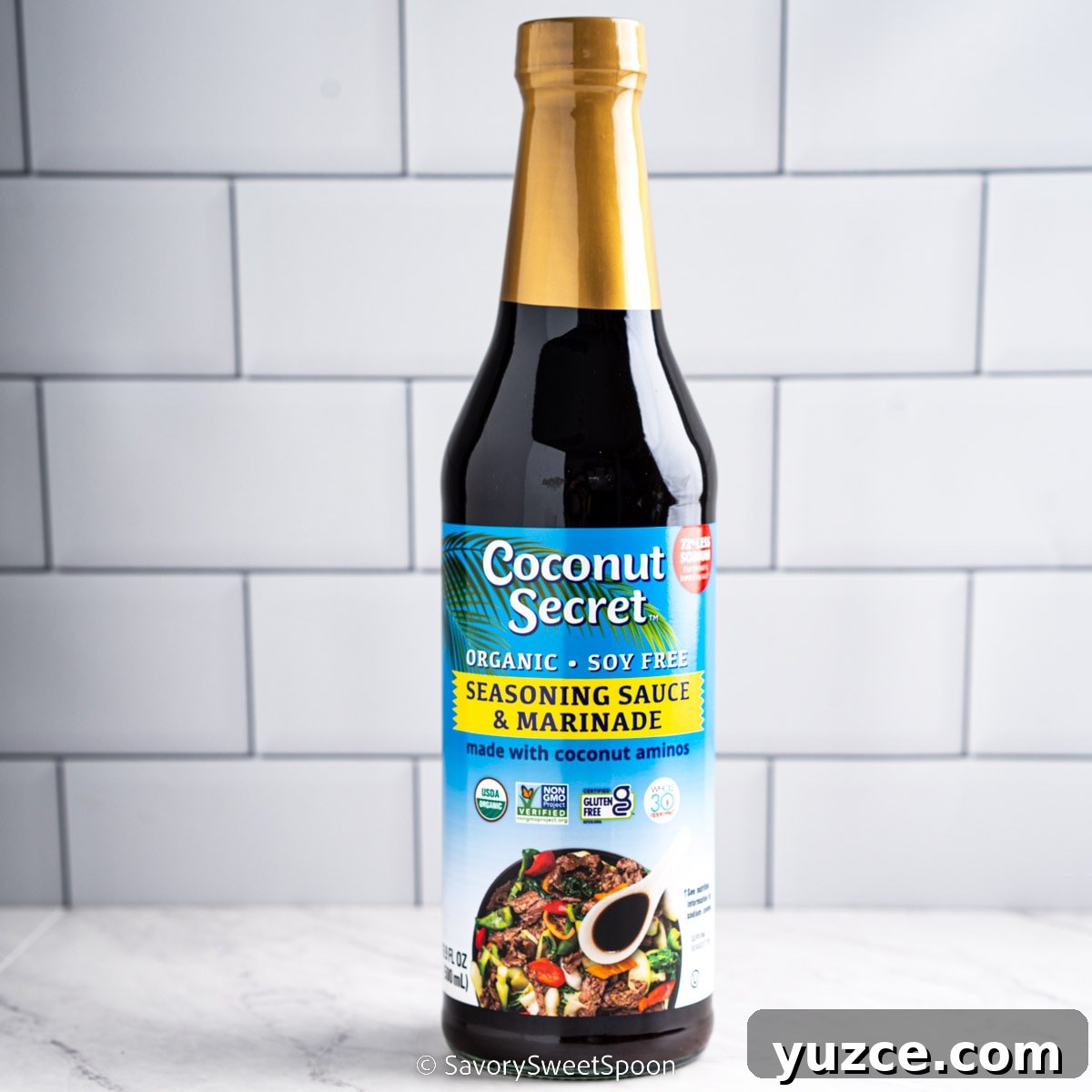
What is Coconut Aminos?
Coconut aminos are a savory, slightly sweet condiment made from the fermented sap of coconut blossoms. They’re commonly used as a soy-free, gluten-free alternative to soy sauce and appear in many Asian-inspired and health-conscious recipes.
The production process involves collecting sap from coconut flowers and fermenting or aging it to develop its deep, umami-rich flavor. The result is a dark, thin liquid with milder saltiness and a hint of natural sweetness compared with traditional soy sauce.
People use coconut aminos in marinades, dressings, stir-fries, dipping sauces, soups, and stews to add depth without wheat or soy. They are widely available at health food shops, specialty grocers, and online retailers.
Best Substitutes for Coconut Aminos
1. Soy Sauce

Soy sauce is a fermented condiment made from soybeans, grains, water, and salt. It delivers a salty, savory umami that closely resembles coconut aminos, though it’s usually saltier and lacks the same sweetness.
How to substitute:
- Start with a 1:1 swap for most recipes, then adjust to taste.
- Because soy sauce is saltier, reduce added salt in the recipe or use slightly less soy sauce and add more if needed.
- If you miss the mild sweetness of coconut aminos, stir in a small amount of honey, maple syrup, or another sweetener to balance flavors.
- To soften the intensity, dilute soy sauce with a little water until you reach the desired profile.
2. Tamari

Tamari is a Japanese style of soy sauce made mainly from fermented soybeans and often contains little or no wheat, making it a common gluten-free choice. Its flavor is rich and slightly stronger than coconut aminos.
How to substitute:
- Use a 1:1 substitution as a starting point.
- Taste and reduce additional salt if needed, since tamari can be saltier.
- For a milder flavor, dilute with a small amount of water to better mimic coconut aminos.
3. Liquid Aminos

Liquid aminos are produced by breaking down soy proteins into amino acids, producing a savory, dark liquid with strong umami notes. They’re often marketed as a gluten-free soy alternative, though they still contain soy.
How to substitute:
- Replace coconut aminos with an equal amount of liquid aminos in most recipes.
- Taste and adjust, since saltiness and intensity vary between brands.
- If the recipe needs a touch of sweetness, add a small amount of honey or maple syrup to approximate coconut aminos’ milder profile.
Note: liquid aminos contain soy, so they’re not suitable for soy-allergic diners.
4. Oyster Sauce
Oyster sauce is a thick, sweet-savory condiment made from oyster extracts, soy sauce, sugar, and seasonings. It provides deep umami and a touch of sweetness but carries a distinct seafood flavor.
How to substitute:
- Use less oyster sauce than the recipe calls for of coconut aminos—start with about half and adjust to taste.
- Because oyster sauce is already sweet, you may not need to add extra sweeteners.
- Use oyster sauce in recipes where a savory, slightly seafood-forward flavor is acceptable, such as stir-fries and some marinades.
- Avoid oyster sauce for vegetarian, vegan, or shellfish-allergic diners.
5. Worcestershire Sauce
Worcestershire sauce is a complex, tangy condiment made from vinegar, molasses, anchovies, tamarind, and spices. It adds sweet-sour-umami depth but differs noticeably from coconut aminos in flavor and aroma.
How to substitute:
- Start with about half the amount and adjust up, since Worcestershire has a robust profile.
- If a recipe needs sweetness, add a little honey or maple syrup to compensate.
- Consider the tangy and fishy notes from anchovies—this may not suit vegetarian or fish-allergic diets.
- Adjust other seasonings to keep the overall balance harmonious.
6. Teriyaki Sauce

Teriyaki sauce combines soy sauce with sweeteners like mirin or sugar, sometimes with ginger or garlic. It’s sweeter and often thicker than coconut aminos, which makes it better suited for glazes and sweet-savory applications.
How to substitute:
- Use less teriyaki than the amount of coconut aminos called for, then taste and adjust.
- Because teriyaki is sweeter, omit additional sweeteners unless needed.
- If the recipe shouldn’t be overly sweet, balance teriyaki with a splash of soy sauce or a little vinegar to add depth.
- Account for added flavors like ginger or garlic when adjusting other seasonings.
Frequently Asked Questions
Coconut aminos are made from fermented coconut sap and are typically lower in sodium and slightly sweeter than soy sauce. Soy sauce is made from fermented soybeans and grains, with a saltier, more assertive savory profile. Coconut aminos are chosen when avoiding soy or gluten, while soy sauce is a traditional pantry staple with a stronger salty flavor.
Good alternatives include tamari (a gluten-free soy sauce option), liquid aminos, or, in some dishes, reduced amounts of Worcestershire, oyster, or teriyaki sauces. Choose based on dietary needs—tamari or liquid aminos for gluten concerns, and oyster or Worcestershire only when seafood or anchovy ingredients are acceptable.
Coconut aminos are typically made from the fermented sap of coconut blossoms blended with salt, producing a dark, savory-sweet seasoning used as a soy-free alternative to soy sauce.
You can in a pinch, but Worcestershire has a distinct tangy, anchovy-forward flavor. Use a smaller amount, add a bit of sweetener if needed, and be mindful of dietary restrictions such as vegetarian or fish allergies.